Male Vs Female Hedgehog: Key Differences and Characteristics
Hedgehogs are fascinating creatures. They are popular as pets due to their unique charm.
Comparing male and female hedgehogs can help potential owners make informed decisions. Understanding the differences between male and female hedgehogs is essential. Each gender has its own set of characteristics and behaviors. Knowing these differences can help you provide better care.
It also helps in creating a suitable environment for them. In this blog post, we will explore the key distinctions. This will guide you in choosing the right hedgehog for your home. Whether you are a new owner or a seasoned enthusiast, this comparison will offer valuable insights. Let’s dive into the unique traits of male and female hedgehogs.
Physical Appearance
Male and female hedgehogs may look similar at first glance. But, on closer inspection, there are some distinct differences. Understanding these differences can help you identify the gender of your hedgehog.
Size And Weight
Male hedgehogs are usually larger than females. They often weigh more. On average, a male can weigh between 500 to 700 grams. Females, on the other hand, typically weigh around 400 to 600 grams.
Here is a simple comparison:
| Gender | Average Weight | Size |
|---|---|---|
| Male | 500-700 grams | Larger |
| Female | 400-600 grams | Smaller |
Fur And Spines
Fur and spines are key features of hedgehogs. Both males and females have spines covering their backs. The spines provide protection from predators.
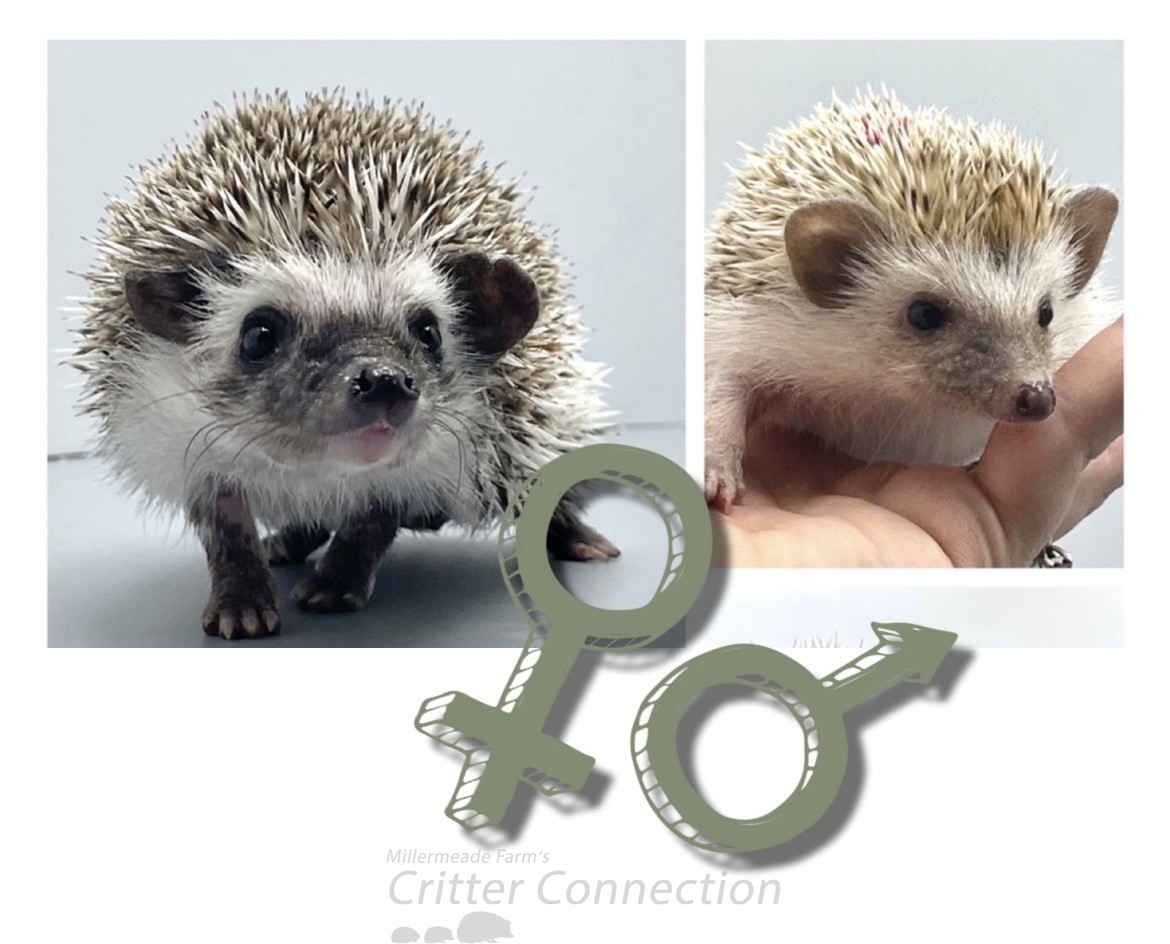
Male hedgehogs usually have thicker spines. Their spines might appear more robust. Female hedgehogs have slightly softer and less dense spines. The fur on their bellies also shows some differences. Males often have thicker fur compared to females.
Here is a breakdown:
- Male: Thicker spines, robust appearance, thicker belly fur.
- Female: Softer spines, less dense, thinner belly fur.
Credit: blog.critterconnection.cc
Behavioral Traits
Hedgehogs, both male and female, exhibit unique behavioral traits. These traits can help differentiate between the genders. Understanding these differences is key for anyone wanting to care for these adorable creatures. Let’s delve into some of these traits.
Activity Levels
Male hedgehogs tend to be more active. They often engage in more exploratory behavior. Males may spend more time running on their wheels. This increased activity can keep them fit and healthy.
Females, on the other hand, are generally less active. They prefer staying in their nests. Female hedgehogs usually engage in less exploratory behavior. This could be due to their natural instincts.
Social Interactions
Male hedgehogs are often more territorial. They may show aggression towards other males. This trait makes it challenging to house multiple males together.
Females are usually more social. They can tolerate other females better. Female hedgehogs may exhibit bonding behaviors. This social trait makes them easier to house in groups.
Both genders can show affection to their owners. Bonding with their human caregivers is common. Regular handling can enhance this bond. Hedgehogs can become friendly and interactive pets.
Reproductive Differences
Understanding the reproductive differences between male and female hedgehogs is fascinating. These tiny creatures have unique mating behaviors and offspring care routines. Let’s explore these differences in detail.
Mating Rituals
Male hedgehogs perform a courtship dance to attract females. They circle the female, making soft noises. The female hedgehog decides if she is ready to mate. If interested, she allows the male to approach. This ritual ensures mutual consent before mating.
Offspring Care
Female hedgehogs take full responsibility for their young. They build nests to keep the babies safe and warm. After giving birth, the mother stays close to her hoglets. She feeds and protects them until they are ready to explore on their own. Males, on the other hand, do not participate in offspring care. Their role ends after mating.
Diet And Nutrition
Understanding the diet and nutrition of hedgehogs is essential for their health. Male and female hedgehogs have similar dietary requirements, but some differences exist. Feeding them the right food ensures they stay healthy and active. Below, we explore their feeding habits and nutritional needs.
Feeding Habits
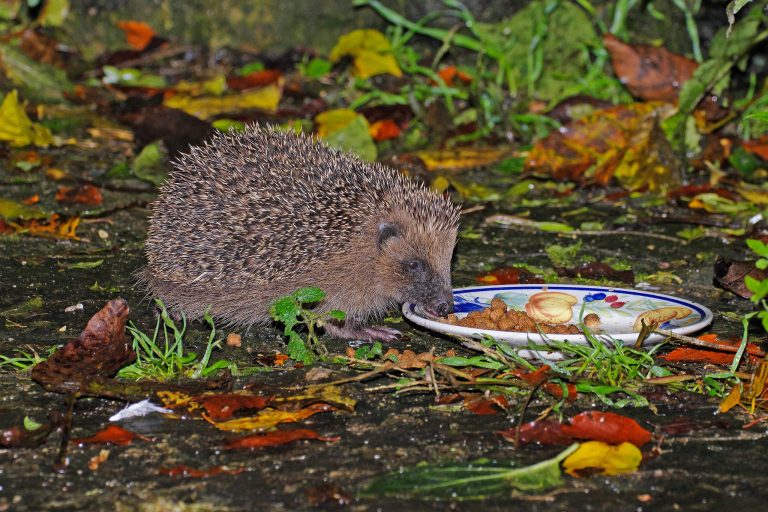
Male and female hedgehogs both enjoy a varied diet. They eat insects, fruits, and vegetables. In the wild, they hunt for beetles, caterpillars, and worms. At home, you can give them high-quality hedgehog food. Fresh water is also important. Hedgehogs are nocturnal and often eat at night. Ensure they have access to food during these hours.
Nutritional Needs
Hedgehogs need a balanced diet to stay healthy. Protein is crucial for their growth and development. Insects like mealworms and crickets provide this protein. Fruits and vegetables offer essential vitamins and minerals. Avoid giving them dairy or high-fat foods. Obesity can be a problem in hedgehogs. Monitor their weight regularly.
Female hedgehogs may need extra nutrients during pregnancy. A vet can recommend the best diet for pregnant females. Both males and females benefit from a mix of wet and dry food. This keeps their teeth clean and provides variety.
Health And Lifespan
When comparing the health and lifespan of male and female hedgehogs, it is important to understand their common ailments and life expectancy. This knowledge helps in providing the best care for your pet hedgehog.
Common Ailments
Male and female hedgehogs can suffer from different health issues. The most common ailments include:
- Respiratory Infections: Both genders are prone to respiratory issues.
- Obesity: Hedgehogs can become overweight if their diet is not managed.
- Dental Problems: Tooth decay and gum disease can affect their overall health.
- Skin Conditions: Mites and fungal infections are common in hedgehogs.
- Cancer: Female hedgehogs are more likely to develop certain types of cancer.
Regular vet visits and a balanced diet can prevent many of these issues.
Life Expectancy
The life expectancy of hedgehogs varies based on several factors. Generally, both male and female hedgehogs have a similar lifespan:
| Gender | Average Lifespan |
|---|---|
| Male | 3-5 years |
| Female | 3-5 years |
With proper care, some hedgehogs can live up to 7 years. Factors that influence lifespan include:
- Diet: A balanced diet is crucial for longevity.
- Environment: A clean, safe habitat reduces stress and disease.
- Exercise: Regular activity keeps hedgehogs healthy.
Providing a healthy lifestyle ensures your hedgehog lives a long, happy life.
Credit: www.hedgehogcentral.com
Habitat Preferences
Hedgehogs exhibit different habitat preferences based on their gender. Understanding these preferences can help in better caring for them. This section will delve into the specifics of their natural habitats and adaptations.
Natural Habitats
Male hedgehogs often explore larger territories. They roam wide areas to find food and mates. Female hedgehogs prefer smaller, secure zones. They focus on creating safe nests for their young. Both genders choose habitats with dense vegetation. This provides protection from predators.
Adaptations
Male hedgehogs adapt to various environments. They are more likely to cross open spaces. This increases their chances of finding new territories. Female hedgehogs adapt to staying hidden. They dig burrows or use dense underbrush. This ensures safety for themselves and their offspring. These adaptations highlight the differences in their survival strategies.
Interaction With Humans
Hedgehogs are fascinating creatures. They have distinct personalities and behaviors. Male and female hedgehogs interact with humans differently. Understanding these differences helps in choosing the right pet.
Pet Suitability
Males are often more social. They enjoy human interaction. Females are more reserved. They may need time to warm up. Males are generally curious. They explore their surroundings eagerly. Females are cautious. They prefer observing before engaging.
Choosing between a male or female depends on your lifestyle. If you want an active pet, a male might be ideal. For a quieter companion, consider a female.
Handling And Care
Males can be more playful. They may enjoy being handled. Females might need gentle handling. They can be sensitive. Both require proper care. Regular check-ups are vital. Clean their cages often. Provide fresh food and water daily. Hedgehogs need a safe environment. Avoid loud noises. Create a calm space for them.
Handling must be gentle. Hedgehogs have delicate spines. Support their body fully. Wash your hands before and after handling. This keeps them healthy. Spending time with your hedgehog builds trust. They will become more comfortable over time.
Conservation Status
Hedgehogs face many threats in the wild. Understanding the conservation status of male and female hedgehogs is crucial. This helps us take the right steps to protect them. Let’s explore the population trends and protective measures for these fascinating creatures.
Population Trends
The population of hedgehogs has been declining. Both male and female hedgehogs are affected. Urbanization and habitat loss are major reasons. Roads and traffic also pose serious threats. Many hedgehogs get hit by cars. Climate change impacts their food sources. This makes it harder for them to survive. Both genders face these challenges equally.
Protective Measures
Efforts are being made to protect hedgehogs. Wildlife organizations are creating safe habitats. These areas are free from traffic and predators. People are also encouraged to make hedgehog-friendly gardens. Simple actions can make a big difference. For example, leaving gaps in fences allows hedgehogs to roam freely. Educating the public about hedgehog safety is also important. Everyone can help save these small creatures.

Credit: www.researchgate.net
Frequently Asked Questions
How Can You Tell A Male From A Female Hedgehog?
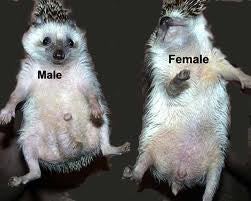
To tell a male from a female hedgehog, check the distance between their genitalia and anus. Males have a greater distance.
Do Male And Female Hedgehogs Behave Differently?
Yes, male hedgehogs tend to be more active and exploratory, while females are generally calmer and more reserved.
Which Is Larger, Male Or Female Hedgehogs?
Female hedgehogs are usually larger than males. They have rounder bodies and can weigh more, especially when pregnant.
Are Male Hedgehogs More Aggressive Than Females?
Male hedgehogs can be more territorial and aggressive, especially during mating season. Females are generally more docile.
Conclusion
Understanding the differences between male and female hedgehogs is important. Each has unique traits and behaviors. Male hedgehogs may be more active. Females tend to be calmer. Both make great pets with proper care. Knowing their needs helps ensure a happy, healthy hedgehog.
Choose wisely based on your lifestyle and preferences. This knowledge can lead to a rewarding pet experience. Happy hedgehog owning!