Why Do Ferrets Shake: Unveiling the Mysterious Behavior
Ferrets often shake, which can puzzle many owners. Why do these small pets tremble?
Ferrets shake for various reasons. It can be normal behavior or a sign of something more serious. After waking up, ferrets often shiver to warm up. Stress or excitement can also cause shaking. However, health issues like low blood sugar or infections might be the reason.
Knowing why your ferret shakes is crucial. It helps you understand their needs and ensure they stay healthy. This guide will explore common causes and what to watch for. Understanding these reasons will help you care for your ferret better. Let’s dive into the details and learn more about this interesting behavior.

Credit: www.ferret-world.com
Introduction To Ferret Behavior
Ferrets are playful, curious, and fascinating pets. Understanding their behavior helps in caring for them better. One common behavior is shaking. This can be a normal part of their daily routine. Let’s dive into ferret behavior to understand why they shake.
Common Ferret Traits
Ferrets are known for their high energy levels and playful nature. They love to explore and can be very curious. Here are some common traits:
- Curiosity: They explore their surroundings constantly.
- Playfulness: Ferrets enjoy playing with toys and other ferrets.
- Sleeping: They sleep up to 18 hours a day.
- Social behavior: Ferrets are social animals and enjoy company.
Unique Ferret Habits
Ferrets have some habits that may seem unique to new owners. These habits are part of their normal behavior:
- Dooking: A happy noise ferrets make when playing or excited.
- War Dance: A playful, often clumsy dance when they are excited.
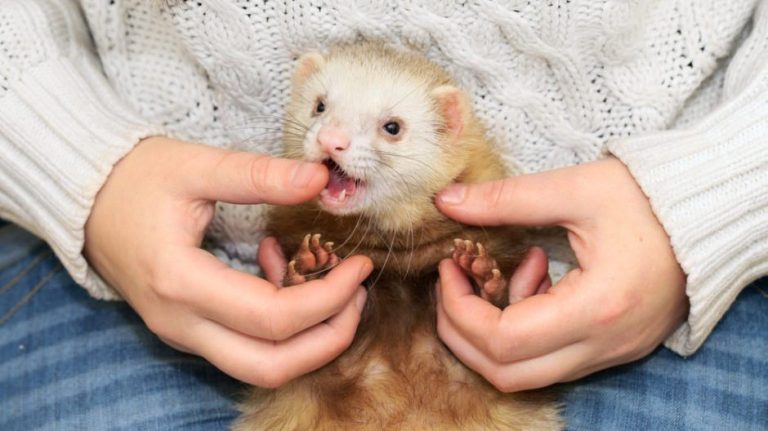
- Shaking: Ferrets often shake after waking up or when they are excited.
- Digging: They love to dig, whether in dirt or in blankets.
Understanding these behaviors helps in providing a better environment for your ferret. Shaking is just one of the many ways they express themselves. Knowing this can help you take better care of your furry friend.

Credit: www.ferret-world.com
Understanding Ferret Shaking
Ferrets often shake due to excitement, cold, or fear. This behavior can also indicate low blood sugar. Understanding these reasons helps in providing better care for these pets.
Ferrets are fascinating pets with unique behaviors. One such behavior is shaking. To many ferret owners, this can be alarming. Understanding why ferrets shake can help you ensure their well-being. Let’s delve into the details.What Is Ferret Shaking?
Ferret shaking refers to the rapid, often rhythmic, movements of a ferret’s body. This may include shivering or trembling. It can occur when they wake up, during play, or even while resting. Sometimes, it is part of their normal behavior. Other times, it may signal a health issue.Signs And Symptoms
Pay attention to the context of the shaking. If your ferret shakes after waking up, it might be normal. They often shake to warm up or to stretch. During play, shaking can indicate excitement. If the shaking is constant or accompanied by other symptoms, it might be a cause for concern. Look for signs like lethargy, loss of appetite, or unusual behavior. These might indicate an underlying health issue. Also, check their environment. Cold temperatures can cause shaking. Ensure their habitat is warm and comfortable. Understanding these signs can help you determine if a vet visit is necessary. Keeping an eye on your ferret’s behavior is key to their health and happiness. “`Natural Causes Of Shaking
Ferrets are known for their playful and energetic nature. Sometimes, ferret owners notice their pets shaking. This can be due to several natural causes. Understanding these reasons can help ensure your ferret’s well-being.
Excitement And Play
Ferrets often shake when they are excited. They love to play and explore their surroundings. During playtime, you may see your ferret shaking, bouncing, or making funny noises. This is a sign of their joy and enthusiasm.
Here are some common signs of excitement in ferrets:
- Shaking their body
- Jumping around
- Making playful noises
- Darting back and forth
These behaviors are natural and show your ferret is happy and active.
Cooling Down
Ferrets may also shake to cool down. They have a high metabolism and can get warm quickly. After playing, they might shake to release excess heat.
Here are some tips to help your ferret cool down:
- Provide a cool, shaded area
- Ensure they have access to fresh water
- Use a fan or air conditioning if needed
By understanding these natural causes, you can better care for your ferret. Keep an eye on their behavior to ensure they are healthy and happy.
Health-related Causes
Ferrets are adorable and playful pets. But sometimes, they shake. This can be worrying for pet owners. Understanding the health-related causes of shaking in ferrets is important. Here we explore some common health issues that might cause this behavior.
Hypoglycemia In Ferrets
Hypoglycemia is a condition where ferrets have low blood sugar. This can make them shake. Ferrets need a steady supply of glucose for energy. If they don’t get enough, their bodies react. Here are some signs of hypoglycemia in ferrets:
- Shaking
- Lethargy
- Weakness
- Seizures
Make sure your ferret eats regularly. High-protein diets can help. If you suspect hypoglycemia, see a vet immediately.
Neurological Issues
Shaking in ferrets can also be a sign of neurological issues. These problems affect the brain and nerves. Here are some potential causes:
| Condition | Symptoms |
|---|---|
| Epilepsy | Seizures, shaking, loss of consciousness |
| Encephalitis | Inflammation of the brain, fever, shaking |
| Brain Tumors | Shaking, changes in behavior, balance issues |
If your ferret shows any of these symptoms, consult a veterinarian. Early diagnosis can help manage these conditions better.
Environmental Factors
Ferrets are fascinating creatures with unique behaviors. One curious behavior is their tendency to shake. Understanding the environmental factors that cause this behavior can help in providing better care for these pets. Let’s explore some of these factors.
Temperature Sensitivity
Ferrets have a high sensitivity to temperature changes. They may shake when they are too cold or too hot. Maintaining a stable temperature in their living environment is crucial. Ferrets thrive best in temperatures between 60-70°F (15-21°C).
A sudden drop in temperature can cause them to shiver. If your ferret is shaking, check the room temperature. Use heaters or air conditioners to keep the environment comfortable for your pet.
Stress And Anxiety
Ferrets can experience stress and anxiety from changes in their surroundings. Moving to a new home or rearranging their cage can trigger shaking. Loud noises and unfamiliar people can also contribute to their anxiety.
To reduce stress, create a calm and stable environment for your ferret. Avoid loud noises and sudden changes. Spend time with your pet to make them feel secure and loved.
Provide hiding spots and cozy bedding where they can retreat and feel safe. This can greatly reduce their stress levels and help prevent shaking.
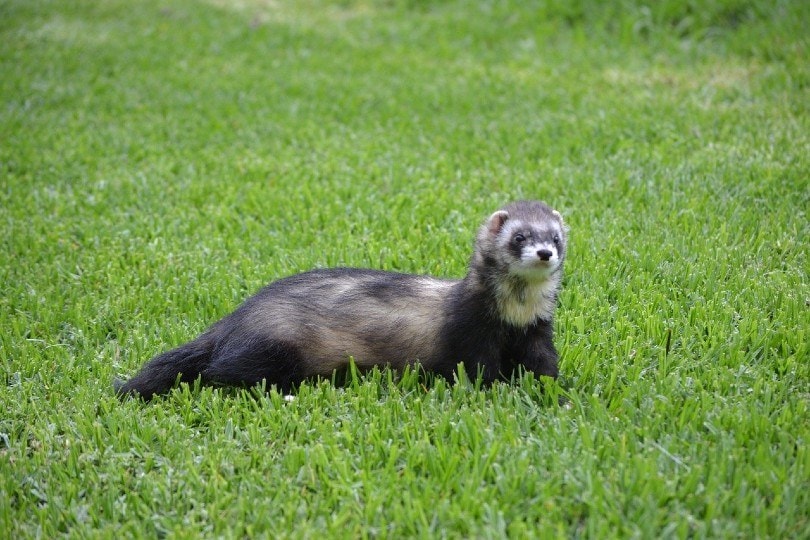
Credit: pangovet.com
Behavioral Observations
Ferrets often shake for various reasons. Understanding these reasons can help you better care for your pet. Observing their behavior gives clues about their health and emotions. Let’s explore some key behavioral observations.
Body Language Signals
Ferrets communicate a lot through their body language. Shaking can be a sign of excitement or stress. Look at their posture and movements to understand their feelings. Here are some common body language signals:
- Excitement: Quick shaking with playful jumps.
- Stress: Slow, trembling shakes with a hunched posture.
- Fear: Shaking with wide eyes and hiding behavior.
Pay close attention to these signals. They can tell you a lot about your ferret’s emotional state.
Interaction With Other Pets
Ferrets often shake during interactions with other pets. This behavior can mean different things depending on the situation:
| Situation | Possible Meaning |
|---|---|
| Playful Shaking | Excitement and readiness to play. |
| Aggressive Shaking | Feeling threatened or territorial. |
| Submissive Shaking | Showing submission to a dominant pet. |
Observe how your ferret shakes in different interactions. This will help you understand their relationship with other pets better.
When To Seek Veterinary Help
Ferrets are known for their playful and energetic behavior. However, there are times when their shaking or trembling might indicate a problem. It’s crucial to know when to seek veterinary help to ensure your ferret’s health and well-being.
Warning Signs
Not all shaking is a cause for concern, but some signs should not be ignored. If your ferret shakes constantly, it could be a sign of illness. Look out for lethargy, lack of appetite, or difficulty breathing. These symptoms may indicate a serious health issue. Shaking accompanied by drooling or vomiting requires immediate attention.
Preventive Measures
Regular check-ups can help detect health issues early. Ensure your ferret’s living environment is clean and safe. Provide a balanced diet to keep their immune system strong. Avoid exposing your ferret to extreme temperatures. Stress can also cause shaking, so maintain a calm and stable environment.
Caring For A Shaking Ferret
Seeing a shaking ferret can be worrying. Ferrets may shake for various reasons. Understanding how to care for them is vital. This ensures their well-being and happiness.
Creating A Safe Environment
A safe environment is crucial for a ferret. Reduce loud noises and sudden movements. These can startle and stress your ferret. Provide a cozy, quiet space for them to retreat. Soft bedding and familiar toys help. This creates a sense of security.
Ensure the temperature is stable. Ferrets are sensitive to extreme cold or heat. Maintain a comfortable room temperature. This helps prevent stress-induced shaking.
Dietary Recommendations
Diet plays a key role in a ferret’s health. Provide high-quality ferret food. It should be rich in protein. Avoid sugary treats and unhealthy snacks. These can cause health issues.
Ensure your ferret stays hydrated. Fresh water should always be available. A balanced diet supports their overall well-being. It can reduce instances of shaking.
Frequently Asked Questions
Why Do Ferrets Shake When They Wake Up?
Ferrets shake when they wake up to stimulate their muscles and increase blood flow. This shaking helps them to fully wake up and become alert. It’s a natural and healthy behavior.
Do Ferrets Shake When They’re Cold?
Yes, ferrets can shake when they’re cold. Shaking helps generate body heat. If you notice frequent shaking, ensure they are warm enough.
Is Shaking A Sign Of Illness In Ferrets?
Shaking can sometimes indicate illness in ferrets. If shaking is accompanied by other symptoms like lethargy or loss of appetite, consult a vet.
Why Do Ferrets Shake After Eating?
Ferrets may shake after eating as part of their digestion process. It helps stimulate their metabolism and keeps their body active.
Conclusion
Ferrets shake for various reasons. Shaking helps regulate their body temperature. Sometimes, they shake due to excitement or nervousness. It’s crucial to monitor any unusual shaking. This could indicate health issues. Consult a vet if concerned. Ferrets are unique pets with specific needs.
Understanding their behavior helps ensure their well-being. Observing them closely promotes a healthy and happy life. Always provide proper care and attention.