Why is My Hamster Scratching?: Uncover the Hidden Causes
Your hamster seems to be scratching more than usual. This can worry any pet owner.
Hamsters are small, active creatures that often scratch themselves. But if your hamster is scratching excessively, it might indicate a problem. Common issues include skin infections, mites, or allergies. Understanding the reasons behind this behavior is important for your pet’s health.
In this blog post, we will explore the possible causes of your hamster’s scratching. We will also provide tips on how to help your furry friend feel better. By knowing what to look for, you can ensure your hamster stays happy and healthy. So, let’s dive into the reasons behind your hamster’s scratching and find solutions together.
Common Reasons For Scratching
Hamsters are adorable pets that bring joy to many households. Yet, their behaviors can sometimes be puzzling. One common issue is scratching. Understanding why your hamster is scratching can help you address the problem effectively. Below are some common reasons for hamster scratching.
Dry Skin
Dry skin is a frequent cause of scratching in hamsters. Hamsters can develop dry skin due to several factors. Low humidity levels in their environment can lead to skin dryness. Also, frequent bathing with water can strip natural oils from their skin.
- Check the humidity level in your hamster’s room.
- Avoid giving water baths; use a sand bath instead.
- Consider adding a humidifier if the air is too dry.
Ensuring a balanced environment helps in maintaining your hamster’s skin health.
Allergies
Allergies can also make your hamster scratch excessively. Common allergens include bedding materials, food, and even cleaning agents. If you notice your hamster scratching, consider these potential allergens.
| Allergen | Possible Solution |
|---|---|
| Bedding | Switch to hypoallergenic bedding. |
| Food | Change to a different brand of hamster food. |
| Cleaning Agents | Use pet-safe cleaning products. |
Identifying and removing allergens can significantly reduce scratching in your hamster.
Parasites And Pests
If your hamster is scratching more than usual, parasites and pests might be the reason. These tiny invaders can cause significant discomfort for your furry friend. Understanding the common pests can help you keep your hamster healthy and happy.
Mites
Mites are microscopic creatures that can infest your hamster’s fur and skin. They are one of the most common pests. Mites can cause severe itching and irritation. You might notice your hamster scratching, biting, or even losing fur. Mites can be hard to see with the naked eye, so a vet visit is often necessary to confirm their presence.
Fleas
Fleas are another common pest that can affect your hamster. These tiny insects can jump from other pets or bedding. Fleas bite and feed on your hamster’s blood, leading to intense itching. You may see your hamster scratching excessively or notice small red spots on its skin. Fleas are visible to the naked eye, making them easier to spot than mites.
Environmental Factors
Hamsters are sensitive creatures. Their scratching behavior can be influenced by various environmental factors. Understanding these factors can help you ensure your pet’s comfort and health. Here we will discuss some key environmental factors that might cause your hamster to scratch excessively.
Bedding Material
The type of bedding material in your hamster’s cage is crucial. Some materials can cause allergic reactions. Wood shavings, especially pine or cedar, can irritate your hamster’s skin. Opt for paper-based bedding. It is soft and hypoallergenic. Regularly changing the bedding also keeps the cage clean and reduces irritants.
Humidity Levels
Humidity levels in the cage environment are important. Too much humidity can cause skin issues. Hamsters thrive in moderate humidity. Use a hygrometer to monitor levels. Keep the cage in a well-ventilated area. Avoid placing it near direct sunlight or damp places. This helps maintain a balanced environment, reducing the chances of scratching.
Dietary Concerns
Dietary concerns can often be a significant cause of your hamster’s scratching. Ensuring that your pet’s diet is balanced and free from allergens is crucial. A poor diet can lead to various skin problems, including itchiness. Let’s look at some dietary issues that may cause your hamster to scratch excessively.
Nutritional Deficiencies
A diet lacking essential nutrients can lead to skin issues. Hamsters need a balanced diet with vitamins and minerals. Without these, their skin can become dry and itchy. Ensure your hamster has a variety of fresh fruits, vegetables, and high-quality pellets. This will help maintain their skin health and reduce scratching.
Food Allergies
Hamsters can be allergic to certain foods. Common allergens include nuts, seeds, and artificial additives. Food allergies can cause your hamster’s skin to itch and become inflamed. If you suspect a food allergy, try an elimination diet. Remove potential allergens one at a time and observe any changes. This can help identify the culprit and alleviate your hamster’s discomfort.
Behavioral Issues
Your hamster’s scratching could be due to behavioral issues. These issues can stem from various causes. Identifying the root of the problem is crucial. Let’s explore two common behavioral reasons for scratching: stress and boredom.
Stress
Stress is a common reason for hamster scratching. Changes in their environment can cause anxiety. Loud noises, new pets, or frequent handling can stress them out. Hamsters are sensitive creatures. A stressed hamster may scratch itself more often. Creating a calm habitat can help reduce stress.
| Causes of Stress | Solutions |
|---|---|
| Loud noises | Keep the cage in a quiet area |
| New pets | Introduce new pets slowly |
| Frequent handling | Handle the hamster gently |
Boredom
Boredom can also lead to scratching behavior. Hamsters need mental and physical stimulation. A bored hamster may scratch out of frustration. Provide toys and activities to keep them engaged. A well-stimulated hamster is a happy hamster.
- Introduce a hamster wheel.
- Provide chew toys.
- Rotate toys regularly.
- Create tunnels with tubes.
- Spend time playing with your hamster.
By addressing these behavioral issues, you can improve your hamster’s well-being. Ensure their environment is stress-free and stimulating. This will help reduce scratching and promote a healthier life for your pet.

Credit: m.facebook.com
Skin Infections
Hamsters are prone to scratching due to various reasons. Skin infections are among the common causes. These infections can make your furry friend feel itchy and uncomfortable. Understanding the types of skin infections can help you better care for your hamster.
Bacterial Infections
Bacterial infections are a frequent cause of itching. Your hamster’s skin may become red and inflamed. You might notice sores or scabs on its body. Staphylococcus bacteria often cause these infections. Clean your hamster’s habitat regularly to prevent bacteria from spreading. Consult a vet if symptoms persist.
Fungal Infections
Fungal infections can also cause your hamster to scratch a lot. Ringworm is a common fungal infection in hamsters. You may see round patches of hair loss. The skin may appear flaky or scaly. Fungi thrive in moist conditions. Keep your hamster’s cage dry and clean. Seek veterinary advice for proper treatment.
Hormonal Imbalances
Is your hamster scratching a lot? It might be due to hormonal imbalances. These imbalances can cause skin problems and itchiness. Let’s explore two main hormonal issues that could be causing your hamster’s discomfort.
Thyroid Problems
The thyroid gland produces hormones that control many body functions. If the thyroid is not working right, it can cause thyroid problems. These issues can lead to skin issues and scratching. Your hamster might have dry, flaky skin or lose fur. These signs are often linked to thyroid problems.
Here are some common signs of thyroid issues in hamsters:
- Dry skin
- Hair loss
- Weight changes
- Lethargy
If you see these signs, a vet can help. They may suggest tests to check the thyroid function. Treatment can improve your hamster’s skin health and reduce scratching.
Adrenal Disorders
The adrenal glands produce hormones that help control stress and other functions. Adrenal disorders can lead to skin problems. Hamsters with adrenal issues might show signs like hair loss and increased scratching.
Common signs of adrenal disorders include:
- Excessive scratching
- Hair loss
- Increased thirst and urination
- Changes in appetite
If you notice these signs, consult a vet. They can run tests to check the adrenal glands. Treatment can help manage the symptoms and make your hamster more comfortable.

Credit: www.reddit.com
Preventive Measures
Keeping your hamster healthy and happy is important. One common issue is scratching. It could be due to a variety of reasons. To prevent this, follow these preventive measures. This ensures your hamster stays itch-free and comfortable.
Regular Cleaning
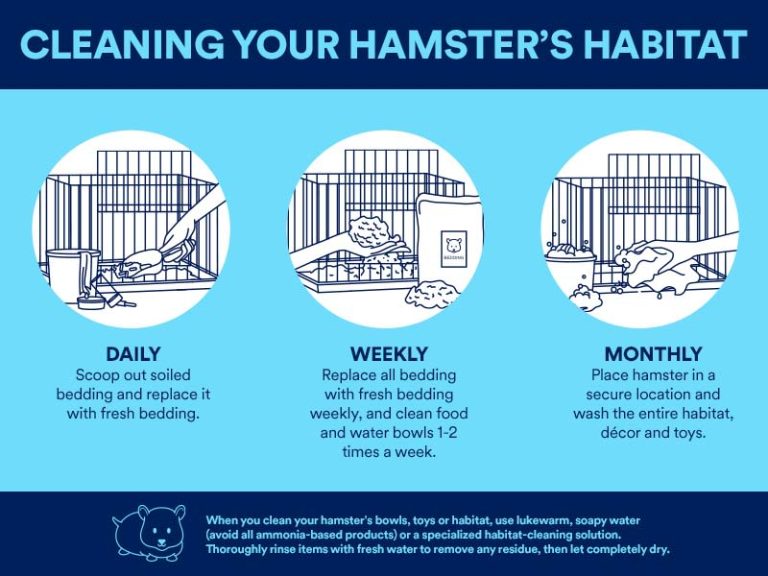
A clean cage is key to your hamster’s well-being. Dirty cages can harbor bacteria and parasites. These can cause itching and skin problems. Clean the cage at least once a week.
- Remove all bedding and replace with fresh material.
- Wash the cage with mild soap and water.
- Ensure the cage is completely dry before adding new bedding.
Regular cleaning reduces the risk of infections. It also keeps your hamster’s environment fresh and pleasant.
Proper Diet
A balanced diet is crucial for your hamster’s health. Nutrient deficiencies can lead to skin issues and scratching. Provide a mix of commercial hamster food and fresh vegetables.
| Food Type | Frequency |
|---|---|
| Pellets | Daily |
| Fresh Vegetables | 2-3 times a week |
| Fruits | Occasionally |
Ensure your hamster has access to clean water at all times. A proper diet strengthens their immune system. It also promotes healthy skin and fur.
Following these preventive measures can significantly reduce scratching. It keeps your hamster healthy and content. Remember, regular cleaning and a proper diet are vital.
Credit: www.reddit.com
Frequently Asked Questions
Why Is My Hamster Scratching A Lot?
Your hamster might be scratching due to dry skin, mites, or allergies. Ensure its bedding is clean and non-irritating. Consult a vet if scratching persists.
How Can I Stop My Hamster’s Itching?
To stop your hamster’s itching, check for mites, clean its cage regularly, and use hypoallergenic bedding. Consult a vet for persistent issues.
Is It Normal For Hamsters To Scratch?
Occasional scratching is normal for hamsters. However, excessive scratching can indicate a problem like mites, allergies, or dry skin. Monitor closely.
Can A Dirty Cage Cause Hamster Scratching?
Yes, a dirty cage can cause hamster scratching due to bacteria and mites. Clean the cage regularly to prevent health issues.
Conclusion
Proper care keeps your hamster happy and healthy. Scratching often indicates a problem. Check for mites, allergies, or dry skin. Clean the cage regularly. Provide a balanced diet. Consult a vet for persistent issues. Your pet’s comfort matters. Pay attention to their needs.
Small changes can make a big difference. A healthy hamster is a happy pet.