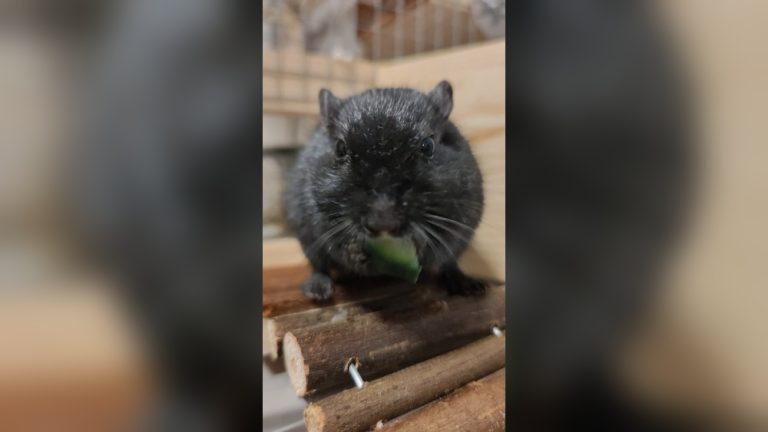
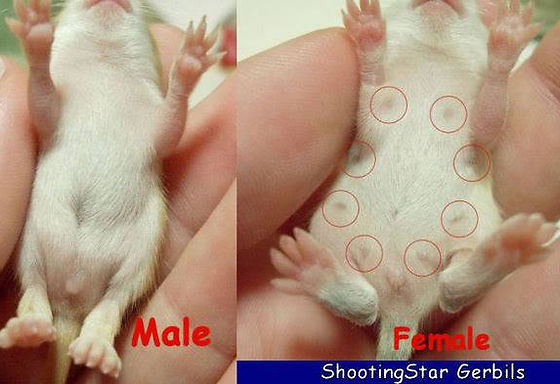
Male Vs Female Gerbil: Key Differences and Care Tips
Gerbils make great pets and are fun to watch. When deciding between a male and a female gerbil, there are some differences to consider.
Understanding these differences helps you make the best choice for your home and lifestyle. Male and female gerbils have unique traits that can influence their behavior and care needs. While both make wonderful companions, knowing what to expect can ensure a better match for your situation.
In this blog, we’ll explore the key differences between male and female gerbils. This will help you make an informed decision and provide the best care for your new furry friend. Stay tuned as we dive into the fascinating world of gerbils and discover what sets males and females apart.
Introduction To Gerbils
Gerbils are small, friendly rodents that make excellent pets. Known for their playful nature and curiosity, they can bring joy to any home. Understanding the differences between male and female gerbils helps in making an informed choice for your new pet.
Overview Of Gerbils
Gerbils belong to the rodent family and are native to desert regions. They are small, often around 4-5 inches in length, not including the tail. Their tails can be as long as their bodies and are covered in fur. Gerbils are social animals and do best in pairs or groups.
These little creatures are highly active and love to dig. In the wild, they create extensive burrow systems. As pets, they enjoy a habitat that allows for digging and exploring. Gerbils are also known for being clean and having less odor compared to other rodents.
Popularity As Pets
Gerbils have gained popularity as pets due to their easy maintenance and friendly nature. They are ideal for families and individuals looking for a small, manageable pet. Gerbils are less prone to biting and are generally more sociable than other rodents like hamsters.
Here are some reasons why gerbils are popular pets:
- Easy to care for
- Low odor
- Sociable and friendly
- Active and playful
Additionally, gerbils have a relatively long lifespan for small rodents, living up to 3-4 years with proper care. This makes them a great choice for those looking for a longer-term pet companion.
Physical Differences
Gerbils are small, friendly rodents that make great pets. Understanding the physical differences between male and female gerbils can help in their care and handling. These differences can be observed in their size, weight, and color variations.
Size And Weight
Male gerbils are generally larger than females. They have a more robust build. Males typically weigh between 80 and 130 grams. Females usually weigh between 70 and 110 grams. This size difference is often noticeable, even at a young age. Males also have broader heads. Their bodies appear more muscular. Females, on the other hand, look slimmer and lighter.
Color Variations
Both male and female gerbils come in various colors. These include agouti, black, white, and many others. There is no significant color difference between the sexes. The variety of colors depends on genetics. Breeders can often predict color outcomes. But both genders can display a wide range of hues. Their fur can be solid, spotted, or banded. This makes each gerbil unique in its appearance.
Behavioral Traits
Understanding the behavioral traits of male and female gerbils can help you provide better care for your pets. Each gender has unique characteristics, and knowing these can improve their living environment and your interactions with them.
Activity Levels
Both male and female gerbils are active and curious animals. They love to dig, run, and explore their surroundings. However, there are some differences in their activity levels.
Male gerbils tend to be more relaxed. They enjoy exploring but also spend a lot of time resting. You might find them lounging around their habitat more often.
In contrast, female gerbils are usually more energetic. They are always on the move, digging tunnels and playing with toys. Females need more stimulation and space to express their high energy levels.
Social Interactions
Gerbils are social creatures and thrive on interaction. Their social behaviors can vary between males and females.
Male gerbils are generally more sociable. They enjoy the company of other gerbils and are often seen grooming and playing with their cage mates. Males form strong bonds and can live peacefully in groups.
Female gerbils, on the other hand, can be more territorial. They may show dominance and might not get along with other females as easily. It’s important to monitor their interactions and provide enough space to avoid conflicts.
Here’s a quick comparison of their social behaviors:
| Behavior | Male Gerbils | Female Gerbils |
|---|---|---|
| Social Nature | More sociable, form strong bonds | More territorial, can be dominant |
| Group Living | Live peacefully in groups | May need monitoring |
Understanding these behavioral traits can help you create a more harmonious environment for your gerbils. Whether male or female, each gerbil has its own unique personality that adds joy to your home.
Health Considerations
Caring for gerbils involves understanding their health needs. Both male and female gerbils have unique health considerations that owners should be aware of. This section covers common health issues and lifespan concerns for these small pets.
Common Health Issues
Gerbils, like other pets, can face various health problems. Male gerbils often experience scent gland tumors. These are growths near the belly. They can be benign or malignant. Watch out for swelling or redness in this area.
Female gerbils are prone to cysts on their ovaries. These can cause discomfort and other health complications. Regular vet check-ups help catch these issues early.
Both males and females can suffer from respiratory infections. Signs include sneezing, discharge, and labored breathing. Dental problems are also common. Overgrown teeth can cause eating difficulties. Ensure they have things to chew on, like wooden toys.
Lifespan
The lifespan of a gerbil depends on many factors. Male gerbils typically live between 3 to 4 years. With good care, some may live longer.
Female gerbils have a similar lifespan, ranging from 2 to 4 years. Diet, environment, and genetics play a role in their longevity.
Providing a balanced diet and a clean habitat can extend their lives. Regular vet visits are also crucial for early detection of health problems.
Breeding And Reproduction
Gerbils are fascinating pets, especially when it comes to breeding and reproduction. Understanding the differences between male and female gerbils in this aspect is crucial for anyone looking to breed these adorable creatures. This section covers key aspects like breeding behavior and caring for offspring.
Breeding Behavior
Male and female gerbils exhibit distinct breeding behaviors. Males are more active and show interest in females by chasing them. They mark territory with scent glands. Females, on the other hand, may become more vocal and aggressive during the breeding period.
Gerbils reach sexual maturity at 9-12 weeks. They can breed throughout the year. The gestation period for a female gerbil lasts about 24 days. After mating, you may observe the male grooming the female, which strengthens their bond.
Caring For Offspring
Once the pups are born, both parents take part in caring for them. Male gerbils help keep the nest warm and clean. They also groom the pups. Female gerbils are responsible for nursing and protecting the young ones.
The newborn gerbils are blind, deaf, and hairless. They rely entirely on their parents. It is crucial to provide a secure and comfortable environment. Ensure the cage is clean and has plenty of nesting material.
Here is a simple table showing the tasks each parent performs:
| Task | Male Gerbil | Female Gerbil |
|---|---|---|
| Keep Nest Warm | ✔️ | ✔️ |
| Groom Pups | ✔️ | ✔️ |
| Nursing | ❌ | ✔️ |
| Protection | ✔️ | ✔️ |
In the first few weeks, monitor the pups closely. Ensure they are growing and healthy. Weaning occurs at around 3-4 weeks of age. At this point, the pups start eating solid food and exploring their surroundings.
By understanding these aspects, you can ensure a successful breeding experience with your gerbils. Proper care and attention will lead to healthy and happy offspring.

Credit: www.reddit.com
Habitat And Environment
Choosing the right habitat and environment is vital for your gerbil’s health and happiness. Both male and female gerbils need similar living conditions. However, understanding the subtle differences can help you create the best setup for your furry friends. Below, we will explore the key aspects of an ideal gerbil habitat and environment.
Ideal Cage Setup
A gerbil’s cage is its home. It should be spacious and comfortable. Choose a cage with solid floors and plenty of ventilation. Wire cages, glass tanks, or plastic habitats all work well. Ensure there is enough space for running and playing. A minimum of 10 gallons per gerbil is recommended.
- Substrate: Use paper-based bedding. Avoid cedar or pine shavings.
- Hiding Places: Provide tunnels, huts, and nesting boxes.
- Toys: Include chew toys and exercise wheels to keep them active.
- Water Bottle: Attach a water bottle with a metal spout to the cage.
| Item | Description |
|---|---|
| Substrate | Paper-based, dust-free bedding |
| Hiding Places | Tunnels, huts, and nesting boxes |
| Toys | Chew toys, exercise wheels |
| Water Bottle | With metal spout |
Temperature And Lighting
Gerbils thrive in temperatures between 60°F and 70°F (15°C and 21°C). Avoid direct sunlight and cold drafts. A stable environment keeps them healthy. Use a thermometer to monitor the temperature. Gerbils do not need special lighting. Natural light is sufficient.
- Temperature: Maintain 60°F – 70°F.
- Lighting: Provide natural light. Avoid direct sunlight.
By understanding these needs, you create a safe and enjoyable home for your gerbils. Both male and female gerbils will appreciate a well-thought-out habitat.
Feeding And Nutrition
Feeding and nutrition are vital for the health of your pet gerbil. Both male and female gerbils have specific dietary needs. These needs ensure they stay healthy and active. Understanding their diet can help you provide the best care.
Dietary Needs
Gerbils need a balanced diet. This includes proteins, fats, and carbohydrates. Male and female gerbils both need these nutrients. But, the amount can vary. Males often need more calories. They tend to be more active. Females, especially if pregnant, need extra nutrients. This supports their health and their babies.
Food Recommendations
High-quality gerbil pellets are a great choice. These pellets provide balanced nutrition. Fresh vegetables are also good. Carrots, lettuce, and broccoli are safe options. Avoid sugary foods. These can cause health issues. Fresh water is essential. Keep it available at all times.
Handling And Bonding
Handling and bonding with gerbils is an essential part of pet ownership. It’s crucial for both male and female gerbils. Knowing the right techniques helps in building trust and ensures a positive relationship. Proper handling and bonding can make your gerbil feel safe and comfortable.
Proper Handling Techniques
Proper handling is key to a happy and healthy gerbil. Both male and female gerbils require gentle and consistent handling. Use slow movements. Avoid sudden actions that may scare them.
To pick up a gerbil, use both hands. Scoop them gently. Support their body properly. Never grab a gerbil by the tail. This can cause serious injury. It’s best to handle them close to the ground. This way, they are less likely to get hurt if they jump.
Spend a few minutes daily handling your gerbil. This helps them get used to your touch. Over time, they will trust you more. Ensure you wash your hands before and after handling. This prevents the spread of germs.
Building Trust
Building trust with your gerbil takes time and patience. Both male and female gerbils have their own personalities. Some may warm up to you quickly. Others may take more time.
Start by offering small treats from your hand. This helps them associate your hand with positive experiences. Sit quietly near their cage. Let them come to you. Speak softly to them. Your voice can be soothing.
Create a safe space for them to explore. Use a playpen or a secure area. This allows them to get used to their surroundings. Gradually, they will feel more comfortable.
Trust-building is a gradual process. Be patient. With time, your gerbil will become a loving and interactive pet.
Common Myths
Many people hold certain beliefs about male and female gerbils. Some of these beliefs are simply myths. Understanding the truth is essential for proper pet care. Let’s dive into these common myths and see what’s fact and what’s fiction.
Myth Busting
One common myth is that male gerbils are more aggressive than females. This is not always true. In reality, both males and females can show aggression. It depends more on their individual personalities and living conditions.
Another myth is that female gerbils are better at bonding with humans. This is also untrue. Both male and female gerbils can form strong bonds with their owners. The key is consistent and gentle handling.
Facts Vs. Fiction
Let’s separate facts from fiction in a clear way:
| Myth | Fact |
|---|---|
| Male gerbils are always aggressive. | Both sexes can be aggressive or gentle. |
| Female gerbils bond better with humans. | Bonding depends on handling, not sex. |
| Male gerbils smell worse. | Both sexes have similar hygiene needs. |
| Female gerbils are better at digging. | Both males and females love to dig. |
Believing in these myths can lead to incorrect care. It’s important to understand your gerbil as an individual. Each gerbil has a unique personality, regardless of sex.
In summary, don’t let myths guide your pet care decisions. Always seek factual information and observe your own pets closely.

Credit: www.reddit.com

Credit: www.reddit.com
Frequently Asked Questions
What Are The Differences Between Male And Female Gerbils?
Male gerbils are generally larger and more laid-back. Female gerbils tend to be more active and territorial.
Which Gerbil Is Easier To Care For?
Both male and female gerbils are relatively easy to care for, but males are often more social and less territorial.
Do Male Gerbils Live Longer Than Females?
Typically, male gerbils may live slightly longer than female gerbils. However, lifespan largely depends on care and genetics.
Are Male Gerbils More Aggressive?
Male gerbils are usually less aggressive than females. Females can be more territorial, especially with other females.
Conclusion
Choosing between a male or female gerbil depends on your needs. Male gerbils are often more social. Female gerbils can be a bit territorial. Both can make great pets with proper care. Consider their behavior and your preferences. Observe their personalities before deciding.
Each gerbil is unique. Understanding these differences helps in making the right choice. Happy pet keeping!