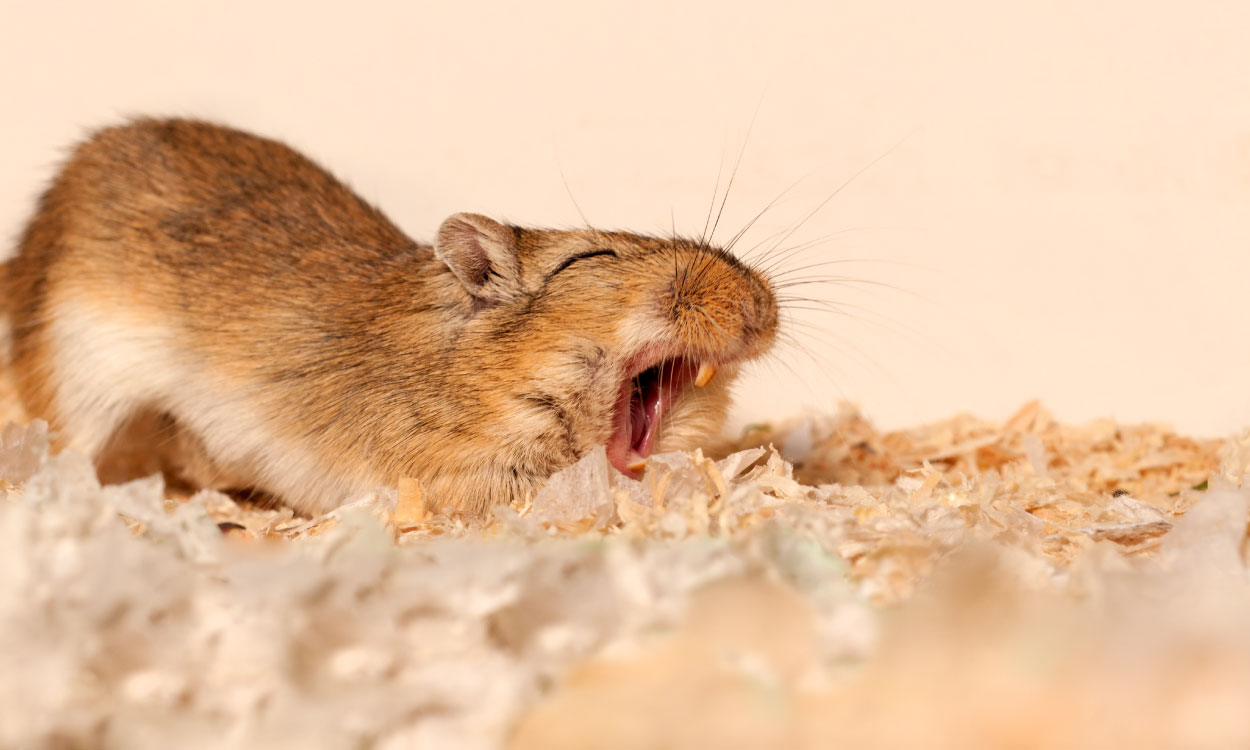
Do Gerbils Hibernate: Unveiling the Truth About Gerbil Behavior
No, gerbils do not hibernate. Unlike some other small animals, gerbils stay active year-round.
Gerbils are fascinating creatures often kept as pets. Their behavior is intriguing to many owners. You might wonder if they hibernate like some rodents. In this blog post, we will explore gerbil behavior during colder months. Understanding their needs can help ensure they stay healthy and happy.
We’ll discuss how gerbils adapt to changes in temperature and their natural instincts. Stay with us to learn more about your furry friend’s habits and how to care for them throughout the year. This information is essential for all gerbil owners.
Gerbil Basics
Gerbils are small, burrowing rodents often found in pet stores. Understanding their basic needs and behaviors can help keep them healthy. Let’s dive into some essential gerbil basics.
Natural Habitat
Gerbils originate from dry, desert-like regions. They are native to places like Mongolia and Northern China. These areas have extreme temperatures, from hot days to cold nights. Gerbils have adapted well to these harsh conditions. They live in burrows to stay cool and safe from predators.
Behavioral Traits
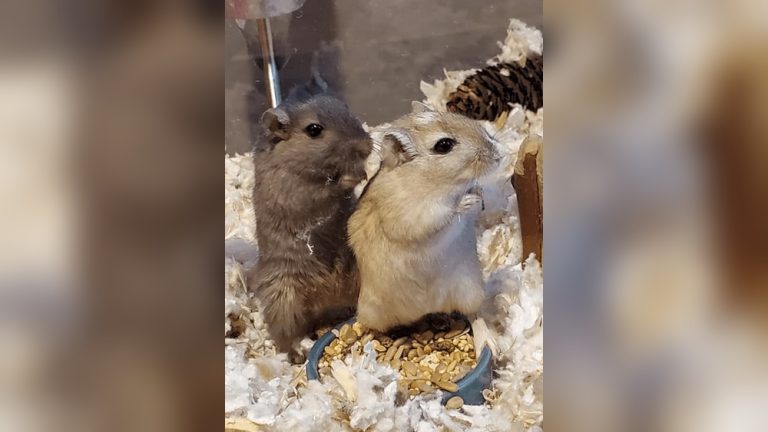
Gerbils are social creatures and thrive in pairs or small groups. They are most active during dawn and dusk, a behavior called crepuscular. This means they avoid the heat of the day and the cold of the night. In the wild, they spend a lot of time digging and foraging. They create complex tunnels and chambers in their burrows. These tunnels provide safety and a place to store food.
In captivity, gerbils still show their natural behaviors. They need plenty of bedding to dig and create burrows. They also enjoy running on wheels and playing with toys. Providing these activities keeps them happy and healthy.

Credit: www.pinterest.com
Hibernation Myths
Many pet owners wonder if their gerbils hibernate. There are many myths about gerbil hibernation. These myths can confuse and mislead people. Let’s explore these myths and understand the truth.
Common Misconceptions
There are several common misconceptions about gerbil hibernation:
- Gerbils hibernate during winter: Many believe gerbils sleep all winter. This is not true.
- Cold temperatures cause hibernation: Some think that cold weather makes gerbils hibernate. Gerbils do not hibernate, even in cold.
- Low activity means hibernation: If a gerbil is less active, it does not mean it is hibernating. It may be sick or stressed.
Origins Of The Myths
These myths have origins based on misunderstandings:
- Comparing to other rodents: Some rodents hibernate, like hamsters. People assume gerbils do the same.
- Confusing torpor with hibernation: Torpor is a short-term state of reduced activity. It is not the same as hibernation.
- Mistaking signs of illness: A lethargic gerbil might be ill, not hibernating. People often mistake these signs.
Understanding these myths helps in caring for your pet gerbil properly. Always ensure your gerbil’s environment is warm and safe.
Gerbil Torpor Vs. Hibernation
Gerbil owners often wonder if their pets hibernate. Understanding the difference between torpor and hibernation is key. Gerbils do not hibernate, but they can enter a state of torpor. Let’s dive into what makes these two states different.
Defining Torpor
Torpor is a short-term state. It helps gerbils survive cold or food shortages. During torpor, a gerbil’s body temperature drops. Their metabolism slows down. They appear lethargic and move less.
Key Differences
There are several key differences between torpor and hibernation:
| Aspect | Torpor | Hibernation |
|---|---|---|
| Duration | Short-term, hours to days | Long-term, weeks to months |
| Body Temperature | Drops slightly | Drops significantly |
| Metabolism | Slows down | Drastically slows down |
| Behavior | Lethargic, less active | Deep sleep-like state |
Understanding these differences helps in providing the best care for your pet gerbil. Torpor is a survival mechanism for short periods. Hibernation involves deep, long-term sleep.

Credit: www.sciencedirect.com
Environmental Influences
Environmental factors significantly affect gerbil behavior. These small rodents respond to changes in their surroundings. Understanding these influences helps in providing proper care. Let’s explore how climate and seasonal changes impact gerbils.
Climate Impact
Climate plays a vital role in gerbil behavior. They thrive in arid environments. In the wild, gerbils inhabit deserts and dry regions. These areas have extreme temperatures. Gerbils adapt by burrowing underground. This helps them avoid harsh surface conditions.
In captivity, maintaining a stable climate is crucial. Fluctuating temperatures can stress gerbils. Ensure their habitat mimics natural conditions. A consistent environment keeps them healthy and active.
Seasonal Changes
Seasonal changes influence gerbil activity. In winter, gerbils may become less active. They do not hibernate like some animals. Instead, they slow down and conserve energy. Providing extra bedding helps them stay warm.
During summer, gerbils might be more active. Ensure their habitat remains cool. Overheating can harm them. Fresh water and proper ventilation are essential. Seasonal adjustments in their care can enhance their wellbeing.
Health And Behavior
Understanding the health and behavior of gerbils is essential for their well-being. Gerbils do not hibernate, but their activity levels can change. Recognizing signs of illness and behavioral changes can help you ensure they stay healthy.
Signs Of Illness
Gerbils are small and delicate creatures. They can get sick quickly. Knowing the signs of illness can save their lives.
- Loss of appetite
- Weight loss
- Labored breathing
- Discharge from eyes or nose
- Diarrhea
If you notice any of these signs, consult a vet immediately. Early detection is crucial for treatment.
Behavioral Changes
Gerbils are usually active and curious. Changes in behavior can indicate health issues.
| Normal Behavior | Abnormal Behavior |
|---|---|
| Active and playful | Lethargic and inactive |
| Curious and exploring | Hiding and avoiding contact |
| Social with other gerbils | Aggressive or withdrawn |
If your gerbil shows abnormal behavior, observe closely. Sometimes, changes in the environment can affect them. Ensure their habitat is clean and stress-free.
Keep a close watch on their behavior and consult a vet if necessary. Healthy gerbils are happy gerbils.

Credit: www.pinterest.com
Care Tips
Gerbils are fascinating pets and require proper care to stay healthy. Understanding their needs ensures they live a happy life. This section covers essential care tips for your gerbil.
Proper Housing
Gerbils need a spacious cage with good ventilation. A glass tank with a wire mesh lid works best. The cage should be escape-proof and easy to clean. Provide at least 10 gallons of space per gerbil. Use a solid base, not wire, to protect their feet.
Include deep bedding for burrowing. Aspen shavings, paper-based bedding, or hay are good choices. Avoid cedar or pine shavings. These can harm gerbils. Add tunnels, wheels, and toys to keep them active. Change bedding weekly to maintain cleanliness.
Diet And Nutrition
Feed gerbils a balanced diet. Offer commercial gerbil food as the main diet. This ensures they get essential nutrients. Supplement with small amounts of fresh vegetables and fruits. Carrots, apples, and broccoli work well. Avoid citrus fruits and high-water content veggies.
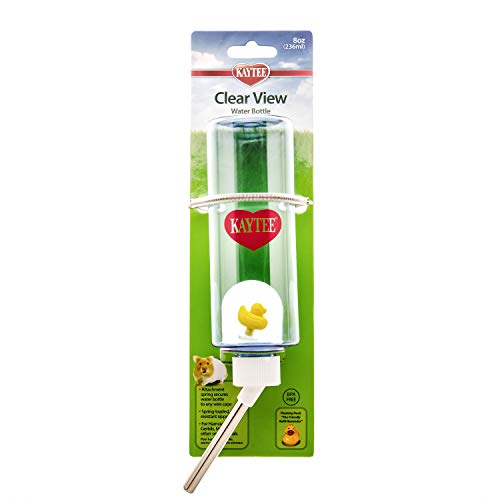
Provide fresh water daily. Use a water bottle with a sipper tube. Clean it regularly to prevent bacteria growth. Avoid giving sugary treats and human foods. These can cause health issues. A healthy diet keeps your gerbil energetic and happy.
Gerbil Activity Patterns
Gerbils are fascinating creatures with unique activity patterns. Their behavior can change based on the time of day and their natural instincts. Understanding these patterns can help you provide a better environment for your pet gerbil.
Daily Routines
Gerbils are active both during the day and night. They do not follow a strict diurnal or nocturnal schedule. Instead, they have bursts of activity followed by rest periods. This unique behavior is known as being crepuscular.
During their active periods, gerbils engage in various activities:
- Exploring their habitat
- Digging and burrowing
- Eating and drinking
- Playing with toys
It is essential to provide a stimulating environment. This includes tunnels, wheels, and chew toys to keep them entertained.
Sleep Cycles
Gerbils do not have a single long sleep period like humans. Instead, they take multiple short naps throughout the day and night. This polyphasic sleep pattern allows them to be alert and active when needed.
Here is a typical gerbil sleep cycle:
| Time | Activity |
|---|---|
| Morning | Active |
| Late Morning | Resting |
| Afternoon | Active |
| Evening | Resting |
| Night | Active |
| Late Night | Resting |
Providing a quiet and comfortable sleeping area is crucial. This helps ensure your gerbil gets adequate rest.
Understanding gerbil activity patterns and sleep cycles can enhance your pet’s well-being. It also helps create a harmonious living environment for your furry friend.
Faqs On Gerbil Behavior
Gerbil owners often have many questions about their pets’ behavior. Understanding your gerbil’s habits can help you care for them better. Below, we will explore some common questions and expert answers about gerbil behavior.
Common Questions
- Do gerbils hibernate?
- Why do gerbils dig?
- Is it normal for gerbils to chew on everything?
Expert Answers
Do gerbils hibernate?
No, gerbils do not hibernate. They remain active throughout the year. If your gerbil appears inactive, it may be due to illness or stress. Always ensure they have a warm environment and check for any health issues.
Why do gerbils dig?
Digging is a natural behavior for gerbils. In the wild, they dig to create tunnels and burrows. This behavior helps them feel safe. Provide deep bedding in their cage to allow them to dig.
Is it normal for gerbils to chew on everything?
Yes, gerbils chew to keep their teeth healthy. Their teeth grow continuously, so chewing helps to wear them down. Give them safe items to chew, like untreated wood and cardboard.
| Behavior | Explanation |
|---|---|
| Digging | Natural instinct to create burrows |
| Chewing | Maintains dental health |
| Inactivity | Could indicate illness or stress |
Frequently Asked Questions
Do Gerbils Hibernate In Winter?
No, gerbils do not hibernate in winter. They remain active throughout the year. Instead, they may become less active and conserve energy during colder months.
How Do Gerbils Stay Warm?
Gerbils stay warm by nesting together and burrowing. They also use bedding materials like hay and shredded paper to create warm nests.
What Do Gerbils Do In Cold Weather?
In cold weather, gerbils may become less active. They conserve energy and use warm bedding materials to stay comfortable.
Are Gerbils Affected By Cold Temperatures?
Yes, gerbils can be affected by cold temperatures. It’s important to keep their living environment warm, ideally between 65-75°F (18-24°C).
Conclusion
Gerbils do not hibernate. They stay active all year round. Ensure they have a warm, safe environment. Proper care keeps them healthy and happy. Watch for signs of illness or distress. Understanding gerbil behavior helps you care for them better.
These small pets bring joy to many homes. Enjoy your time with these lively creatures.