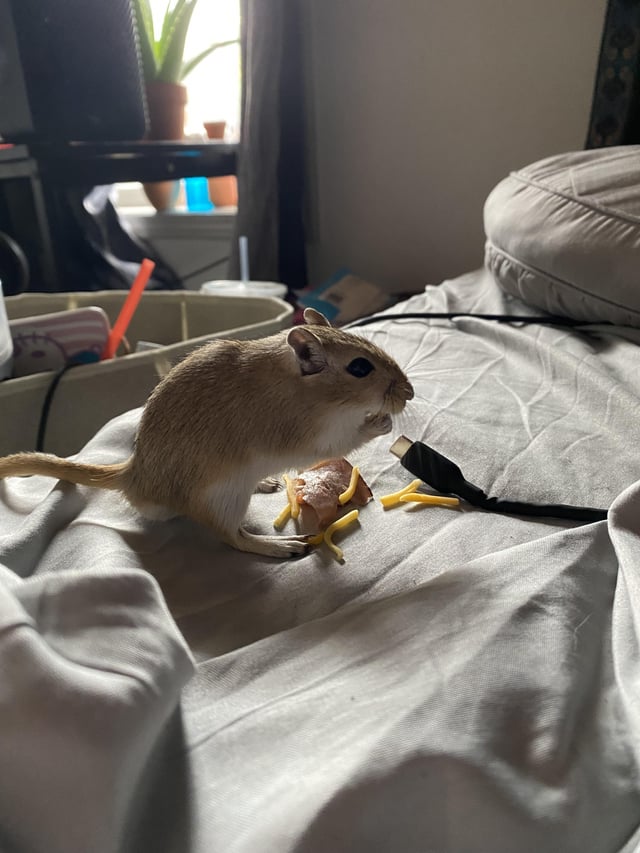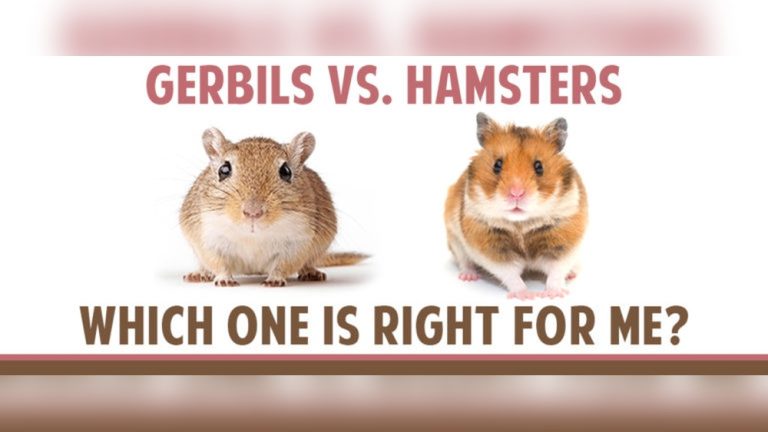
Can Gerbils And Hamsters Live Together: The Ultimate Guide
No, gerbils and hamsters cannot live together. They have different habits and needs.
Gerbils and hamsters are both popular small pets. Each species has unique behaviors and housing requirements. Mixing them in the same cage can lead to stress and aggression. Gerbils are social and prefer living in pairs. Hamsters are territorial and often do best alone.
Understanding their differences is crucial for their well-being. This blog will explore why keeping them together is not advisable. You’ll learn about their distinct needs and how to provide the best environment for each. Stay tuned to ensure your pets are happy and healthy.
Introduction To Gerbils And Hamsters
Gerbils and hamsters are popular small pets. They are cute and easy to care for. Many pet owners wonder if these two can live together. Before deciding, it is important to understand their differences and behaviors.
Basic Differences
Gerbils and hamsters have different physical traits and needs. Here is a simple table to compare them:
| Trait | Gerbils | Hamsters |
|---|---|---|
| Size | 4-5 inches | 3-4 inches |
| Tail | Long, furry | Short, stubby |
| Active Time | Day | Night |
| Social Needs | Enjoy company | Prefer solitude |
Behavioral Traits
Gerbils are friendly and social animals. They like to live in pairs or groups. They are active during the day and enjoy digging and burrowing. They are less prone to biting and more interactive with humans.
Hamsters are more solitary. They prefer to live alone and can become aggressive if housed with others. They are nocturnal, meaning they are awake at night. They can be more territorial and may bite if threatened.
Understanding these differences can help you decide the best living arrangement for your pets. Mixing gerbils and hamsters may not be ideal. Each has unique needs and behaviors that may not align well together.

Credit: www.littlegrabbies.com
Natural Habitats
Understanding the natural habitats of gerbils and hamsters helps to determine their compatibility. Both species have distinct needs and behaviors shaped by their environments. Knowing these differences is essential for their well-being.
Gerbil Environments
Gerbils come from arid regions. They are native to deserts and dry grasslands. These environments have sparse vegetation and little water. Gerbils are burrowers. They dig complex tunnels to stay cool. Their burrows protect them from predators and extreme weather.
In captivity, gerbils need space to dig. They need deep bedding to create tunnels. Sand baths help keep their fur clean. Gerbils also enjoy climbing and exploring. Providing toys and tunnels keeps them active and happy.
Hamster Environments
Hamsters are from diverse regions. Some species live in deserts, others in fields and forests. They are solitary and territorial by nature. Hamsters also dig burrows for safety and comfort.
In captivity, hamsters need their own space. They prefer smaller, enclosed areas. Deep bedding is essential for their burrowing instincts. Hamsters also enjoy running wheels. This helps them stay active and healthy.
Understanding these environments highlights why gerbils and hamsters have different needs. Their natural habitats shape their behavior and care requirements.
Diet And Nutrition
Understanding the diet and nutrition needs of gerbils and hamsters is essential. Both small pets have unique dietary requirements. Feeding them the wrong foods can harm their health. Let’s explore the specific needs of each.
Gerbil Dietary Needs
Gerbils need a diet rich in grains, seeds, and vegetables. They thrive on a mix of fresh and dry foods. A balanced diet includes:
- Grains: oats, wheat, and barley
- Seeds: sunflower seeds (in moderation), pumpkin seeds
- Vegetables: carrots, broccoli, and lettuce
Fresh water should always be available. Treats like fruits can be given sparingly. Avoid sugary and fatty foods as they can cause health issues. Gerbils also need a source of protein. Small amounts of cooked chicken or boiled egg work well. A balanced diet ensures a healthy gerbil.
Hamster Dietary Needs
Hamsters have slightly different nutritional requirements. Their diet should include grains, vegetables, and protein sources. Key components of their diet are:
- Grains: corn, wheat, and millet
- Vegetables: cucumber, zucchini, and spinach
- Fruits: apples, pears, and berries (in moderation)
- Protein: mealworms, boiled egg, and chicken
Hamsters also need constant access to fresh water. Avoid citrus fruits as they can upset their stomachs. A mix of commercial hamster food and fresh foods works best. Ensuring a varied diet keeps hamsters healthy and happy.
It’s crucial to know that gerbils and hamsters have different dietary needs. Feeding them the same diet can lead to nutritional imbalances. Always provide species-specific food to maintain their health.
Social Behaviors
Understanding the social behaviors of gerbils and hamsters is essential. Their social needs and structures differ significantly. This difference can affect their ability to live together. Let’s delve into their social structures to understand better.
Gerbil Social Structure
Gerbils are very social animals. They live in groups in the wild. A typical gerbil group includes a dominant male and female. Other members are usually their offspring.
Gerbils show strong social bonds. They groom each other and sleep in piles. They also communicate through scent marking and vocalizations. This behavior helps them maintain their social hierarchy.
Living in groups is crucial for gerbils. Isolation can cause stress and health problems. Therefore, gerbils thrive best when they have company.
Hamster Social Structure
Hamsters are solitary creatures. Unlike gerbils, they prefer living alone. In the wild, they live in separate burrows and come together only for mating.
Hamsters can be territorial. They may fight if kept together in a small space. These fights can be severe and lead to injuries or even death.
Each hamster needs its own space. They do not form the same social bonds as gerbils. Keeping hamsters alone prevents stress and aggression.
| Attribute | Gerbils | Hamsters |
|---|---|---|
| Social Nature | Highly Social | Solitary |
| Living Preference | Groups | Alone |
| Communication | Grooming, Scent Marking, Vocalizations | Minimal |
| Territorial | No | Yes |
Understanding these differences is key. It helps in deciding their living arrangements. Ensuring the well-being of both species is paramount.
Housing Requirements
Understanding the housing requirements for gerbils and hamsters is crucial. Both species have specific needs for their living spaces. The right environment ensures their health and happiness. Let’s explore the ideal cages for each.
Gerbil Cages
Gerbils are active and social creatures. They need plenty of space to dig and explore. A suitable gerbil cage should be at least 20 gallons for two gerbils. A glass tank is often recommended to prevent escapes and chewing.
Gerbils love to burrow. Provide a deep layer of bedding, around 6 inches. Include materials like aspen or paper-based substrate. Avoid cedar or pine shavings. They can be harmful to your pets.
Ensure the cage has a secure lid. Gerbils are known for their climbing abilities. Ventilation is also important. A wire mesh lid allows air circulation while keeping them safe.
Here’s a quick checklist for a gerbil cage:
- Minimum 20-gallon tank
- Deep bedding (6 inches)
- Secure, ventilated lid
- Toys and tunnels for enrichment
Hamster Cages
Hamsters have different housing needs compared to gerbils. They prefer a spacious environment with plenty of hiding spots. A cage with a minimum floor space of 450 square inches is recommended.
Wire cages with a plastic base are popular. Ensure the bars are close together to prevent escapes. Syrian hamsters require more space, while dwarf hamsters can thrive in slightly smaller enclosures.
Provide a wheel for exercise. The wheel should be solid, not wire, to avoid injuries. Include plenty of bedding, around 2-3 inches deep. Hamsters also enjoy nesting materials like shredded paper.
Here’s a quick checklist for a hamster cage:
- Minimum 450 square inches of floor space
- Close-barred wire cage
- Solid exercise wheel
- 2-3 inches of bedding
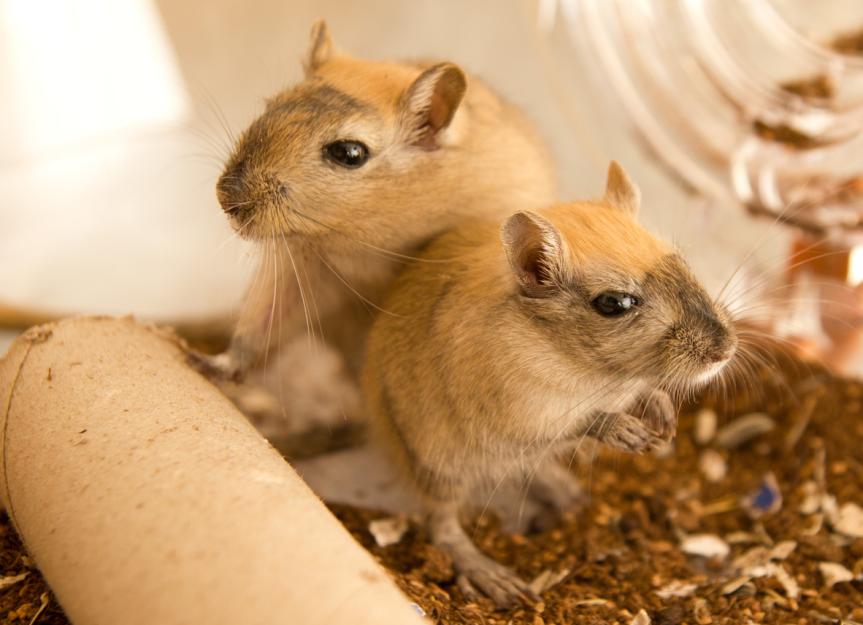
Credit: www.petmd.com
Potential Risks Of Co-habitation
Housing gerbils and hamsters together may seem convenient. But it comes with potential risks. Understanding these risks helps in making an informed decision. Below, we explore two major concerns.
Aggression Issues
Gerbils and hamsters have different temperaments. Gerbils are social and enjoy company. Hamsters prefer solitude. Co-habitation can lead to fights. These animals have different ways of communicating. Misunderstandings often turn into aggression.
Fights can result in injuries. Gerbils are active during the day. Hamsters are nocturnal. Their differing schedules can cause stress. This stress can escalate aggression. It’s risky to house them together for this reason alone.
Health Concerns
Gerbils and hamsters have different health needs. They can carry diseases unique to their species. Sharing a living space increases the risk of disease transmission. This can lead to serious health issues.
Each species needs a specific diet. Improper diets can cause health problems. Mixing food can confuse pet owners. This confusion can lead to nutritional deficiencies. Maintaining separate habitats ensures each pet stays healthy.
Expert Opinions
Considering if gerbils and hamsters can live together? Experts have varied views. It’s crucial to understand the insights from both veterinarians and experienced pet owners. Their knowledge helps make an informed decision for your pets.
Veterinarian Advice
Veterinarians often caution against housing gerbils and hamsters together. Their primary reasons include:
- Different Species Needs: Gerbils and hamsters have different dietary and environmental needs.
- Aggressive Behavior: Both species can be territorial and aggressive.
- Health Risks: Disease transmission between the two can be a concern.
Dr. Smith, a renowned vet, emphasizes, “Gerbils and hamsters should live separately to ensure their well-being.”
Experienced Pet Owners
Pet owners with experience often share their stories and tips. Many have encountered challenges such as:
- Fighting: Conflicts between the two species are common.
- Space Issues: Both need ample space to thrive.
- Different Activity Levels: Hamsters are nocturnal, while gerbils are more active during the day.
Jane Doe, an avid pet owner, states, “I tried housing my gerbil and hamster together, but it didn’t work out. They were always fighting.”
In essence, the consensus among experts and experienced pet owners leans towards keeping gerbils and hamsters in separate enclosures.
Alternatives To Co-habitation
While gerbils and hamsters might look similar, they have different needs. Placing them in the same cage can cause stress and fights. Luckily, there are other ways to keep them happy and safe without co-habitation.
Separate Cages
Keeping gerbils and hamsters in separate cages ensures their well-being. Each species requires different space, bedding, and toys. A gerbil’s cage should have plenty of tunnels and digging areas. On the other hand, a hamster’s cage needs exercise wheels and hideouts.
Here’s a quick comparison:
| Gerbil Cage | Hamster Cage |
|---|---|
| More tunnels | Exercise wheel |
| Digging areas | Hideouts |
| High walls | Soft bedding |
Shared Playtime
Although they can’t live together, they can share playtime. Supervised playtime in a neutral area can offer social interaction. Ensure the play area is safe and escape-proof. Use toys that are suitable for both species. Rotate toys to keep them engaged and happy.
Follow these steps for successful shared playtime:
- Choose a neutral play area.
- Ensure the area is escape-proof.
- Supervise their interaction at all times.
- Use toys both can enjoy.
- Rotate toys to maintain interest.
Shared playtime helps them stay active and reduces boredom. Both pets benefit from safe social interactions.
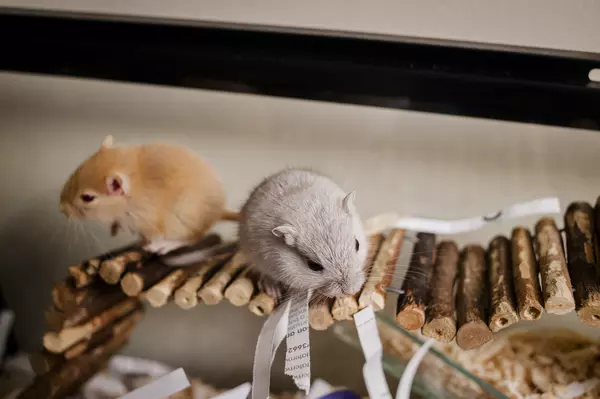
Credit: www.bluecross.org.uk
Frequently Asked Questions
Can Gerbils And Hamsters Share A Cage?
No, gerbils and hamsters should not share a cage. They have different social behaviors and territorial needs. This can lead to stress and aggression.
Do Gerbils And Hamsters Get Along?
Gerbils and hamsters do not get along. They have different temperaments and social structures. Keeping them together can cause fights and injuries.
What Happens If Gerbils And Hamsters Live Together?
If gerbils and hamsters live together, they may fight. This can result in serious injuries or even death. It’s best to house them separately.
Are Gerbils Or Hamsters More Social?
Gerbils are more social than hamsters. Gerbils enjoy the company of other gerbils, while hamsters prefer to live alone.
Conclusion
Gerbils and hamsters have different needs and behaviors. Housing them together isn’t ideal. They may fight or stress each other out. Separate homes keep them safe and happy. Observe their individual habits closely. Provide suitable environments for each pet. This ensures their well-being and longevity.
Always prioritize their comfort and health. By doing so, you create a peaceful life for both.