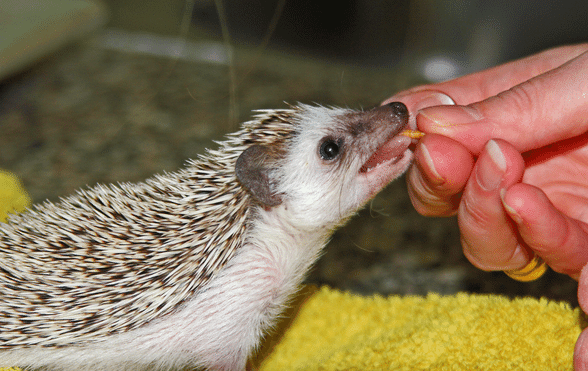

Why is My Hedgehog Shaking? Uncover the Causes and Solutions
A shaking hedgehog can be concerning. Why does it happen?
Let’s find out. Hedgehogs are adorable pets. But sometimes, they shake, and it worries their owners. Shaking can indicate several things. It might be a sign of stress or fear. Other times, it could be a health issue. Understanding the cause is essential.
Knowing why your hedgehog shakes helps you care for it better. This blog will explore the possible reasons. We will also discuss how to address each one. By the end, you’ll know what to do if your hedgehog shakes. Read on to learn more about this common concern.
Common Causes Of Shaking
Hedgehogs are small, delicate creatures. Their behavior can tell you a lot about their health and well-being. Shaking is one of those behaviors. It can be a sign of several underlying issues. Understanding these causes helps ensure your hedgehog stays happy and healthy.
Stress And Anxiety
Stress is a common cause of shaking in hedgehogs. These little animals are sensitive and can easily get stressed. Loud noises, unfamiliar environments, and even new people can cause anxiety.
Signs of Stress:
- Pacing back and forth
- Hiding more than usual
- Loss of appetite
To reduce stress, try to keep their environment calm. Avoid sudden changes and loud noises. Spend time with your hedgehog to make them feel secure.
Temperature Changes
Hedgehogs are sensitive to temperature changes. Their ideal temperature range is between 72-80°F (22-27°C). If the temperature drops too low, they might start shaking. This is their body’s way of generating heat.
Signs of Temperature Issues:
- Shivering
- Becoming lethargic
- Cold to the touch
Ensure their habitat stays within the ideal temperature range. Use a thermometer to monitor the temperature. If necessary, use a heating pad to keep them warm.
Health Issues
Health issues can be a major concern if your hedgehog is shaking. It is important to identify the root cause of the shaking to provide the necessary care. Below, we explore some potential health-related reasons for this behavior.
Neurological Disorders
Neurological disorders can cause your hedgehog to shake uncontrollably. Conditions like Wobbly Hedgehog Syndrome (WHS) affect the nervous system. WHS is a progressive disease that leads to loss of muscle control. It starts with slight shaking and can worsen over time.
Symptoms of WHS include:
- Unsteady gait
- Weakness in limbs
- Partial paralysis
If you notice these signs, consult a vet immediately. Early diagnosis can improve your hedgehog’s quality of life.
Respiratory Problems
Respiratory problems can also make your hedgehog shake. Conditions like Upper Respiratory Infections (URIs) are common. They can cause labored breathing and shaking due to distress.
Signs of a respiratory infection include:
- Wheezing
- Runny nose
- Loss of appetite
Keep your hedgehog’s environment clean and free of drafts. This helps prevent respiratory issues.
If you suspect respiratory problems, seek veterinary care. Timely treatment can prevent serious complications.
Environmental Factors
Understanding why your hedgehog is shaking can be confusing. Environmental factors play a big role in their behavior. This section explores how cage conditions and diet and nutrition impact your hedgehog’s health.
Cage Conditions
The cage environment greatly affects your hedgehog’s wellbeing. A cold cage can make them shiver.
Ensure the cage temperature stays between 72°F and 80°F (22°C and 27°C). Use a thermostat to regulate this.
Proper lighting is also crucial. Hedgehogs need a clear day-night cycle. Provide at least 12 hours of light each day.
Check for drafts. Avoid placing the cage near windows or air vents.
| Factor | Ideal Condition |
|---|---|
| Temperature | 72°F to 80°F (22°C to 27°C) |
| Lighting | 12 hours of light daily |
| Drafts | Avoid windows and air vents |
Diet And Nutrition
Your hedgehog’s diet impacts their health and energy levels. A poor diet can cause shaking.
Feed them high-quality, hedgehog-specific food. Ensure it is rich in protein and low in fat.
Include a variety of foods. Small portions of fruits, vegetables, and insects can be beneficial.
Always provide fresh water. Dehydration can cause weakness and shaking.
- High-quality hedgehog food
- Rich in protein, low in fat
- Variety: fruits, vegetables, insects
- Fresh water daily
Monitor their eating habits. A sudden change could signal a problem.
Credit: www.reddit.com
Behavioral Indicators
Understanding your hedgehog’s behavior is crucial. Noticing behavioral changes can help determine their health. One of the common concerns among hedgehog owners is shaking. Shaking can indicate a range of issues, from stress to illness. Observing your hedgehog closely can provide clues about their well-being.
Signs Of Distress
Hedgehogs may shake due to distress. Look for other behavioral indicators like:
- Unusual hissing or clicking sounds
- Refusal to eat
- Frequent hiding
- Loss of interest in play
These signs often accompany shaking. They indicate your hedgehog may be stressed or ill. Immediate action is necessary to address these symptoms.
Normal Vs. Abnormal Shaking
Not all shaking is a cause for concern. Hedgehogs sometimes shake when they are cold or waking up. This is normal and usually temporary. But, persistent shaking can be worrisome.
Here’s a quick comparison table to understand the difference:
| Normal Shaking | Abnormal Shaking |
|---|---|
| Waking up from sleep | Persistent throughout the day |
| Temporary after a bath | Accompanied by lethargy |
| Due to mild cold | With signs of injury |
Recognizing these differences can help you decide if a vet visit is needed. Consistent, abnormal shaking is a sign that your hedgehog needs professional attention.
When To Seek Veterinary Help
When your hedgehog starts shaking, it can be concerning. Understanding when to seek veterinary help is crucial for your pet’s health. Shaking can be a sign of various issues, some of which require immediate attention. Below, we cover emergency symptoms and routine check-ups to help you decide when to visit the vet.
Emergency Symptoms
If your hedgehog is shaking and shows other alarming signs, seek veterinary help immediately. Here are some emergency symptoms to watch for:
- Lethargy: If your hedgehog is unusually inactive.
- Loss of Appetite: Refusing food for more than a day.
- Labored Breathing: Difficulty breathing or wheezing sounds.
- Discharge: Pus or blood from the nose, eyes, or mouth.
- Severe Weight Loss: Rapid, unexplained loss of weight.
If you notice any of these symptoms, contact your vet as soon as possible. These could indicate serious health issues that require prompt treatment.
Routine Check-ups
Regular vet visits are essential for your hedgehog’s well-being. Routine check-ups can help identify potential problems before they become serious. Here’s what to expect during a check-up:
| Check-up Component | Details |
|---|---|
| Physical Examination | Vet checks for lumps, injuries, and overall condition. |
| Weight Monitoring | Ensures your hedgehog maintains a healthy weight. |
| Dental Check | Looks for dental problems that could affect eating. |
| Parasite Control | Checks for mites, fleas, and other parasites. |
Scheduling routine check-ups every 6 to 12 months can help keep your hedgehog healthy. Early detection of issues can make treatment easier and more effective.
Home Remedies And Care
Seeing your hedgehog shaking can be alarming. It might be due to stress, illness, or other factors. Providing the right home care can help your hedgehog feel better. Let’s explore some home remedies and care tips to ensure your pet’s well-being.
Creating A Calm Environment
A calm environment can reduce your hedgehog’s stress. Place their cage in a quiet area. Avoid loud noises and sudden movements. Ensure the temperature is consistent. Hedgehogs prefer a temperature between 72-80°F (22-27°C).
Provide a cozy hiding spot. Use soft bedding material. This can make your hedgehog feel safe and secure. Dim lighting can also help. Hedgehogs are nocturnal and prefer low light conditions.
Proper Feeding Practices
Proper diet can improve your hedgehog’s health. Feed a balanced diet of high-quality hedgehog food. Include insects like mealworms and crickets. Fresh fruits and vegetables can be given in small amounts.
Avoid foods that are toxic to hedgehogs. This includes chocolate, avocados, and dairy products. Ensure your hedgehog has fresh water daily. Clean their food and water dishes regularly to prevent contamination.
Preventive Measures
Preventing your hedgehog from shaking involves regular care and attention. Implementing preventive measures can ensure your pet stays healthy and stress-free. Let’s explore some effective strategies.
Regular Health Monitoring
Regular health monitoring is essential for your hedgehog. Schedule routine vet check-ups. Observe your hedgehog’s behavior daily. Check for signs of illness, such as lethargy or weight loss. Keep their cage clean to prevent infections. Ensure they have a balanced diet. This helps maintain their overall health.
Stress Reduction Techniques
Stress can cause your hedgehog to shake. Create a calm environment for your pet. Avoid loud noises and sudden movements. Handle your hedgehog gently and regularly. Provide hiding spots in their cage. This makes them feel secure. Ensure they get enough sleep. A consistent routine can also reduce stress.

Credit: www.youtube.com

Credit: www.riverlandingsanimalclinic.com
Frequently Asked Questions
Why Is My Hedgehog Shaking?
Your hedgehog might be shaking due to stress or cold. Ensure their environment is warm and comfortable. If shaking persists, consult a veterinarian.
Is Shaking Normal For Hedgehogs?
Occasional shaking can be normal, especially when they are waking up. Persistent shaking may indicate a health issue.
Can Cold Temperatures Cause Hedgehogs To Shake?
Yes, cold temperatures can cause hedgehogs to shake. Ensure their habitat is around 72-80°F.
Should I Worry If My Hedgehog Shakes?
If the shaking is constant or accompanied by other symptoms, consult a vet. Occasional shaking might be normal.
Conclusion
A shaking hedgehog can signal several issues. Stress, temperature, or health problems may be the cause. Always observe your pet closely. Quick action can prevent serious complications. Consult a vet if the shaking continues. Regular check-ups ensure your hedgehog stays healthy.
Proper care and attention are crucial. Keep your pet comfortable and safe. Understanding your hedgehog’s needs helps them thrive. Thank you for reading and caring for your hedgehog.