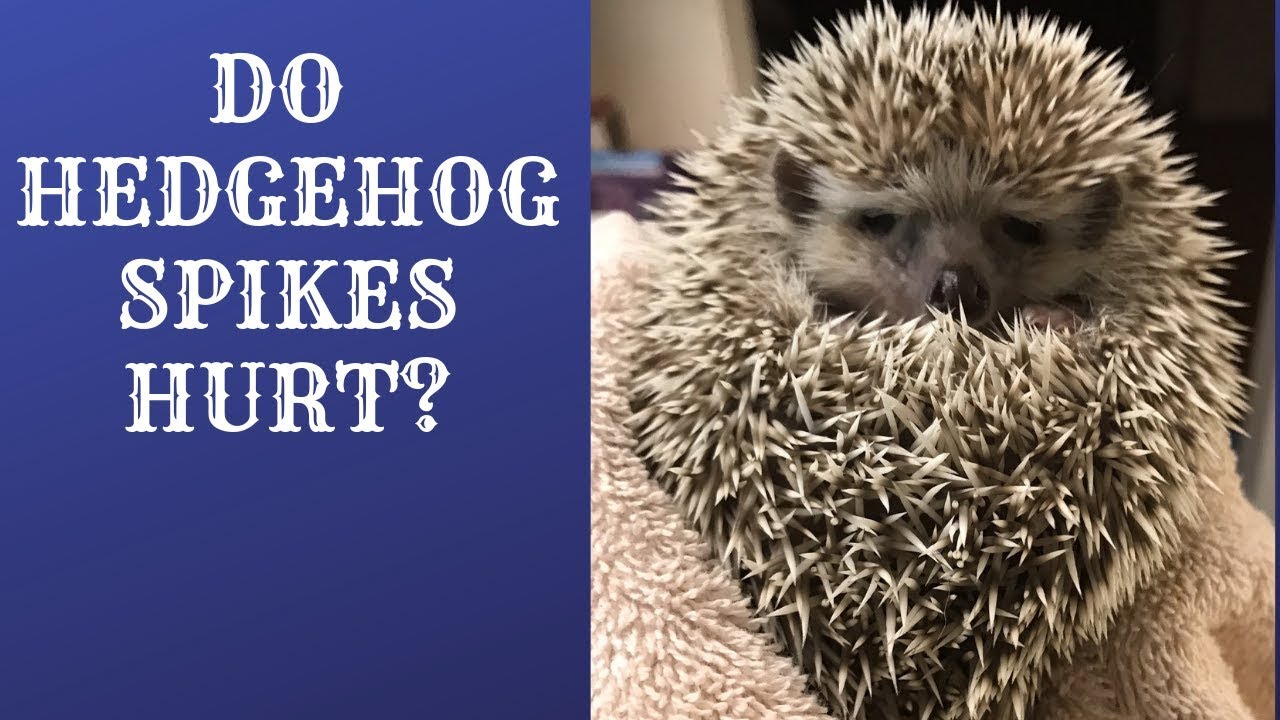
Do Hedgehog Spikes Hurt?: The Surprising Truth Revealed
Yes, hedgehog spikes can hurt, but it’s not always the case. These spikes, or quills, are mostly harmless unless the hedgehog feels threatened.
Hedgehogs are small, cute creatures with a unique defense mechanism. Their spikes are a big part of what makes them interesting. When you touch a relaxed hedgehog, the spikes feel like a brush. But when the hedgehog is scared or stressed, it raises its spikes.
This makes them sharp and painful. Understanding how these spikes work can help you handle them better. In this blog, we will explore more about hedgehog spikes. We will look at when they hurt and how to avoid getting hurt. This can help you enjoy your time with these fascinating animals more safely.
Introduction To Hedgehog Spikes
Hedgehogs are small, adorable creatures known for their unique appearance. One of their most distinctive features is their spiky exterior. Many people wonder if these spikes can hurt. In this blog post, we will explore the fascinating world of hedgehog spikes.
What Are Hedgehog Spikes?
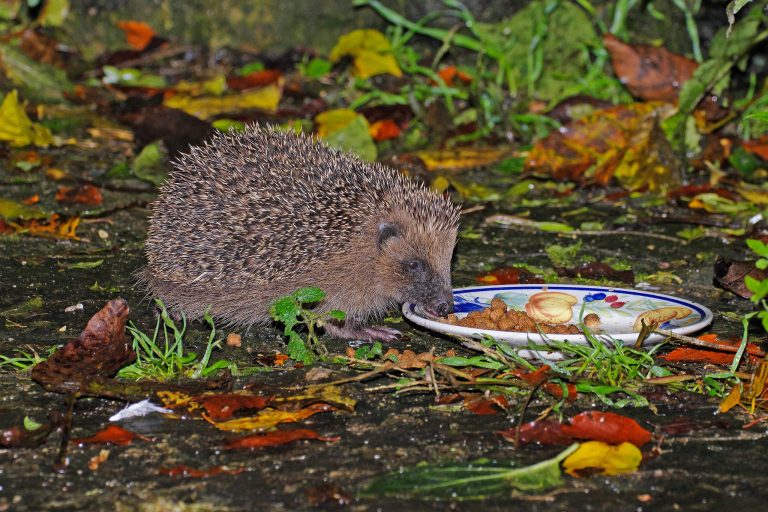
Hedgehog spikes, also called quills, are made of keratin. Keratin is the same protein that makes up human hair and nails. These quills cover the back and sides of a hedgehog. They are stiff, pointed, and hollow. A hedgehog can have up to 7,000 quills. These quills are used for protection against predators. When threatened, a hedgehog curls into a tight ball, exposing only its spikes.
Common Misconceptions
Many people think hedgehog spikes are dangerous. This is not entirely true. The spikes are not poisonous or barbed. They are not designed to cause serious harm. Touching a calm hedgehog’s spikes usually does not hurt. The spikes feel sharp but do not puncture the skin. A frightened or defensive hedgehog may raise its quills. This can cause discomfort if handled roughly. But even then, the quills do not penetrate deeply.
Another misconception is that hedgehogs can shoot their spikes. This is a myth. Hedgehogs cannot launch their quills like porcupines. The quills remain attached to the hedgehog’s body. They only become detached if the hedgehog sheds them naturally or if they break off.

Credit: hedgehogcare101.com
Structure Of Hedgehog Spikes
The structure of hedgehog spikes is fascinating. These spikes, also known as quills, serve as a defense mechanism. Understanding their structure can help answer the question: do hedgehog spikes hurt?
Composition
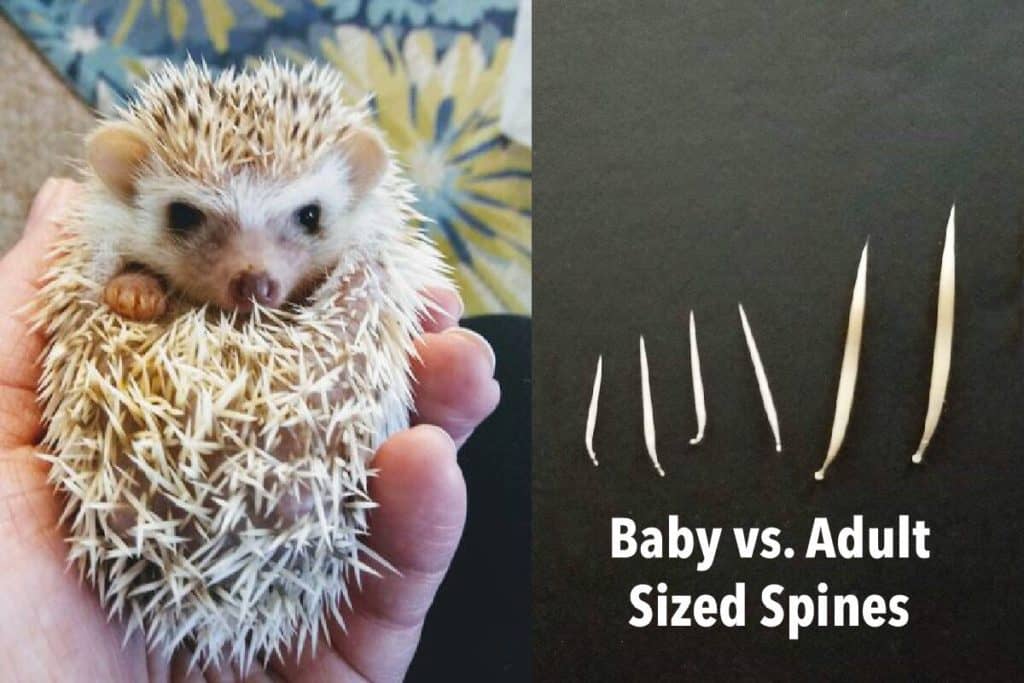
Hedgehog spikes are made of keratin. This is the same protein that makes up human hair and nails. Each spike is hollow and lightweight. This makes them less likely to cause injury. Despite being sharp, the spikes are flexible. They can bend without breaking.
Growth And Development
Hedgehog spikes start developing when the hedgehog is still a baby. Initially, they are soft and small. Over time, they harden and grow longer. The process is called quilling. During quilling, old spikes fall out and new ones take their place. This can be uncomfortable for the hedgehog. But, it is a natural part of their growth.
Adult hedgehogs have around 5,000 to 7,000 spikes. These spikes continue to grow throughout their life. They can regenerate if broken or damaged. The growth rate of new spikes can vary. But, it usually takes a few weeks for a new spike to fully develop.
Function Of Hedgehog Spikes
Hedgehog spikes, also known as quills, serve an essential purpose in the life of a hedgehog. These spikes are more than just a distinctive physical feature. They play a critical role in the survival and defense of this small mammal. Understanding the function of hedgehog spikes can provide insight into their behavior and adaptations.
Defense Mechanism
Hedgehog spikes act as a formidable defense mechanism. When threatened, a hedgehog will curl into a tight ball. This exposes its spikes, which can deter predators. The sharp spikes can make it difficult for predators to bite or handle the hedgehog. This defensive posture effectively protects the hedgehog from many dangers.
Behavioral Adaptations
Hedgehogs have developed several behavioral adaptations to enhance their defense. They will roll into a ball at the slightest hint of danger. This behavior is instinctive and very effective. The spikes, which are made of keratin, provide a protective barrier. This helps them avoid becoming prey.
Another adaptation is their ability to remain motionless. When curled up, hedgehogs can stay still for extended periods. This reduces their chance of being noticed by predators. Their spikes make them look like a prickly, unappetizing snack. This can discourage many animals from attempting to attack.
Do Hedgehog Spikes Actually Hurt?
Have you ever wondered if hedgehog spikes actually hurt? These tiny creatures are known for their spiky defense mechanism. But do those spikes cause pain to humans or other animals?
Pain Perception In Hedgehogs
Hedgehogs have around 5,000 to 7,000 spikes on their back. These spikes are modified hairs made of keratin. When threatened, they roll into a ball, exposing their spikes. This protects them from predators.
Hedgehogs do not feel pain from their own spikes. Their skin is thick and tough. They are used to carrying these spikes on their back. These spikes are not sharp enough to hurt them.
Human Interaction
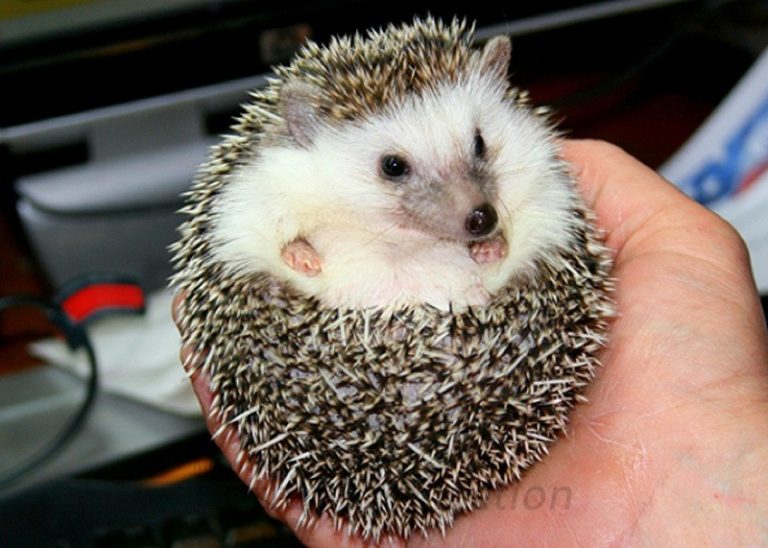
For humans, hedgehog spikes can be a different story. If you handle a hedgehog gently, the spikes should not cause pain. They feel like a brush or stiff bristles. But if a hedgehog feels scared, it will curl up. This can make the spikes feel sharper.
Wearing gloves can help avoid discomfort. Letting the hedgehog relax first can also make handling easier. Respect their space and movements. This can make the interaction pleasant for both of you.
Handling Hedgehogs Safely
Handling hedgehogs can be a delightful experience, but it is essential to do so safely. Hedgehogs have spiky quills that can cause discomfort if not handled properly. This section will guide you on the proper techniques and precautions to ensure a safe interaction with your spiky friend.
Proper Techniques
Start by approaching the hedgehog slowly. Sudden movements can startle them. Let the hedgehog sniff your hand to get familiar with your scent.
When picking up the hedgehog, use both hands. Place your hands under its belly, lifting gently.
Support the hedgehog’s body with your palms. Keep your fingers spread apart to avoid getting pricked by the quills.
Hold the hedgehog close to your chest. This provides a sense of security for the animal.
Precautions
Always wash your hands before and after handling a hedgehog. This prevents the spread of germs and protects both you and the hedgehog.
Avoid handling the hedgehog if it appears stressed. Signs of stress include hissing, curling into a ball, or excessive movement.
Wear gloves if you are new to handling hedgehogs. This can prevent accidental pricks and build your confidence.
Ensure children are supervised when interacting with hedgehogs. Teach them the proper techniques to avoid harm.
Be aware of the hedgehog’s body language. If it starts to curl up, give it some space and try again later.

Credit: www.youtube.com
Comparing Hedgehog Spikes To Other Animals
Hedgehogs have spikes. These spikes look dangerous. Do they hurt? Let’s compare hedgehog spikes to other animals. We will look at porcupines and echidnas.
Porcupines
Porcupines have long, sharp quills. These quills are very different from hedgehog spikes. Porcupine quills can detach easily. They can stick into other animals. This can cause pain and injury.
Hedgehog spikes do not detach. They stay on the hedgehog’s body. Hedgehog spikes are also shorter and less sharp than porcupine quills. Touching a hedgehog can be uncomfortable, but it is not as dangerous as touching a porcupine.
Echidnas
Echidnas have spines too. They are similar to hedgehog spikes. Echidna spines are also short and do not detach. They are used for protection.
Both echidnas and hedgehogs use their spikes to deter predators. The spikes of an echidna are similar in hardness to hedgehog spikes. Both animals use their spikes in the same way. They curl into a ball. This protects their soft belly.
Here is a table to compare hedgehog spikes, porcupine quills, and echidna spines:
| Animal | Spike/Quill Length | Detachable | Primary Use |
|---|---|---|---|
| Hedgehog | Short | No | Protection |
| Porcupine | Long | Yes | Defense |
| Echidna | Short | No | Protection |
Myths About Hedgehog Spikes
Hedgehogs are fascinating creatures. They are often misunderstood due to their spiky appearance. Many people believe myths about hedgehog spikes. These myths can create fear or mislead pet owners.
Debunking Common Myths
One common myth is that hedgehog spikes are poisonous. This is untrue. Hedgehog spikes are made of keratin, the same material as human nails. They are not dangerous. Another myth is that hedgehogs shoot their spikes. This is also false. Hedgehogs cannot eject their spikes. They use them for protection by curling into a ball.
Scientific Evidence
Scientific studies show that hedgehog spikes do not contain venom. Researchers have examined hedgehog behavior and confirmed they do not shoot their spikes. Their spikes are a defense mechanism. When threatened, hedgehogs roll into a ball, presenting their spikes to deter predators.
Credit: heavenlyhedgies.com
Frequently Asked Questions
Do Hedgehog Spikes Hurt To Touch?
Hedgehog spikes can feel prickly but usually don’t hurt. They are more uncomfortable than painful.
Are Hedgehog Spikes Dangerous?
Hedgehog spikes are not dangerous to humans. They are primarily used for defense against predators.
How Do Hedgehogs Use Their Spikes?
Hedgehogs use their spikes to protect themselves. When threatened, they curl into a ball, exposing their spikes.
Can You Hold A Hedgehog Safely?
Yes, you can hold a hedgehog safely. Gently scoop it up from underneath to avoid spikes.
Conclusion
Hedgehog spikes may seem intimidating, but they usually don’t hurt much. These spiky creatures can be quite gentle. Their spikes are more for defense than offense. Handle them with care and patience. Always approach hedgehogs slowly and calmly. This helps them feel safe.
Remember, their spikes only hurt when they feel threatened. Treat them kindly and you’ll have a cute, spiky friend. So, don’t be afraid to enjoy their unique charm. Your understanding makes all the difference.