Does a Hedgehog Have Quills? Uncover the Spiky Truth
Yes, a hedgehog does have quills. These quills, often confused with porcupine spines, are a key feature of hedgehogs.
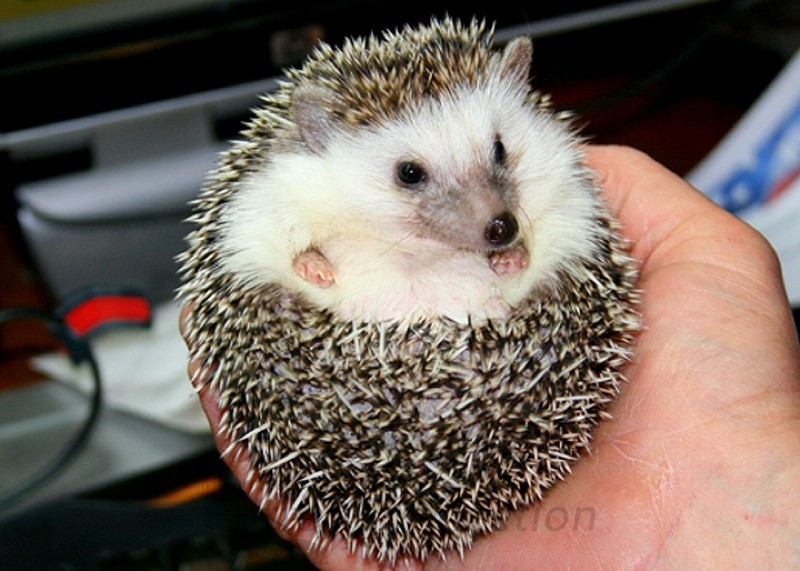
Hedgehogs are fascinating creatures. Their unique, spiky appearance often raises questions. Unlike porcupine spines, hedgehog quills are not barbed and do not detach easily. These quills serve as a defense mechanism, protecting hedgehogs from predators. When threatened, a hedgehog rolls into a tight ball, presenting its quills to any would-be attacker.
This natural armor makes hedgehogs quite resilient in the wild. In this post, we will explore the nature of hedgehog quills, their function, and how they differ from other spiny animals. Stay with us to learn more about these intriguing little creatures and their remarkable adaptations.
Hedgehog Anatomy
Hedgehogs are fascinating creatures with unique features. Their anatomy is distinct and contributes to their charm. A closer look reveals their intriguing body structure and quill composition.
Body Structure
The body of a hedgehog is round and compact. This helps them curl into a ball for protection. They have short legs and a small tail. Their face is pointed with a small, black nose. Hedgehogs have good hearing and smell, but their eyesight is poor.
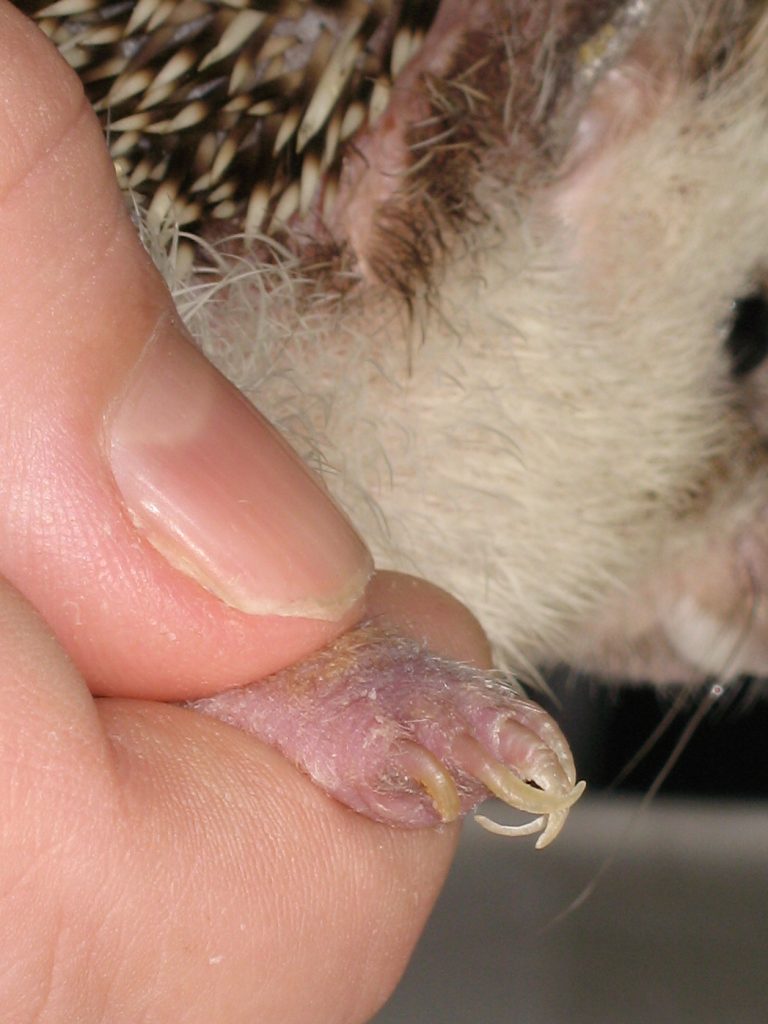
Their limbs are short but strong. They use them to dig and forage for food. Their claws are sharp, aiding in climbing and self-defense. The hedgehog’s body is covered with fur on the underside and quills on the back.
Quill Composition
Hedgehog quills are made of keratin. This is the same protein found in human hair and nails. Each quill is stiff and hollow, providing protection without adding weight. Quills are different from porcupine spines. They are not barbed and do not detach easily.
The quills cover the back and sides of the hedgehog. When threatened, a hedgehog will raise its quills. This makes it harder for predators to attack. The quills can point in various directions, adding to their defense mechanism.
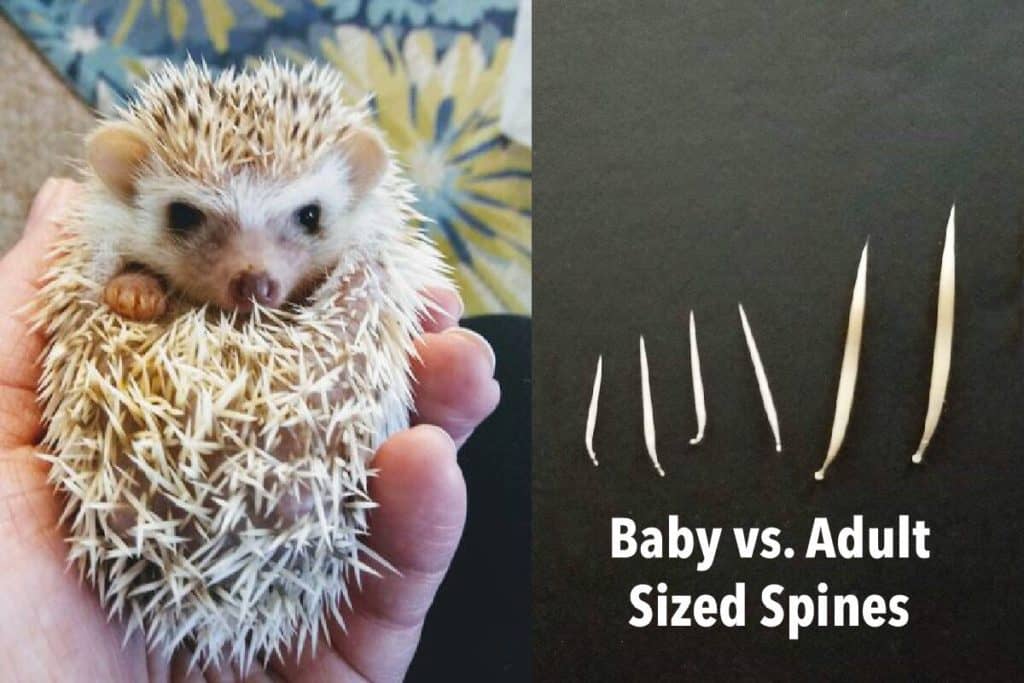
Quills start to develop shortly after birth. They are soft initially but harden with time. The hedgehog will have around 5,000 to 7,000 quills by adulthood. These quills are replaced periodically throughout their life.
Credit: heavenlyhedgies.com
Quills Vs. Spines
Have you ever wondered whether a hedgehog has quills or spines? This is a common question among animal lovers. Both terms are often used interchangeably, but they are different. Let’s dive into the differences and similarities between quills and spines.
Differences
Quills and spines are not the same. They have unique characteristics that set them apart.
| Feature | Quills | Spines |
|---|---|---|
| Animals | Porcupines | Hedgehogs |
| Structure | Hollow and barbed | Solid and smooth |
| Function | Defense | Defense |
| Replacement | Regrow slowly | Regrow quickly |
Hedgehogs have spines, not quills. Their spines are solid and smooth. In contrast, porcupines have quills, which are hollow and barbed. This makes quills more effective for defense.
Similarities
Despite the differences, quills and spines share some common features.
- Both serve as a defense mechanism.
- Both can cause pain to predators.
- Both are made of keratin, like human hair and nails.
Both quills and spines are effective in protecting the animals. They deter predators and keep the animals safe. While they differ in structure, their primary purpose remains the same.
Purpose Of Quills
The purpose of a hedgehog’s quills is fascinating. These quills play a significant role in the life of a hedgehog. They are not just for show. They serve crucial functions that help the hedgehog survive.
Defense Mechanism
Quills serve as a primary defense mechanism. When threatened, a hedgehog curls into a ball. This exposes the sharp quills to any potential predator. The quills deter predators from attacking. They feel sharp and painful to touch. This makes the hedgehog a less appealing target.
Other Uses
Quills have other uses beyond defense. They help in sensing the environment. The quills are sensitive to vibrations. This sensitivity helps the hedgehog detect danger. It also helps them navigate through tight spaces.
Another use is for communication. Hedgehogs use quills to send signals. They can raise their quills to show aggression. Lowered quills indicate a relaxed state. This helps other hedgehogs understand their mood.
Hedgehog Species
Hedgehogs are fascinating creatures known for their spiky defense mechanism. They have unique characteristics that distinguish them from other animals. One of the most notable features of a hedgehog is its quills. These quills are not just for show; they play a crucial role in the hedgehog’s survival. There are different species of hedgehogs, each with its own unique set of quills and behaviors.
Common Types
There are several species of hedgehogs, each with unique traits. Below are some of the most common types:
- European Hedgehog: Found in Europe and known for its brown quills.
- African Pygmy Hedgehog: A popular pet, smaller in size with a mix of white and brown quills.
- Indian Hedgehog: Native to India, it has shorter quills and a distinctive mask-like face.
- Desert Hedgehog: Found in Middle Eastern deserts, known for its lighter quills and smaller body.
Quill Variations
Hedgehog quills vary not only by species but also in their appearance and function. Here are some notable differences:
| Species | Quill Characteristics |
|---|---|
| European Hedgehog | Brown, long, and sharp quills |
| African Pygmy Hedgehog | Shorter, mixed white and brown quills |
| Indian Hedgehog | Shorter quills, with a mask-like pattern on the face |
| Desert Hedgehog | Lighter, thinner quills suited for hot climates |
Quills serve as a defense mechanism against predators. When threatened, a hedgehog will curl into a ball, exposing its sharp quills. This action makes it difficult for predators to eat them. The quills are not poisonous, but they are sharp enough to deter many would-be attackers. The variation in quills among different species helps each type of hedgehog to adapt to its specific environment.
Quill Growth
Hedgehogs are known for their unique quills. These quills are not just for defense. They play a key role in a hedgehog’s overall health. Understanding quill growth can help you care for your pet hedgehog better.
Development Stages
Quill growth begins soon after birth. Newborn hedgehogs, called hoglets, are born with soft quills. These quills harden within a few hours. Over the next few weeks, hoglets go through a process known as “quilling.”
During this time, they shed baby quills and grow adult quills. Quilling is similar to teething in human babies. It can cause discomfort and irritability. Ensure your hedgehog has a comfortable environment during quilling.
Regrowth Process
Quills can fall out for various reasons. Stress, illness, or injury may cause quill loss. The good news is that quills can regrow. The regrowth process is slow but steady. It can take several weeks for new quills to fully develop.
Provide a balanced diet rich in nutrients. This helps support healthy quill regrowth. Keep the hedgehog’s habitat clean and stress-free. This also aids in the regrowth process.

Credit: www.southwiltonvet.com
Hedgehog Behavior
Hedgehogs are fascinating creatures with unique behaviors. Their actions and instincts help them survive in the wild. Understanding their behavior can give us insight into their daily lives and survival tactics.
Quill Usage
Hedgehogs have quills on their backs. These quills serve many purposes. They are stiff and sharp, providing a strong defense. When threatened, a hedgehog raises its quills. This makes it harder for predators to bite or attack.
Quills are not used for attack. They are a defense mechanism. Hedgehogs do not shoot their quills. The quills simply stand up and form a barrier. This makes hedgehogs seem larger and more dangerous.
Self-defense Tactics
Hedgehogs have several self-defense tactics. One of the most well-known is curling into a ball. This action hides their soft underbelly. Only the sharp quills are exposed. This makes them difficult to eat or harm.
Another tactic is making hissing sounds. This can scare off some predators. Hedgehogs may also use their sharp teeth if cornered. They do not seek fights but will defend themselves fiercely.
Understanding these behaviors can help in appreciating these small but mighty creatures. Hedgehogs rely on their instincts and natural defenses to stay safe. Observing them can teach us a lot about survival in the wild.
Myths And Facts
Many people believe hedgehogs are cute, small animals with spiky defenses. These beliefs are often mixed with myths and misconceptions. Understanding the truth about hedgehogs helps in caring for them better. Let’s explore some common misconceptions and the scientific evidence behind hedgehog quills.
Common Misconceptions
One common myth is that hedgehogs can shoot their quills. This is not true. Hedgehogs cannot project their quills at predators. The quills stay attached to their bodies unless they fall out naturally.
Another myth is that hedgehog quills are poisonous. Hedgehog quills are not toxic. They are made of keratin, the same protein found in human hair and nails.
Scientific Evidence
Hedgehog quills are modified hairs. They are stiff and hollow. The quills provide protection by deterring predators. When threatened, a hedgehog curls into a ball, presenting its quills outward.
Research shows that hedgehog quills are not barbed. They do not stick into the skin like porcupine quills. This makes them less dangerous, but still effective for defense.
Scientists have studied hedgehog behavior. They discovered that hedgehogs use their quills for communication too. The position and movement of quills can indicate a hedgehog’s mood.
Caring For Hedgehogs
Hedgehogs make wonderful pets. But, they need special care. Their quills can be sharp. Owners must handle them correctly. This helps avoid injuries.
Handling Tips
Always wash your hands before touching your hedgehog. This removes any scents that might scare it. Approach your hedgehog slowly and calmly. Sudden movements can frighten it. Use both hands to pick it up. Support its belly gently. This gives the hedgehog a sense of security. Be patient. Hedgehogs need time to trust you.
Preventing Injuries
Quills can hurt if not handled properly. Wear gloves if you are nervous. This protects your hands. Keep your hedgehog’s nails trimmed. Long nails can cause scratches. Always supervise young children when they handle the hedgehog. Teach them to be gentle. Provide a safe and spacious habitat. Avoid placing sharp objects inside the cage. This prevents the hedgehog from getting injured.
:strip_icc()/Stocksy_txp7fd2c20eptp100_Medium_307791-5a7c7a076bf0690037e6d99f.jpg)
Credit: www.thesprucepets.com
Frequently Asked Questions
What Are Hedgehog Quills Made Of?
Hedgehog quills are made of keratin, the same protein as human hair and nails. They are stiff and sharp.
Do Hedgehog Quills Hurt?
Hedgehog quills can hurt if they poke you. However, they are not barbed and don’t detach easily.
How Many Quills Does A Hedgehog Have?
A hedgehog has approximately 5,000 to 7,000 quills. These quills provide protection from predators.
Can Hedgehogs Shoot Their Quills?
No, hedgehogs cannot shoot their quills. They can, however, raise their quills when threatened.
Conclusion
Hedgehogs indeed have quills. These sharp spines protect them from predators. Each quill is strong yet flexible. Hedgehogs raise their quills when threatened. Quills are an amazing defense mechanism. They help hedgehogs survive in the wild. Understanding quills helps us appreciate hedgehogs more.
These small creatures are fascinating. Their quills are just one interesting feature. Next time you see a hedgehog, remember its unique defense.