Do Hedgehog Eat Plants: Uncovering Their Surprising Diet
Yes, hedgehogs do eat plants. They are omnivores, meaning they eat both plants and animals.
Their diet includes fruits, vegetables, insects, and small animals. Hedgehogs are fascinating creatures with varied diets. While they are known for eating insects and small animals, plants also play a role in their nutrition. Understanding what hedgehogs eat can help pet owners and wildlife enthusiasts provide better care and support.
In this blog post, we will explore the dietary habits of hedgehogs, focusing on their plant consumption. By the end, you’ll have a clearer picture of what these spiky animals enjoy eating and how you can cater to their dietary needs. So, let’s dive into the world of hedgehog diets and uncover the truth about their plant-eating habits.
Credit: www.hedgehogcentral.com
Hedgehog Basics
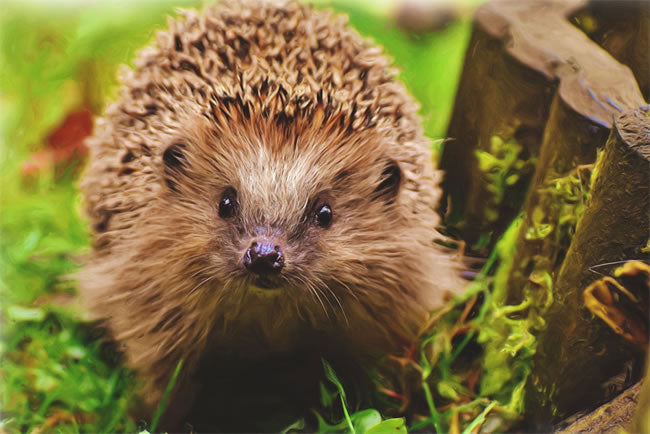
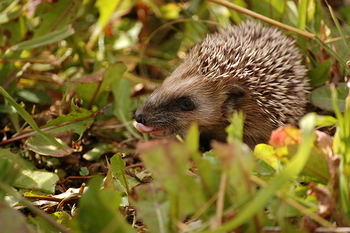
Hedgehogs are small, nocturnal mammals known for their spiky appearance. Their bodies are covered with sharp quills. These creatures curl into a ball when threatened. This protects them from predators. Hedgehogs are often mistaken for rodents. They belong to the Erinaceidae family.
Physical Traits
Hedgehogs have a unique look. Their backs are covered with thousands of stiff, sharp spines. These spines are not poisonous. They do not detach easily. The underbelly of a hedgehog is soft and furry. Hedgehogs have small, rounded ears. Their eyes are large and dark. They possess a long snout that is perfect for foraging.
Natural Habitat
Hedgehogs are found in various parts of the world. Their habitats include forests, deserts, and grasslands. They prefer areas with plenty of ground cover. This provides shelter and food sources. Hedgehogs build nests from leaves and other plant materials. These nests are usually hidden in dense vegetation.
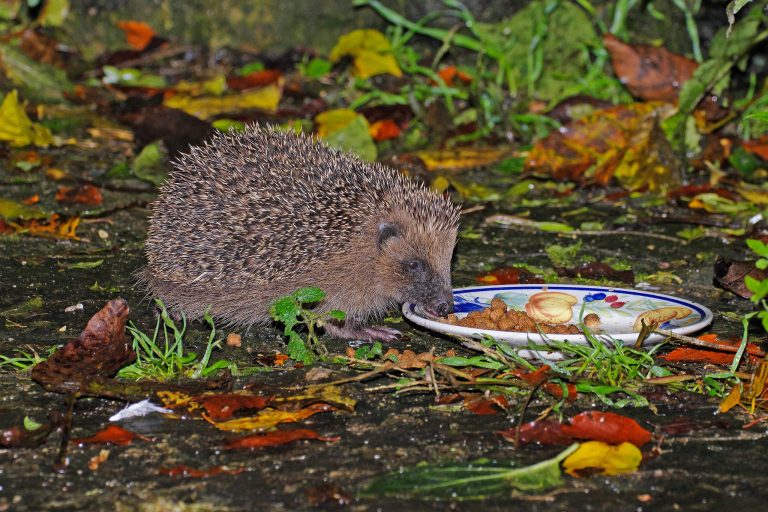
In urban areas, hedgehogs adapt well. They make homes in gardens and parks. They are skilled at finding food in these environments. Their diet includes insects, small animals, and even plants. Hedgehogs are solitary creatures. They are active mainly at night.
Common Hedgehog Diet
Hedgehogs are fascinating creatures with varied diets. Understanding what they eat helps us care for them better. Their diet consists of insects, small vertebrates, and sometimes plants. Let’s dive into the common hedgehog diet.
Insects And Bugs
Insects and bugs form a large part of a hedgehog’s diet. They love beetles, caterpillars, and slugs. These provide essential proteins and nutrients. Hedgehogs hunt for these critters at night. Their keen sense of smell helps them find bugs easily. This makes up a significant part of their daily food intake.
Small Vertebrates
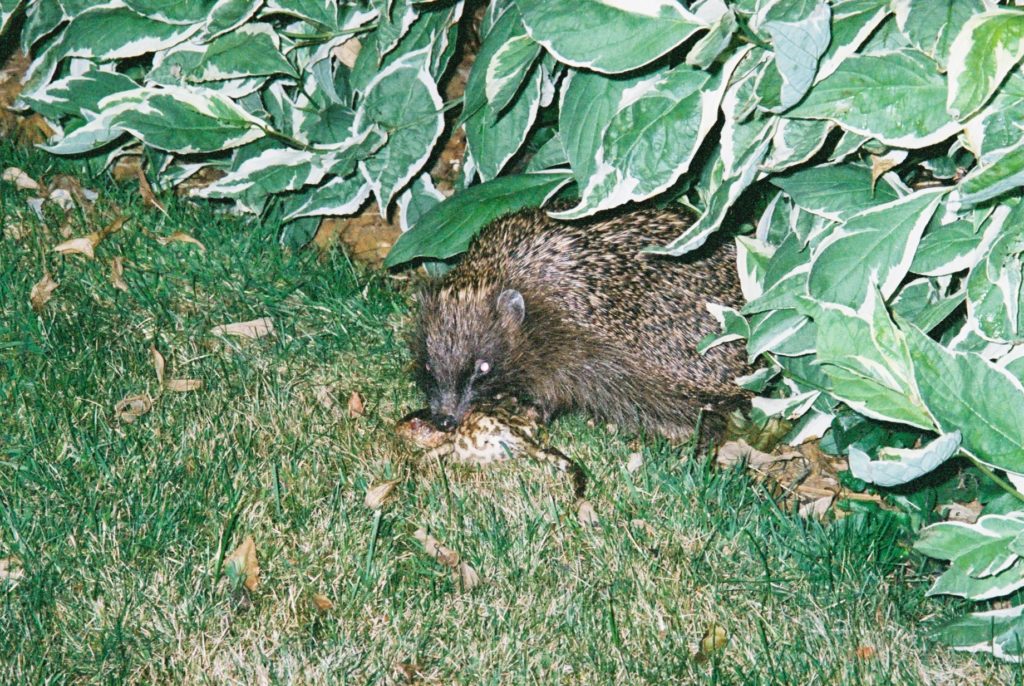
Hedgehogs also eat small vertebrates. They might eat tiny frogs, baby birds, or even small mammals. These provide them with additional protein. Eating small vertebrates is less common but still part of their diet. Hedgehogs are opportunistic feeders. They eat what they can find in their environment.
Plant-based Foods
Hedgehogs are omnivores, which means they eat both plants and animals. While their diet often includes insects and small animals, they also enjoy plant-based foods. Understanding the plant-based foods that hedgehogs eat can help provide a balanced diet for these spiky creatures.
Fruits And Berries
Hedgehogs love to munch on fruits and berries. These foods are rich in vitamins and nutrients. Here are some examples of fruits and berries that hedgehogs enjoy:
- Apples: These are high in fiber and vitamins.
- Blueberries: Packed with antioxidants.
- Strawberries: A sweet treat full of vitamin C.
- Bananas: Great source of potassium.
Make sure to cut the fruits into small, manageable pieces. This helps prevent choking and makes it easier for hedgehogs to eat.
Leaves And Vegetables
Hedgehogs also eat a variety of leaves and vegetables. These provide essential nutrients and help maintain a healthy digestive system. Some common leaves and vegetables that hedgehogs enjoy include:
- Spinach: High in iron and calcium.
- Carrots: Great for eye health due to high vitamin A content.
- Peas: Rich in protein and fiber.
- Broccoli: Packed with vitamins and minerals.
Always wash vegetables thoroughly before feeding them to hedgehogs. This removes pesticides and harmful chemicals.
Including a variety of plant-based foods in a hedgehog’s diet ensures they receive a balanced nutrition. It keeps them healthy and happy.
Nutritional Needs
Understanding the nutritional needs of hedgehogs is essential for their health. Many people wonder if hedgehogs eat plants. To answer this, we need to look at their diet and what they need to stay healthy.
Protein Requirements
Hedgehogs need a diet high in protein. This is because they are insectivores. They primarily eat insects and small animals in the wild. Protein helps them grow and stay strong. Without enough protein, hedgehogs can get sick.
In captivity, you can feed them cooked chicken or eggs. High-quality cat food also works well. Make sure the food is low in fat and high in protein. Avoid giving them too many plant-based foods. They do not provide the protein hedgehogs need.
Fiber And Vitamins
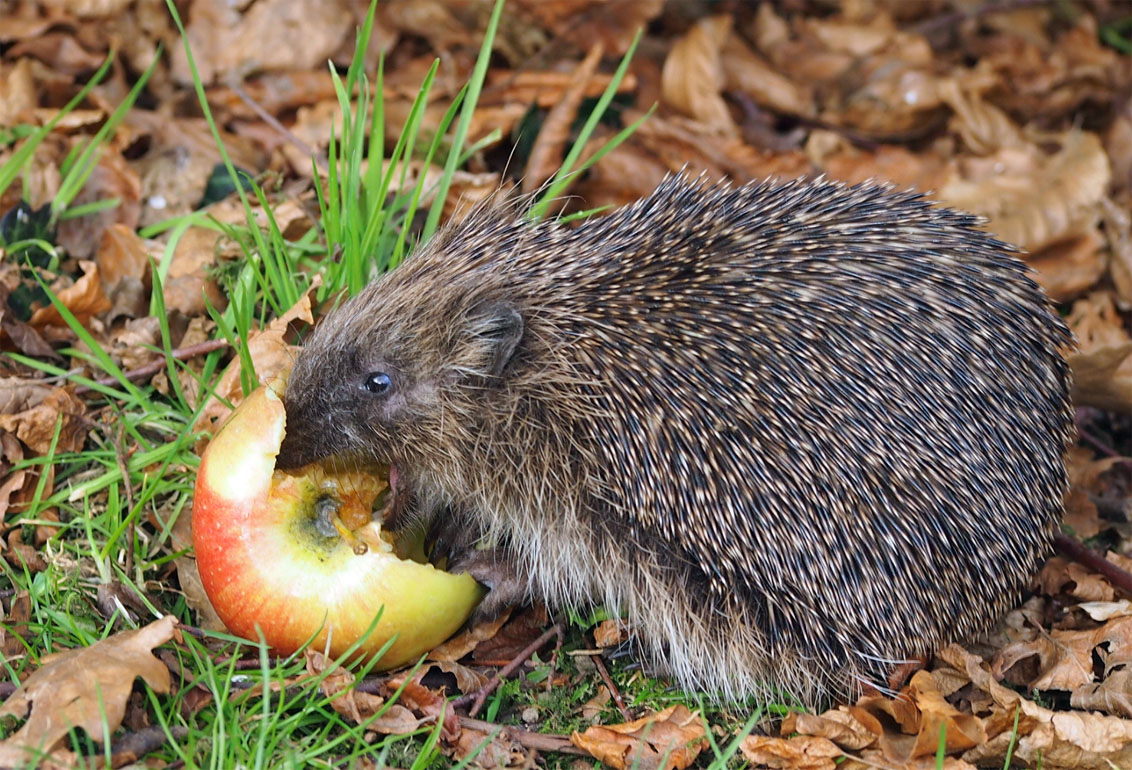
Hedgehogs also need fiber and vitamins. Fiber helps their digestion. Some plant-based foods can provide this. Small amounts of fruits and vegetables are good. Apples, carrots, and greens are safe choices.
Vitamins are also important. They help with overall health and energy. You can give them vitamin supplements if needed. Ensure any plant-based food is clean and pesticide-free.
Remember, while hedgehogs can eat some plants, their diet should mainly be protein-rich. This ensures they get the nutrients they need to stay healthy.
Feeding Hedgehogs In Captivity
Feeding hedgehogs in captivity can be a rewarding experience. It is crucial to provide a balanced diet to keep your hedgehog healthy. In captivity, hedgehogs require special diets to meet their nutritional needs. Let’s explore the different feeding options available for hedgehogs in captivity.
Commercial Food Options
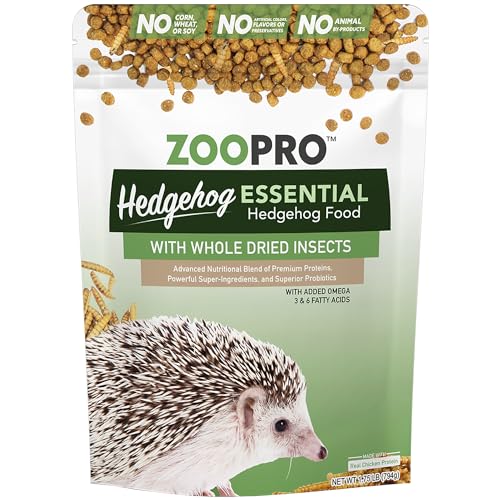
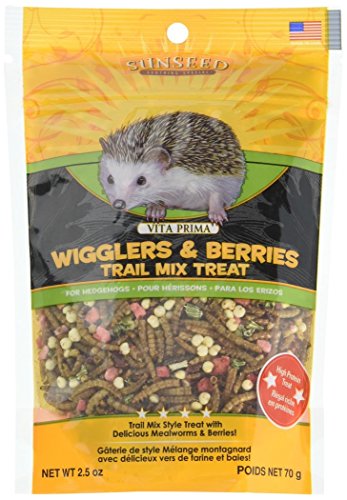
Many pet stores offer commercial hedgehog food. These foods are designed to meet the dietary needs of hedgehogs. Look for high-protein and low-fat options. Some brands even include insects, which hedgehogs love. Always check the ingredient list to ensure quality. Avoid foods with too many fillers or artificial ingredients.
Homemade Diets
Homemade diets can be a great option for hedgehogs. You can control the ingredients and ensure freshness. A good homemade diet includes lean meats, vegetables, and fruits. Chicken, turkey, and beef are excellent protein sources. Vegetables like carrots and peas add essential vitamins. Fruits like apples and berries can be occasional treats.
Remember to avoid toxic foods. Some foods can harm hedgehogs, like grapes and avocados. Always research new foods before adding them to your hedgehog’s diet.
Credit: www.wildlifeonline.me.uk
Potential Dangers
Potential dangers exist when feeding hedgehogs plants. While hedgehogs do consume some plant matter, there are risks involved. Understanding these risks can help keep your hedgehog safe and healthy.
Toxic Plants
Some plants are toxic to hedgehogs. Common garden plants like daffodils, lilies, and tulips can cause harm. Always research any new plants before introducing them to your hedgehog’s environment. Even small amounts of these plants can be dangerous.
Another common houseplant, ivy, is also toxic. Keep your hedgehog away from ivy to avoid any health issues. Symptoms of plant poisoning include vomiting, diarrhea, and lethargy. If your hedgehog shows these signs, contact a vet immediately.
Overfeeding Risks
Overfeeding plants can lead to digestive problems. Hedgehogs need a balanced diet, which includes insects and meat. Too many plants can upset this balance. This can lead to malnutrition and other health issues.
Always provide a variety of foods. Make sure plants are only a small part of their diet. A mix of proteins and fibers is essential for their health. Monitor their diet closely to ensure they remain healthy and active.
Seasonal Diet Changes
Hedgehogs have a unique diet that changes with the seasons. Their food choices depend on what is available. This shift ensures they get the nutrients they need to stay healthy. In this section, we will explore how their diet changes during winter and summer.
Winter Feeding
During winter, hedgehogs face a scarcity of food. The cold weather makes it hard for them to find insects. They adapt by eating more plants and fruits. These provide the energy they need.
Common winter foods include:
- Apples
- Pears
- Carrots
- Leafy greens
These foods are easier to find during winter. They help hedgehogs survive the cold months. Hedgehogs also store fat by eating more plant-based foods. This fat keeps them warm and gives them energy.
Summer Preferences
In summer, the diet of hedgehogs changes again. They have more food options. Insects and worms become more abundant. Hedgehogs prefer these protein-rich foods during the warmer months.
Summer foods include:
- Beetles
- Earthworms
- Slugs
- Caterpillars
These foods provide essential proteins. They help hedgehogs grow and stay active. Summer is a time of plenty for them. They eat more insects to prepare for the colder months ahead.
Understanding these seasonal diet changes can help in providing the right food for hedgehogs. It ensures they stay healthy and active throughout the year.
Hedgehog Feeding Myths
Many people believe myths about what hedgehogs eat. Some think hedgehogs only eat plants or only eat insects. These myths can confuse those who want to care for hedgehogs properly. This section will explore some common misconceptions and provide scientific evidence to help you understand hedgehog diets better.
Common Misconceptions
People often think hedgehogs are herbivores. They assume hedgehogs only eat fruits and vegetables. This is not true. Hedgehogs are omnivores. They eat both plants and animals.
Another myth is that hedgehogs eat a lot of dairy products. Some believe they enjoy milk and cheese. In reality, dairy can harm hedgehogs. Their bodies do not digest lactose well. This can cause stomach issues.
Some think hedgehogs only eat insects. While they do eat insects, it is not their only food. They also eat small animals, fruits, and vegetables.
Scientific Evidence
Research shows hedgehogs are indeed omnivores. They have varied diets in the wild. Studies find they eat insects, worms, and small vertebrates. They also consume fruits, berries, and some vegetables.
Scientists studied hedgehog stomach contents. They found a mix of animal and plant matter. This proves hedgehogs do not rely on a single food type. They need a balanced diet.
Experts advise giving pet hedgehogs a mix of foods. This includes insects, cooked meat, and some fruits and vegetables. Avoid giving them dairy products. Always provide fresh water.
| Food Type | Examples |
|---|---|
| Insects | Mealworms, crickets |
| Fruits | Apples, berries |
| Vegetables | Carrots, peas |
| Meat | Cooked chicken, lean beef |
| Avoid | Dairy products, sugary foods |
Feeding hedgehogs a varied diet is crucial. Always research before introducing new foods. This ensures they stay healthy and happy.
Credit: www.hedgehogstreet.org
Frequently Asked Questions
Do Hedgehogs Eat Plants?
Hedgehogs mainly eat insects but may nibble on plants. They are insectivores, preferring bugs, worms, and small animals over vegetation.
Can Hedgehogs Digest Plants?
Hedgehogs can digest some plants, but they are not a primary food source. Their digestive system is adapted for animal-based foods.
What Plants Do Hedgehogs Eat?
Hedgehogs may occasionally eat soft fruits and vegetables. However, plants are not a significant part of their diet.
Are Plants Safe For Hedgehogs?
Some plants are safe, but others can be toxic. Always research before offering plants to hedgehogs.
Conclusion
Hedgehogs do eat plants, but they prefer insects and small animals. They enjoy fruits and vegetables occasionally. Understanding their diet helps in their care. Offering a balanced diet ensures a healthy, happy hedgehog. Always provide fresh water too. Remember, variety is key in their meals.
Whether you have a pet hedgehog or enjoy observing them, knowing their eating habits is helpful. Keep their diet natural and varied. This way, you support their well-being effectively.