Do Ferrets Eat Bugs? Unveiling the Surprising Truth
Yes, ferrets do eat bugs. They are natural hunters and enjoy insects as part of their diet.
Bugs can provide ferrets with protein and nutrients. Ferrets are curious creatures with diverse dietary habits. They are obligate carnivores, meaning their diet mainly consists of animal protein. While commercial ferret food meets most nutritional needs, ferrets also enjoy hunting and eating bugs.
Insects like crickets, mealworms, and grasshoppers can be a healthy snack for them. Bugs offer essential nutrients and mimic the natural hunting behavior of ferrets. But, it’s important to ensure that any insects given to ferrets are safe and free from pesticides. This blog post will explore the benefits and considerations of feeding bugs to ferrets.
Introduction To Ferrets’ Diet
Ferrets are fascinating creatures with unique dietary needs. Understanding what they eat is crucial for their health and happiness. This section explores the natural eating habits of ferrets and addresses common misconceptions about their diet.
Natural Eating Habits
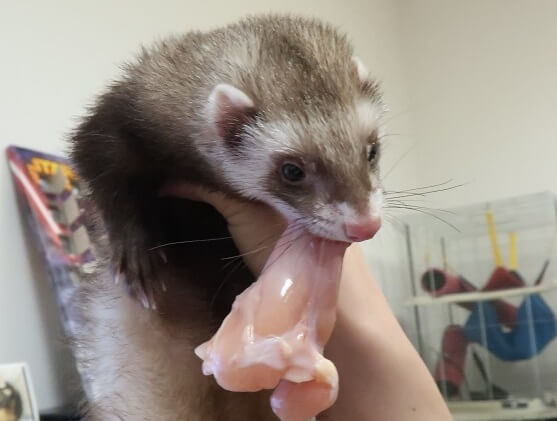
Ferrets are obligate carnivores, meaning they thrive on a diet rich in meat. In the wild, ferrets hunt small animals like rodents, birds, and insects. Their diet is high in protein and fat, with minimal carbohydrates.
| Food Type | Nutritional Benefit |
|---|---|
| Meat | High in protein |
| Insects | Rich in fat and protein |
| Birds | Provides essential nutrients |
Ferrets have sharp teeth and a short digestive tract. This allows them to process meat efficiently. Their natural diet ensures they get the essential nutrients they need for energy and growth.
Common Misconceptions
Many people believe ferrets can eat fruits and vegetables. This is not true. Ferrets’ digestive systems are not designed to handle plant material. Feeding them fruits or vegetables can lead to health issues.
Another misconception is that ferrets can eat dog or cat food. While some high-protein cat foods can be suitable, dog food lacks the necessary nutrients for ferrets. Always choose a diet specifically designed for ferrets.
- Ferrets are obligate carnivores.
- Plant material is not suitable for their diet.
- Specialized ferret food is the best choice.
Understanding these key points ensures your ferret stays healthy and active. Providing the right diet is essential for their well-being.
Credit: friendlyferret.com
Nutritional Needs Of Ferrets
Ferrets are obligate carnivores, meaning they need a diet high in meat. Their digestive systems are designed to process animal-based proteins and fats. Understanding their nutritional needs is essential for their health.
Essential Nutrients
Ferrets require specific nutrients to stay healthy. These include:
- Protein: They need high levels of animal protein. Chicken, turkey, and lamb are good sources.
- Fat: Healthy fats are crucial for energy. Ferrets have a high metabolism, so fats help them stay active.
- Vitamins: Vitamins A, D, and E are essential. They help with vision, bone health, and immune function.
- Taurine: An essential amino acid for heart and eye health.
Balanced Diet
A balanced diet for ferrets includes a mix of:
- High-quality ferret kibble. Look for products with high meat content.
- Fresh meat. Raw or cooked meat can be added to their diet.
- Occasional treats. Use sparingly to avoid obesity.
Ferrets should not eat grains, fruits, or vegetables. These can cause digestive issues.
Do ferrets eat bugs? Sometimes. Bugs can be a natural part of their diet. Insects provide protein and some fat. However, they should not be the main food source. Always ensure any insects are safe and pesticide-free.
Ferrets As Carnivores
Ferrets are natural carnivores. This means they thrive on a diet rich in meat. Their bodies are designed to digest animal protein efficiently. This dietary preference stems from their wild ancestors.
Meat-based Diet
A ferret’s diet should be predominantly meat-based. This ensures they get the necessary nutrients. A proper diet helps maintain their health and energy levels. Ferrets cannot digest plant-based foods well. This is because their digestive systems lack the necessary enzymes.
Protein Sources
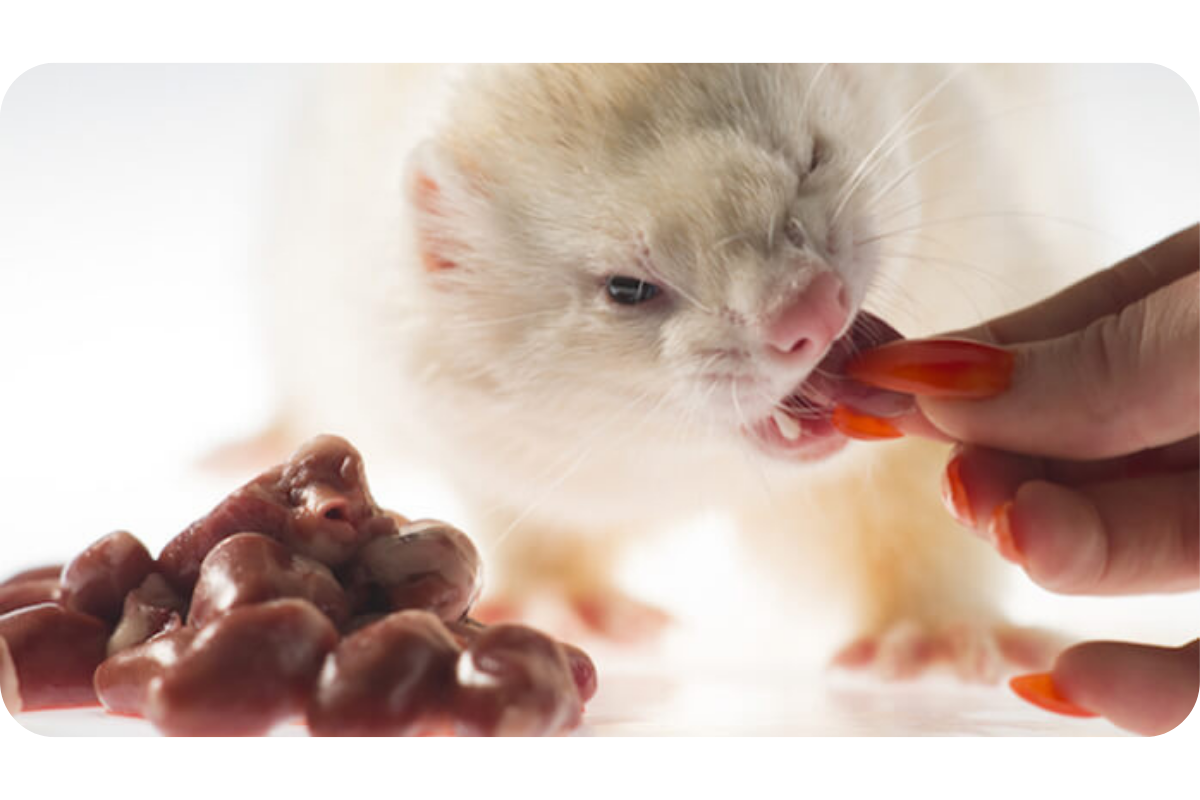
Ferrets require high-protein foods. Good protein sources include:
- Chicken
- Turkey
- Beef
- Rabbit
Some ferrets also eat insects. Insects can be a good protein source. They offer variety to a ferret’s diet. Common insects include crickets and mealworms.
It is important to ensure the protein is of high quality. Poor quality protein can harm a ferret’s health. Always consult with a vet for dietary advice.
Credit: www.ferret-world.com
Do Ferrets Eat Bugs?
Ferrets are curious animals with diverse diets. Many ferret owners wonder if their furry friends can eat bugs. Understanding what ferrets eat is crucial for their health. Let’s explore if ferrets include bugs in their diet.
Insect Consumption
Ferrets are carnivores. They primarily eat meat. But they are also known to eat small insects. In the wild, ferrets hunt and eat various prey. This includes insects. Bugs can be a natural part of their diet.
Ferrets may enjoy eating bugs like:
- Crickets
- Mealworms
- Grasshoppers
These insects can provide a source of protein. But it’s important to ensure they are safe and free of pesticides.
Nutritional Value Of Bugs
Bugs can offer some nutritional benefits to ferrets. They are rich in protein, which is essential for ferrets. Protein helps maintain their muscle mass and energy levels.
| Insect | Protein Content |
|---|---|
| Crickets | 20 grams per 100 grams |
| Mealworms | 19 grams per 100 grams |
| Grasshoppers | 21 grams per 100 grams |
Besides protein, bugs have other nutrients. They contain vitamins and minerals. These support a ferret’s overall health. But bugs alone cannot meet all dietary needs. Ferrets need a balanced diet with various nutrients.
Types Of Bugs Ferrets Can Eat
Ferrets are curious little creatures. They love to explore their surroundings. Sometimes, they might find bugs. But can ferrets eat bugs? Yes, they can. But not all bugs are safe for ferrets. Let’s look at the types of bugs ferrets can eat.
Safe Insects
Some insects are safe for ferrets to eat. These insects can even be good for them. Here are a few safe insects:
- Crickets: Crickets are high in protein. Ferrets can eat them without any problems.
- Mealworms: Mealworms are also rich in protein. They are a popular choice among ferret owners.
- Waxworms: Waxworms are fat-rich. They are good as an occasional treat.
Insects To Avoid
Some bugs are not safe for ferrets. These insects can harm your pet. Avoid feeding these bugs to your ferret:
- Bees and Wasps: These insects can sting. They are dangerous for ferrets.
- Spiders: Some spiders are venomous. Keep your ferret away from them.
- Fireflies: Fireflies have toxins. They can be deadly to ferrets.
Always ensure your ferret is safe. Only feed them bugs that are safe for them. Avoid harmful insects to keep your pet healthy.
Health Benefits And Risks
Ferrets are curious creatures with diverse dietary habits. Many ferret owners wonder if bugs can be part of their pet’s diet. This section explores the health benefits and risks of ferrets eating bugs.
Pros Of Eating Bugs
Bugs can be a natural protein source for ferrets. Protein is essential for their growth and energy. Bugs also offer essential vitamins and minerals. These nutrients help maintain a ferret’s overall health. Eating bugs can mimic a ferret’s wild diet. This may lead to improved digestion and satisfaction.
Potential Health Issues
Not all bugs are safe for ferrets. Some bugs may carry pesticides or harmful bacteria. These can cause serious health problems for your pet. Bugs with hard exoskeletons can be difficult to digest. This might lead to blockages in their digestive system. Eating bugs also introduces the risk of parasites. Parasites can cause infections and other health issues. Always ensure the bugs are safe and clean before feeding them to your ferret.
Introducing Bugs Into Their Diet
Introducing bugs into a ferret’s diet can be a nutritious addition. Bugs provide protein, vitamins, and minerals. They mimic a ferret’s natural prey in the wild. But how do you start? Let’s break it down with some steps and tips.
Gradual Introduction
Start by adding small amounts of bugs to their regular food. This helps them get used to the new taste and texture. Use easy-to-find bugs like crickets or mealworms.
- Day 1-3: Mix a few bugs with their usual food.
- Day 4-7: Increase the number of bugs slightly.
- Week 2: Offer bugs as a separate treat.
Observe how your ferret reacts. Some may love it right away. Others may need more time.
Monitoring Health
Keep an eye on your ferret’s health. Adding bugs is new, so watch for any changes. Look out for:
- Changes in stool
- Changes in energy levels
- Allergic reactions
If you notice any issues, reduce the amount of bugs. Consult with your vet for advice.
A balanced diet is key for a healthy ferret. Bugs can be a fun and nutritious addition. Just introduce them slowly and monitor your pet’s health.
Alternatives To Bugs
While bugs can be a natural part of a ferret’s diet, they are not always available. Ferrets need a balanced diet to stay healthy. This section covers alternatives to bugs that ensure your ferret gets the nutrition it needs.
Commercial Ferret Food
Commercial ferret food is a convenient option. It is specially formulated to meet their dietary needs. Look for high-protein options. Avoid foods with too many carbohydrates. High-quality ferret food can ensure your pet stays healthy.
Always check the ingredients. The first few ingredients should be meat-based. Avoid fillers like corn and wheat. These can upset your ferret’s stomach. Select a trusted brand known for its quality.
Homemade Diet Options
Homemade diet options can be very nutritious. You control the ingredients. This can be beneficial for ferrets with allergies. Raw meat is the main component of a homemade diet. Chicken, turkey, and rabbit are great choices.
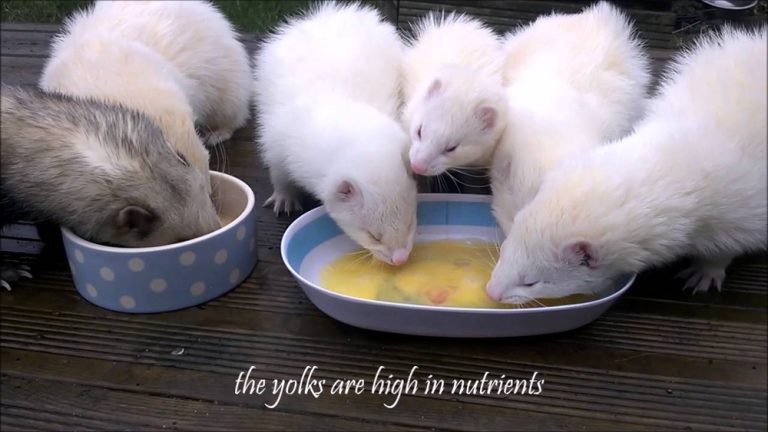
Include organ meats. Liver and heart provide essential nutrients. Avoid seasoned or cooked meats. Ferrets do not need spices or additives. You can also add egg yolks. They are rich in vitamins and easy to digest.
Remember to consult your vet. They can guide you on the best diet plan. A balanced diet is key to a healthy ferret.

Credit: www.reddit.com
Frequently Asked Questions
Do Ferrets Eat Insects?
Yes, ferrets can eat insects. They are obligate carnivores and insects can provide protein. However, their main diet should be meat-based.
Are Bugs Safe For Ferrets?
Most bugs are safe for ferrets, but avoid toxic ones. Ensure insects are pesticide-free and safe for consumption.
What Kind Of Bugs Do Ferrets Like?
Ferrets may enjoy crickets, mealworms, and other small insects. These can be a good protein source.
Can I Feed My Ferret Wild Bugs?
It’s not recommended to feed wild bugs to ferrets. Wild insects may contain parasites or toxins harmful to ferrets.
Conclusion
Ferrets can eat bugs, but it’s not necessary for their diet. Insects can provide protein and fun for your ferret. Always ensure bugs are safe and pesticide-free. Stick to a balanced diet with proper ferret food. Occasional treats like bugs are fine.
Monitor your ferret’s health and behavior. Consult a vet if you have concerns. Proper care keeps your ferret happy and healthy. Enjoy your time with your playful pet!