Can a Ferret Kill a Cat?: The Surprising Truth Revealed
No, a ferret usually cannot kill a cat. Cats are generally larger and stronger.
Ferrets and cats can both be curious and playful. But their interactions can lead to questions about safety. While ferrets are small and agile predators, cats are typically more dominant in confrontations. Understanding the dynamics between these two pets is important.
Knowing how they might interact can help ensure their safety and well-being. This blog will explore the nature of ferrets and cats, their behaviors, and how to manage their interactions. We will cover whether a ferret poses a real threat to a cat and provide tips for peaceful coexistence. So, let’s dive in and learn more about these fascinating pets.
Credit: friendlyferret.com
Ferrets Vs. Cats: An Overview
Ferrets and cats are popular pets. Both have unique behaviors and characteristics. Understanding these differences can help pet owners manage their interactions. This section provides a comparative analysis of ferrets and cats, focusing on their behavior and other key aspects.
Comparative Analysis
| Characteristic | Ferrets | Cats |
|---|---|---|
| Size | Small, 1-2 lbs | Medium, 5-20 lbs |
| Diet | Carnivorous | Omnivorous |
| Lifespan | 6-10 years | 12-15 years |
| Activity Level | High | Variable |
| Social Needs | High, need interaction | Variable, some are solitary |
Behavioral Differences
Ferrets are very curious and playful. They love to explore and can be mischievous. They often engage in burrowing and hiding.
Cats can be independent or affectionate. Their behavior varies based on breed and personality. They enjoy climbing and scratching.
Ferrets and cats communicate differently. Ferrets use a variety of noises and body language. Cats rely on meows, purrs, and tail movements.
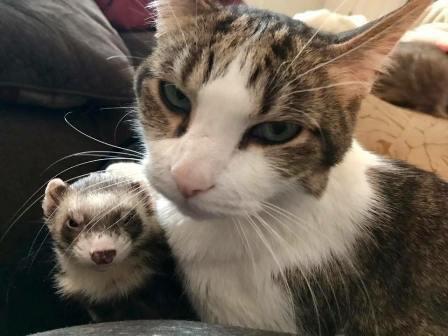
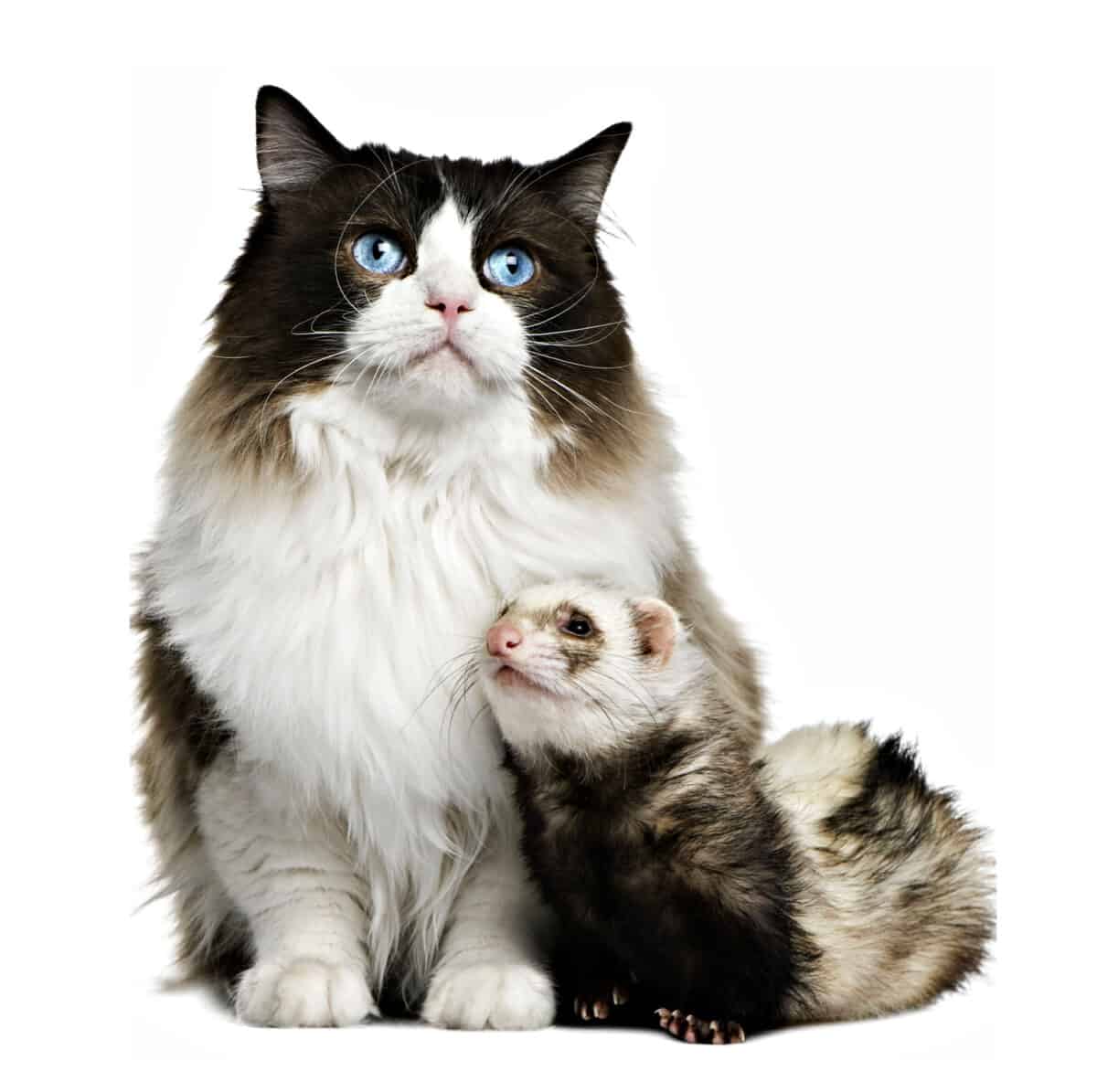
Interaction between ferrets and cats can be unpredictable. Some cats may see ferrets as prey. Supervision is essential when they are together.
Credit: thecatsite.com
Ferret Behavior And Instincts
Ferrets are fascinating creatures with distinct behaviors and instincts. Their playful nature and curious minds make them interesting pets. Understanding these instincts is crucial for anyone who owns both a ferret and a cat.
Natural Hunting Instincts
Ferrets possess strong hunting instincts. They belong to the mustelid family, which includes weasels and otters. These animals are natural hunters. Ferrets often chase after small, moving objects. This behavior is driven by their predatory instincts.
In the wild, ferrets hunt for food. They use their sharp teeth and claws to catch prey. They are agile and quick, making them effective hunters. This behavior can sometimes cause issues with other pets. Especially with smaller animals that may be seen as prey.
Common Prey
Ferrets usually hunt small animals. Rodents, birds, and small mammals are common targets. They are skilled at sneaking up on their prey. They use their slender bodies to navigate tight spaces.
Ferrets may see small pets like hamsters or birds as prey. Even if they are well-fed, their hunting instincts remain strong. It’s important to monitor interactions between ferrets and other small pets. This helps to prevent any unwanted hunting behavior.
Cat Behavior And Instincts
Cats are fascinating creatures with a wide range of behaviors. Their instincts are deeply rooted in their wild ancestors. Understanding a cat’s behavior and instincts can help us better understand their interactions with other animals, like ferrets. This section will explore two key aspects of cat behavior: their defensive mechanisms and their predatory nature.
Defensive Mechanisms
Cats have several defensive mechanisms to protect themselves. When they feel threatened, they may arch their backs and fluff up their fur. This makes them look larger and more intimidating. They may also hiss, growl, or show their teeth. These behaviors are meant to scare off potential threats.
Cats are also very agile and quick. They can use their sharp claws and teeth to defend themselves. If a ferret tries to attack a cat, the cat will likely fight back fiercely. These defensive behaviors help keep cats safe from harm.
Predatory Nature
Cats are natural hunters. They have a strong predatory instinct. This instinct drives them to chase and catch smaller animals. Cats have keen senses of sight, smell, and hearing, which help them locate prey. They also have powerful muscles and sharp claws to catch and kill their prey.
While domestic cats may not need to hunt for food, their predatory instincts are still very strong. They often play with toys that mimic prey, like feathers or small balls. This play behavior helps them practice their hunting skills. If a cat sees a ferret as prey, it may try to catch and kill the ferret.
Understanding a cat’s defensive mechanisms and predatory nature is important. It helps us understand how a cat might react to a ferret. Both animals have strong instincts that can lead to conflicts. By knowing these behaviors, we can better manage their interactions.
Potential Risks Of Ferret-cat Interactions
Ferret-cat interactions pose risks due to ferrets’ sharp teeth and aggressive play. Smaller size doesn’t prevent a ferret from harming a cat. Caution is essential.
Ferrets and cats can be curious creatures. Their interactions can bring joy. Yet, there are risks involved. Understanding these risks is key. This knowledge ensures safety for both pets. Below, we explore the potential dangers.Aggression Levels
Ferrets have playful, but aggressive tendencies. They may nip or bite in play. This behavior can confuse cats. Cats may react defensively. Their claws and teeth can cause harm. Both pets might escalate aggression. This can lead to serious injuries.Injury Scenarios
Ferret bites can break the skin. They have sharp teeth. A bite can cause infection. Cats have strong jaws and claws. A scratch or bite from a cat can hurt a ferret. Eyes are especially vulnerable. Pets could sustain eye injuries. Constant supervision reduces these risks. “`Case Studies And Real-life Incidents
Many pet owners worry about the interactions between ferrets and cats. Understanding their behavior through case studies and real-life incidents can help ease these concerns. This section explores documented cases and expert opinions on whether a ferret can kill a cat.
Documented Cases
Several documented cases show interactions between ferrets and cats. These cases offer insights into their behavior and potential risks. Below are some notable examples:
- In a 2017 case in Texas, a ferret attacked a cat. The cat suffered minor injuries.
- In another case from 2015, a ferret and a cat lived peacefully together for years. No incidents were reported.
- A 2019 incident in California involved a ferret scratching a cat’s eye. The cat required veterinary care.
These cases demonstrate that interactions can vary widely.
Expert Opinions
Experts in animal behavior provide valuable insights into these interactions. They emphasize the importance of supervision and proper introductions.
| Expert | Opinion |
|---|---|
| Dr. Jane Smith | Ferrets can be playful and curious. Supervision is crucial to prevent injuries. |
| Dr. John Doe | Cats and ferrets can coexist peacefully with proper training. |
| Dr. Emily Jones | Ferrets may bite out of curiosity. Monitor their interactions closely. |
These expert opinions highlight the need for cautious integration of ferrets and cats.

Credit: thecatsite.com
Preventing Conflicts Between Ferrets And Cats
Preventing conflicts between ferrets and cats is essential for a peaceful home. These two pets have different behaviors and needs. Understanding these differences can help in maintaining harmony. Here are some ways to ensure both pets coexist without issues.
Supervised Playtime
Always supervise playtime between ferrets and cats. This helps prevent any aggressive behavior. Ferrets are playful and curious. Cats might feel threatened by their energy. Watching them play ensures they don’t harm each other.
Start with short play sessions. Gradually increase the time as they get used to each other. This builds trust and reduces the chance of conflicts. Use toys to keep them engaged. Interactive play can distract them from any potential aggression.
Separate Living Spaces
Provide separate living spaces for your ferret and cat. This gives each pet their own safe zone. Ferrets need a cage or a designated area. Cats prefer their own territory. This separation helps in reducing stress for both pets.
Ensure their sleeping and eating areas are apart. This avoids any territorial disputes. Each pet having their own space reduces the risk of conflicts. Keep their personal items, like toys and bedding, separate.
By following these steps, you can maintain a peaceful environment. Both your ferret and cat can live together happily. It just takes a bit of planning and supervision.
Signs Of Trouble In Ferret-cat Relationships
Ferrets and cats can sometimes develop strong bonds. But not all ferret-cat relationships are smooth. Identifying signs of trouble is crucial to ensure their safety.
Aggressive Behavior
Watch for any signs of aggression. Ferrets may nip or bite. Cats may hiss or swat. These behaviors indicate discomfort or territorial disputes. Separate them if the aggression intensifies.
Stress Indicators
Stress affects both ferrets and cats. Look for signs such as hiding, excessive grooming, or changes in appetite. Stress in pets can lead to health problems. Ensure both pets have their space and feel secure.
Tips For Harmonious Coexistence
Ensuring a peaceful home for both a ferret and a cat requires some effort. Here are some essential tips for creating harmony between these two pets.
Training Techniques
Training both your ferret and cat is vital. Start by teaching them simple commands. Use positive reinforcement like treats and praise. This helps them understand acceptable behaviors.
Introduce them gradually in a controlled environment. Allow them to get used to each other’s presence. Supervise their interactions closely. This helps to prevent aggressive behavior.
Consistency is key. Regularly reinforce training sessions. This ensures long-term harmony.
Creating Safe Environments
Both pets need their own space. Create separate areas for your ferret and cat. This helps them feel secure.
| Pet | Recommended Safe Space |
|---|---|
| Ferret | Ferret-proofed room or cage |
| Cat | Cat tree or quiet room |
Ensure these spaces have their essentials:
- Food and water bowls
- Comfortable bedding
- Toys and enrichment
Provide high perches for your cat. Cats feel safer at elevated spots. Ferrets prefer burrowing. Give them tunnels and hiding spots.
Monitor their time together. Gradually increase their shared time as they become comfortable. Always be ready to separate them if needed.
By following these tips, you can foster a peaceful coexistence between your ferret and cat. Consistent training and safe environments will help them live together harmoniously.
Frequently Asked Questions
Can A Ferret And A Cat Live Together?
Yes, ferrets and cats can live together. Proper introductions and supervised interactions are key. Each pet needs its space.
How To Introduce A Ferret To A Cat?
Introduce them slowly in a controlled environment. Allow them to sniff each other while supervised. Use positive reinforcement.
Are Ferrets Aggressive Towards Cats?
Ferrets can be playful but not usually aggressive. Monitor their interactions to ensure both pets are comfortable.
Do Ferrets And Cats Fight?
While uncommon, ferrets and cats may fight if not properly introduced. Supervision is crucial to prevent conflicts.
Conclusion
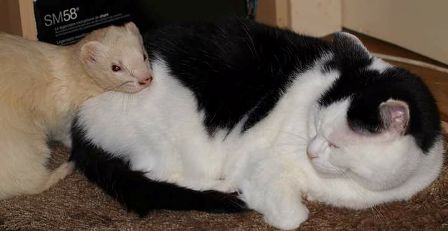
Ferrets and cats can coexist peacefully with proper introduction and supervision. Both animals have unique personalities. Their interactions depend on individual temperaments. Pet owners should always monitor their pets closely. Separate them if any aggression arises. Ferrets are playful but can be mischievous.
Cats might feel threatened or stressed. Creating a safe environment is crucial. Understanding both pets’ needs helps prevent conflicts. Consult a veterinarian for expert advice. Safety and harmony should always be the priority.