Can Chinchillas Have Almonds: Safe or Risky Treat Explained
If you have a chinchilla, you want to make sure you’re giving it the best care possible. You might be wondering, “Can chinchillas have almonds?”
It’s natural to want to share tasty treats with your furry friend, but not all human snacks are safe for them. You’ll discover whether almonds are a good choice for your chinchilla and what you should know before offering any new food.
Keep reading to protect your pet’s health and keep them happy!
Chinchilla Diet Basics
Chinchillas need a special diet to stay healthy and happy. Their digestive system is sensitive. They eat mostly fiber to keep their stomachs working well. Giving the right food helps prevent illness and keeps their fur soft.
Understanding what chinchillas should eat and what to avoid is key. A good diet supports their energy and long life. Here is a basic guide to chinchilla diet essentials.
Essential Foods For Chinchillas
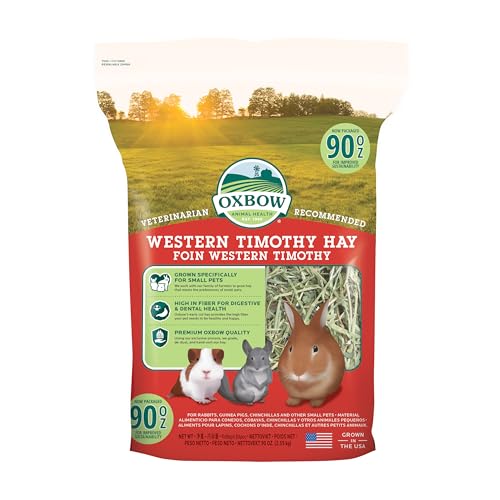
Hay is the main food for chinchillas. It helps with digestion and wears down their teeth. Timothy hay is the best choice. They also need high-quality chinchilla pellets. These pellets have all the vitamins and minerals they need.
Fresh water must be available at all times. Small amounts of safe treats like dried rose hips or plain oats can be given. These treats should be rare and small to avoid stomach problems.
Foods To Avoid
Chinchillas should not eat sugary or fatty foods. Fruits, nuts, and seeds can cause stomach upset or obesity. Almonds are too high in fat and can harm chinchillas. Avoid giving almonds or any nut to them.
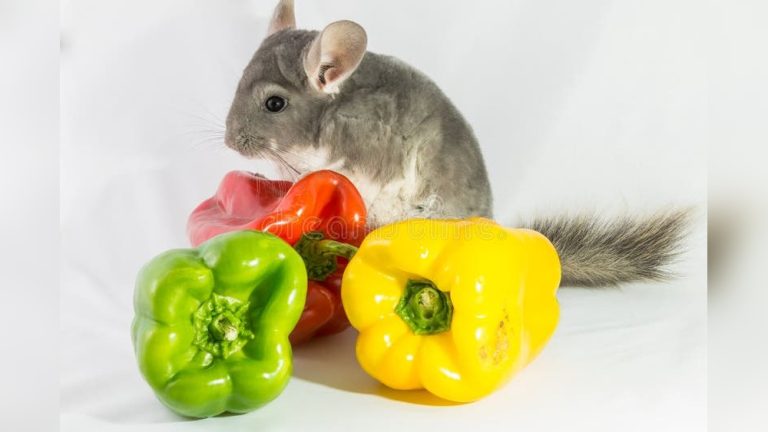
Never feed chocolate, caffeine, or anything with artificial sweeteners. These are toxic and can cause serious health issues. Avoid fresh vegetables as they have too much moisture for chinchillas.

Credit: www.reddit.com
Almonds And Chinchillas
Almonds are a popular nut enjoyed by many people worldwide. They are known for their crunchy texture and rich taste. Some pet owners wonder if chinchillas can eat almonds safely. Understanding the relationship between almonds and chinchillas helps keep pets healthy.
Chinchillas have sensitive digestive systems. Not all human foods are good for them. It is important to know the effects of almonds on these small animals before offering them as a treat.
Nutritional Content Of Almonds
Almonds are high in fat and protein. They also contain vitamins like vitamin E and minerals such as magnesium. This makes almonds a nutritious snack for humans. The fat content, however, can be too much for chinchillas. Their diet needs to stay low in fat to avoid health problems.
Potential Benefits
Almonds contain antioxidants that support body health. Small amounts could provide some nutrients to chinchillas. These include vitamin E, which helps protect cells. The minerals in almonds may also support bone strength. Still, almonds should not be a regular part of a chinchilla’s diet.
Risks Of Almonds For Chinchillas
Almonds may seem like a tasty treat, but they can be risky for chinchillas. These small pets have sensitive systems that do not handle certain foods well. Almonds pose several dangers that can harm your chinchilla’s health.
Understanding these risks helps keep your pet safe and happy. Avoid giving almonds to chinchillas to prevent serious problems.
Choking Hazards
Almonds are hard and large compared to a chinchilla’s mouth. This makes them easy to choke on. Choking can cause panic and breathing trouble. Small pets like chinchillas need soft and tiny snacks to chew safely.
Digestive Issues
Chinchillas have delicate digestive systems that struggle with fatty nuts. Almonds contain fats that can upset their stomach. Eating almonds may cause diarrhea, bloating, or pain. These symptoms lead to poor health and discomfort for your pet.
Toxic Components
Some almonds contain natural toxins that are harmful to chinchillas. Bitter almonds, in particular, have substances that can poison them. Even small amounts of these toxins can cause serious illness or death. Always avoid any almond type to protect your chinchilla.
Safe Treat Alternatives
Chinchillas need treats that are healthy and safe. Almonds are not good for them because they can upset their stomach. Many better options exist that keep your pet happy and healthy.
Choose treats that are low in fat and easy to digest. Natural snacks help chinchillas stay active and strong. Always offer small amounts to avoid any problems.
Recommended Snacks
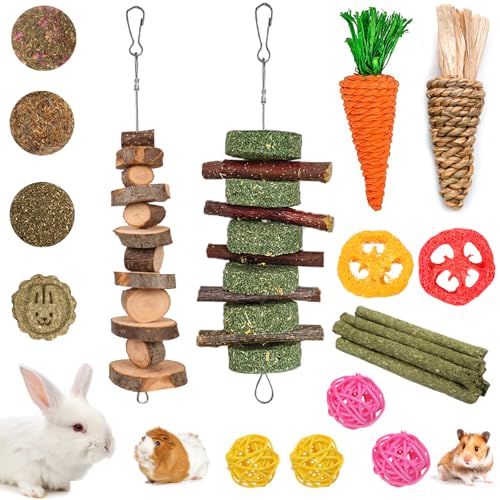
Dried rose hips are a favorite. They have vitamins and taste sweet. Plain oats provide energy and fiber without harm. Fresh herbs like parsley and cilantro are safe and refreshing. Small pieces of apple, without seeds, work well too.
Avoid sugary or salty snacks. Chinchillas have sensitive digestion and need gentle foods.
Homemade Treat Ideas
Make simple snacks at home using safe ingredients. Mix oats with a little dried fruit like raisins. Shape small balls and dry them before giving. You can also bake tiny pieces of plain hay with a drop of water. These treats are fun and keep your chinchilla interested.
Always watch how your pet reacts to new snacks. Stop feeding if you see any signs of discomfort.
Feeding Guidelines
Feeding almonds to chinchillas requires care and attention. These small animals have delicate digestive systems. Almonds can be a tasty treat but must be given in small amounts. Following proper feeding guidelines helps keep chinchillas healthy and happy.
Portion Control
Only offer a tiny piece of almond at a time. A small sliver about the size of a pea is enough. Too much can upset your chinchilla’s stomach. Avoid giving whole almonds or large chunks. Always monitor their reaction after feeding almonds.
Frequency Of Treats
Limit almond treats to once or twice a week. Chinchillas mainly need hay, pellets, and fresh water. Treats should never replace their regular diet. Overfeeding almonds can cause weight gain and digestive problems. Use treats as a special reward, not a daily snack.
Signs Of Allergic Reactions Or Illness
Chinchillas can show signs of allergic reactions or illness after eating almonds. These signs help you know if almonds do not agree with your pet. Watch your chinchilla closely for any unusual behavior or symptoms. Quick action can prevent serious health issues.
Behavioral Changes
Your chinchilla may act different if it has an allergy. It might become restless or hide more than usual. Loss of appetite is a common sign. They could also scratch or bite themselves often. Sudden changes in sleep patterns can occur. Pay attention to any new or odd behavior.
Physical Symptoms
Physical signs often show up quickly. Look for swelling around the eyes, nose, or mouth. Redness or rashes on the skin may appear. Difficulty breathing or wheezing is serious. Vomiting or diarrhea can happen too. These symptoms need immediate care to avoid harm.
When To Consult A Vet
Knowing when to see a vet for your chinchilla is very important. Chinchillas have delicate digestive systems. Some foods, like almonds, can cause problems. Watching for signs of trouble helps keep your pet safe and healthy.
Sometimes, quick action is needed. Other times, regular checkups help catch issues early. Understanding both can make a big difference for your chinchilla’s well-being.
Emergency Situations
Call a vet immediately if your chinchilla shows sudden signs of illness. Signs include vomiting, diarrhea, or refusing food. Breathing problems or swelling around the mouth also need urgent care. Quick vet visits can save your pet’s life in these cases.
Routine Checkups
Regular vet visits help catch health issues before they get worse. Schedule checkups every six months or as your vet suggests. Use these visits to discuss your chinchilla’s diet, including treats like almonds. Vets can give advice to keep your pet safe and happy.

Credit: www.youtube.com

Credit: www.reddit.com
Frequently Asked Questions
Can Chinchillas Safely Eat Almonds?
Chinchillas should not eat almonds. Almonds are high in fat and difficult for chinchillas to digest. Feeding almonds can cause digestive problems and obesity.
Why Are Almonds Bad For Chinchillas?
Almonds contain high fat and oils harmful to chinchilla digestion. Their sensitive stomachs cannot process these well, leading to health issues.
What Nuts Are Safe For Chinchillas?
Most nuts, including almonds, are unsafe for chinchillas due to fat content. Instead, offer chinchillas hay, pellets, and safe treats like dried rose hips.
How Often Can Chinchillas Have Almonds?
Chinchillas should never have almonds. Avoid feeding any nuts to chinchillas to maintain their digestive health and prevent obesity.
Conclusion
Chinchillas should not eat almonds. Almonds can cause health problems. Their digestive systems are sensitive and need special food. Stick to chinchilla-safe treats like hay and pellets. Always check with a vet before offering new foods. Keeping your pet safe and healthy is important.
Small changes in diet can make a big difference. Careful feeding helps chinchillas live longer, happier lives. Remember, not all nuts are safe for chinchillas. Choose their snacks wisely to avoid risks. Your chinchilla will thank you with good health and energy.