Are Chinchillas Affectionate: Discover Their Surprising Love Traits
Are you thinking about adding a chinchilla to your family but wonder if they show affection? You might be curious whether these fluffy little creatures can bond with you and enjoy your company.
Understanding how chinchillas express love and trust can help you decide if they’re the right pet for your home. Keep reading to discover the surprising ways chinchillas show affection—and how you can build a strong, loving connection with your new furry friend.
Chinchilla Behavior Basics
Chinchillas are small animals with unique behaviors. Understanding their nature helps in caring for them well.
They are curious and active, especially during the evening and night. Watching their habits reveals how they interact with their surroundings and humans.
Natural Temperament
Chinchillas are gentle but can be shy at first. They may hide when feeling scared or unsure. Patience is key to earn their trust.
They enjoy quiet places and dislike loud noises. Their soft fur and delicate bodies need gentle handling. Sudden movements can startle them easily.
Social Nature
These animals prefer company and often live in groups in the wild. They communicate through soft sounds and body language.
Chinchillas can bond with humans but need time to adjust. Regular, calm interaction helps build a strong connection. They enjoy playing and exploring with their trusted owners.
Signs Of Affection In Chinchillas
Chinchillas show affection in ways that may surprise many pet owners. They use both body language and sounds to express their feelings. Understanding these signs helps build a strong bond with your chinchilla. It also makes caring for them more rewarding and enjoyable.
Recognizing affection in chinchillas is simple once you know what to watch for. Their shy nature means they often use subtle cues. Paying attention to these signs reveals their true feelings.
Physical Cues
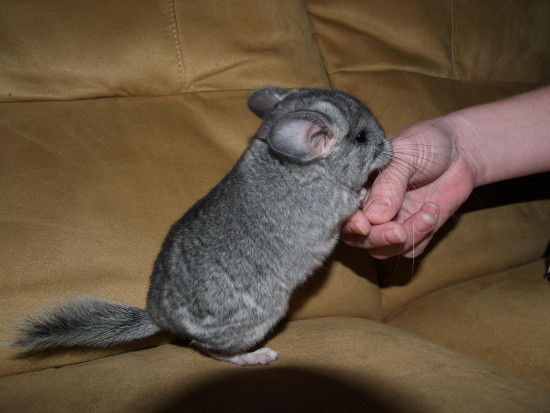
Chinchillas show love through gentle touches. They may nuzzle or softly nibble on your fingers. Sitting close or resting on you is a clear sign of trust. Grooming themselves near you also means they feel safe. Sometimes, they flick their tails or wiggle their ears happily.
Vocal Expressions
Chinchillas communicate affection with soft sounds. A quiet chirp or whistle signals happiness. They may hum or squeak when content. These noises are gentle and not loud. Listening closely helps you understand their mood better.
Building Trust With Your Chinchilla
Building trust with your chinchilla is key to a strong bond. These small animals can be shy and cautious. They need time to feel safe around you. Patience and care help your chinchilla open up. Trust grows with gentle actions and steady routines.
Understanding their needs and respecting their space shows you care. This creates a calm and happy environment for your pet. Trust is the first step to affection from your chinchilla.
Gentle Handling
Handle your chinchilla with soft hands. Avoid quick or rough movements. Hold them close but not too tight. Support their body fully to make them feel secure. Gentle touches reduce fear and build comfort. This helps your chinchilla relax during petting time.
Consistent Interaction
Spend time with your chinchilla every day. Talk softly and move calmly around them. Regular interaction helps your chinchilla learn your voice and scent. This creates familiarity and trust. Short, quiet sessions work better than long ones. Your chinchilla will start seeking your company.

Credit: www.reddit.com
Common Misconceptions About Chinchilla Affection
Many people believe chinchillas are not affectionate pets. This idea comes from their shy and quiet nature. People expect pets to show love by cuddling or licking. Chinchillas do not behave like dogs or cats.
Chinchillas show affection in small, different ways. They may not seek hugs, but they do bond with their owners. Understanding these myths helps us appreciate chinchillas better.
Chinchillas Are Not Cuddly Pets
Chinchillas do not like to be held tightly. They have delicate bones and soft fur that can be damaged. Most chinchillas prefer to stay close but not be hugged. They show trust by sitting near you or exploring your hand.
Expecting chinchillas to cuddle like other pets causes misunderstandings. Their way of affection is quiet and gentle. Respecting their space helps build a strong bond.
They Only Care About Food
Many think chinchillas only approach owners for treats. Food is a big motivator, but it is not their only interest. Chinchillas also enjoy playtime and gentle attention. They remember who feeds and cares for them.
Affection from chinchillas often shows through interaction, not just food. They may nuzzle or follow owners around. These behaviors indicate trust and fondness beyond meals.
Comparing Chinchillas To Other Pets
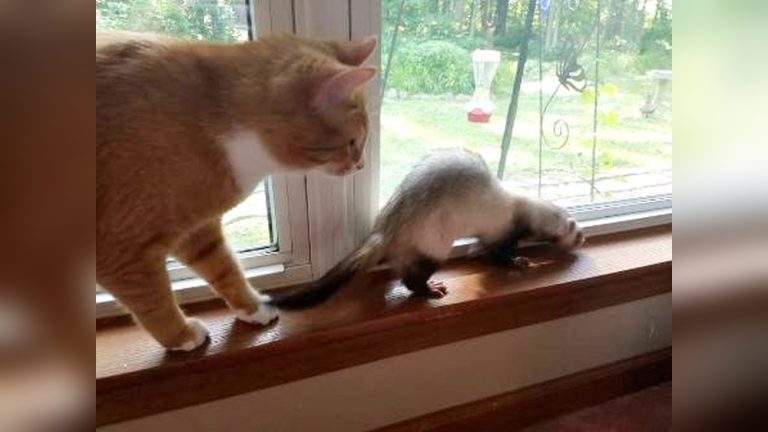
Chinchillas offer a unique pet experience different from cats, dogs, or rabbits. Their nature and ways of showing love differ greatly. Understanding these differences helps set the right expectations for pet owners. It also highlights what makes chinchillas special companions.
Affection Levels
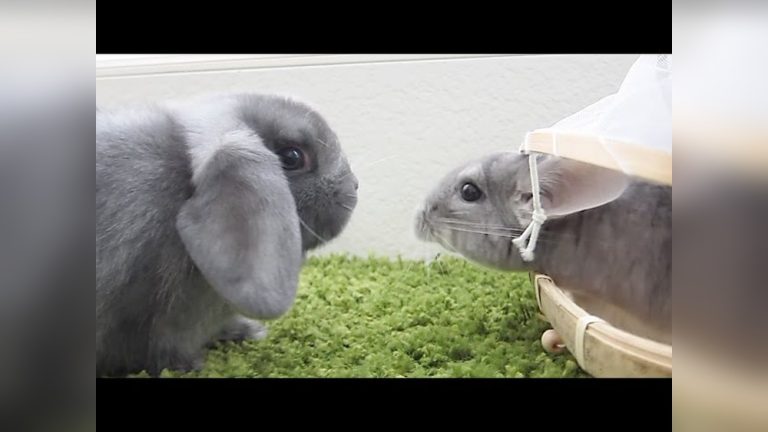
Chinchillas show affection in subtle ways. Unlike dogs that wag tails or cats that purr, chinchillas are quieter. They enjoy gentle petting and may nuzzle your hand. Their soft fur and delicate nature mean they prefer calm interactions. They do not seek attention as often as dogs or cats. Rabbits, on the other hand, may be more openly affectionate. Chinchillas need time to warm up to people before showing trust. Patience is key to seeing their gentle side.
Bonding Styles
Chinchillas bond through routine and gentle care. They remember who feeds and cares for them. This creates a quiet, trusting relationship. Dogs bond with play and physical closeness. Cats bond by choosing when to be near you. Rabbits enjoy sitting close and grooming. Chinchillas prefer calm environments and quiet moments. They can be shy but form strong bonds over time. Their trust grows with consistent, gentle handling.

Credit: www.reddit.com
Tips To Encourage Affectionate Behavior
Encouraging affectionate behavior in chinchillas takes time and patience. These small pets need trust and comfort to show love. Understanding their needs helps build a strong bond.
Try simple steps to make your chinchilla feel safe and happy. Small changes in your care routine can make a big difference in their behavior.
Creating A Safe Environment
Chinchillas need a quiet and secure space. Loud noises and sudden movements cause stress. Provide a cozy cage with hiding spots.
Keep their area clean and free from strong smells. Let them explore in a calm room. This helps chinchillas feel safe and relaxed.
Positive Reinforcement
Use treats to reward good behavior. Offer small pieces of dried fruit or nuts carefully. Speak softly and move slowly around your pet.
Repeat gentle petting sessions after treats. This teaches chinchillas to link your touch with positive feelings. Praise and patience build trust over time.
When To Seek Help For Behavioral Issues
Chinchillas are usually gentle pets, but sometimes they act out. Knowing when to seek help for behavioral issues is key. Early action can prevent bigger problems later. Understanding signs of trouble helps keep your chinchilla happy and healthy.
Signs Of Stress
Stress in chinchillas shows in many ways. They may bite or hide more than usual. Changes in eating or grooming habits can happen. Loud squeaking or constant chewing of cage bars are red flags. Watch for restless or repetitive movements too. These signs mean your pet needs attention.
Consulting A Veterinarian
Veterinarians are experts in animal health. They can diagnose problems behind behavior changes. A vet can check for illness or pain causing stress. Early visits help find issues before they get worse. Always choose a vet who knows chinchillas well. They offer the best advice and care for your pet.
Credit: cuddlebugchinchillas.com
Frequently Asked Questions
Are Chinchillas Naturally Affectionate Pets?
Chinchillas can be affectionate but in a reserved way. They bond slowly and show trust through gentle interactions. Patience helps build a loving relationship over time.
How Do Chinchillas Show Affection To Owners?
Chinchillas show affection by gentle nibbling, soft vocalizations, and sitting close. They may also groom themselves near you as a sign of trust.
Can Chinchillas Form Strong Bonds With Humans?
Yes, chinchillas can form strong bonds. Consistent handling and a calm environment encourage trust and affection between chinchillas and their owners.
Do Chinchillas Prefer Being Alone Or With Others?
Chinchillas are social animals and prefer companionship. Keeping them in pairs or groups improves their happiness and encourages affectionate behavior.
Conclusion
Chinchillas can show affection in gentle ways. They enjoy quiet time and soft touches. Patience helps build trust with them. Each chinchilla has its own personality and mood. Love and care make their bond stronger. Watching their playful actions brings joy.
Small steps lead to a happy pet. Understanding chinchillas helps create a close friendship. Their affection may surprise you over time. Enjoy the calm and fun moments together.