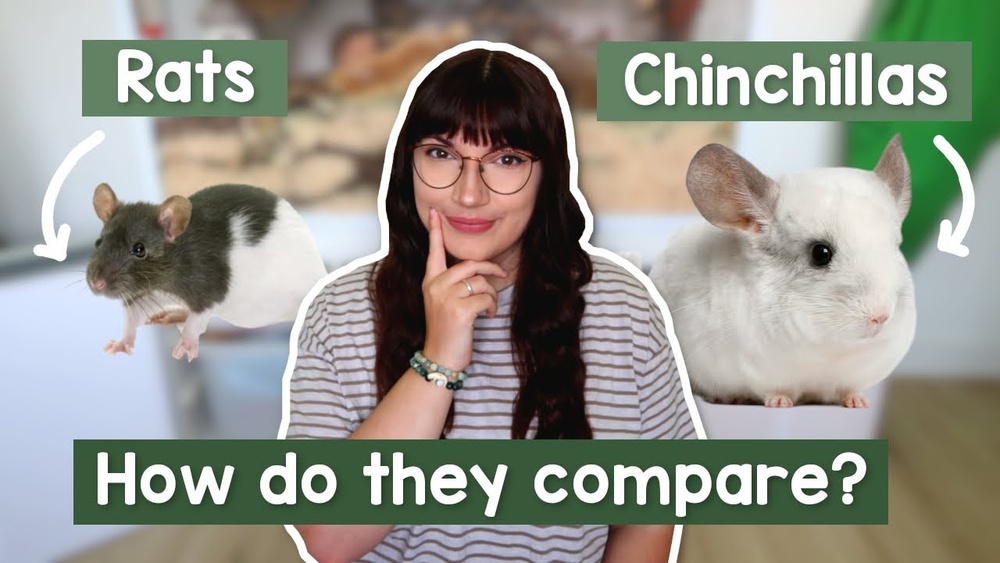
Chinchilla Vs Rat: Ultimate Pet Showdown for Your Home
Are you trying to decide between a chinchilla and a rat as your next pet? Both animals have unique traits that can make them great companions, but choosing the right one for you isn’t always easy.
You want a pet that fits your lifestyle, personality, and home. You’ll discover the key differences and surprising similarities between chinchillas and rats. By the end, you’ll feel confident about which furry friend matches your needs perfectly. Keep reading to find out what makes each pet special—and which one could be the perfect addition to your life.
Pet Characteristics
Understanding the pet characteristics helps choose the right companion. Each animal has unique traits that affect care and interaction. Here, we explore how chinchillas and rats differ in key areas.
Physical Traits
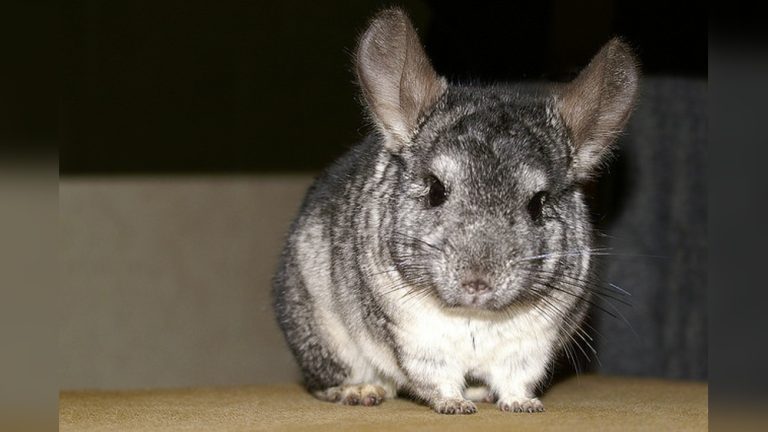
Chinchillas have soft, thick fur and round bodies. They weigh between 1 to 2 pounds. Rats are smaller with thinner fur and long tails. Their weight usually ranges from 0.5 to 1 pound. Chinchillas have large ears and big eyes. Rats have smaller ears and more pointed noses.
Lifespan Comparison
Chinchillas live longer, often reaching 10 to 15 years. Rats have a shorter life, usually 2 to 3 years. This difference affects commitment and care needs. Chinchillas require long-term planning as pets. Rats may be better for those wanting a shorter pet experience.
Behavior Patterns
Chinchillas are mostly quiet and shy animals. They enjoy jumping and exploring in safe spaces. Rats are social and active, often enjoying play and interaction. They communicate with sounds and body movements. Both pets need mental stimulation but show it differently.

Credit: samarpancollege.org
Care Requirements
Chinchillas and rats have different care needs. Knowing these needs helps keep them healthy and happy. Their diet, housing, and grooming vary a lot. Understanding these differences is important for any pet owner.
Diet And Nutrition
Chinchillas eat mostly hay and special pellets. They need a diet low in fat and sugar. Fresh water must always be available. Avoid giving them fruits or treats often.
Rats eat a mix of pellets, fresh fruits, and vegetables. They enjoy variety and need protein too. Always provide clean water. Avoid sugary or fatty foods to keep them healthy.
Housing Needs
Chinchillas need large cages with shelves for jumping. They require cool, dry places to avoid heat stress. Dust baths are essential for their fur care. The cage should be cleaned weekly.
Rats live well in multi-level cages with tunnels and toys. They enjoy social groups, so keep more than one. Bedding must be soft and changed often. Provide hiding spots for comfort.
Grooming And Maintenance
Chinchillas cannot get wet; they take dust baths to clean fur. Brush their fur gently to remove loose hair. Check their teeth regularly to prevent overgrowth.
Rats groom themselves but appreciate gentle brushing. Keep their nails trimmed to avoid scratches. Clean their cage often to prevent odor and illness.
Health And Wellness
Health and wellness are key factors in choosing between a chinchilla and a rat. Both animals need proper care to live happy, long lives. Knowing their health needs helps you provide the best environment and diet. It also helps spot problems early and reduce stress for your pet.
Common Health Issues
Chinchillas often face dental problems because their teeth grow nonstop. They can also get fur fungus if their cage is too damp. Rats may suffer from respiratory infections and tumors more often. Both pets can develop obesity without proper exercise and diet.
Preventive Care
Keep chinchilla cages dry and clean to prevent fungus and infections. Provide chew toys to help chinchillas wear down their teeth. Rats need a clean cage and fresh bedding to avoid respiratory issues. Both pets benefit from fresh water, balanced food, and daily attention.
Veterinary Costs
Chinchilla vet visits may cost more due to their unique needs. Finding a vet who knows chinchillas can be harder and pricier. Rat vets are usually easier to find and less expensive. Regular checkups for both pets prevent costly treatments later.
Interaction And Socialization
Understanding how chinchillas and rats interact with people and other pets helps choose the best pet. Both animals need social time but show it differently. This section explores their behavior with humans, other pets, and training.
Temperament With Humans
Chinchillas are shy at first and take time to trust humans. They enjoy gentle handling but prefer calm surroundings. Rats are curious and friendly, often seeking attention from their owners. They adapt quickly to new people and enjoy playing.
Compatibility With Other Pets
Chinchillas usually prefer to live without other types of pets nearby. Loud animals may scare them. Rats are more flexible and can live with other small animals if introduced carefully. Both pets need safe spaces away from bigger pets like cats or dogs.
Training And Handling
Chinchillas need slow, careful handling to avoid stress. They respond best to quiet, gentle training sessions. Rats learn tricks and commands faster and enjoy interactive play. Both animals benefit from regular, short training times to build trust.
Cost And Commitment
Choosing between a chinchilla and a rat involves thinking about cost and commitment. Both pets need care, but their needs and expenses differ. Understanding these differences helps you decide which pet fits your lifestyle and budget.
Initial Investment
Chinchillas need a large cage with shelves and dust bath supplies. Their cages can cost more than $100. Rats require a smaller cage, often under $50. Both need food bowls and water bottles. Chinchillas may need special heating lamps to stay warm.
Ongoing Expenses
Chinchillas eat special pellets and hay, which cost more than rat food. They need dust baths weekly, and dust costs add up. Rats eat cheaper pellets and fresh fruits or veggies. Bedding for chinchillas and rats must be replaced regularly. Vet visits for chinchillas can be pricier than for rats.
Time And Attention
Chinchillas are active and need daily playtime outside the cage. They can be shy, so patience is key. Rats are social and enjoy being handled often. Rats need less space to explore but want attention every day. Both pets thrive with care but differ in how much time they require.

Credit: www.youtube.com
Choosing The Right Pet
Choosing the right pet is a big decision. It affects your daily routine and home life. Both chinchillas and rats make great pets. Each has unique needs and traits. Understanding these helps you find the best match for you.
Lifestyle Considerations
Chinchillas are active mostly at night. They need quiet and calm during the day. Rats are social and enjoy company. They play during the day and night. Your schedule should fit your pet’s habits. Chinchillas need less interaction daily. Rats require more attention and bonding time. Think about how much time you can spend with your pet.
Space Availability
Chinchillas need large cages with shelves for jumping. They require a cool, dry space. Rats need less room but enjoy exploring. They like tunnels, toys, and climbing spots. Both pets need safe areas free from hazards. Assess your home space carefully before choosing. A cramped space can stress your pet and cause health problems.
Allergy And Sensitivity Factors
Some people are allergic to chinchilla fur or dust. Chinchillas need dust baths, which can spread dust in the air. Rats produce less dust but can trigger allergies too. Clean cages often to reduce allergens. Consider your family’s allergy history before deciding. Pet allergies can affect both adults and children.

Credit: commons.wikimedia.org
Frequently Asked Questions
What Are The Main Differences Between Chinchillas And Rats?
Chinchillas have dense fur and live longer, around 10-20 years. Rats have shorter fur and a lifespan of 2-3 years. Chinchillas need dust baths; rats require different grooming. Both have distinct care and social needs.
Which Pet Is Easier To Care For: Chinchilla Or Rat?
Rats are generally easier to care for due to their simpler grooming and smaller space needs. Chinchillas require dust baths and a cooler environment. Both need regular cleaning and social interaction, but rats adapt better to beginner pet owners.
Are Chinchillas Or Rats Better For Apartment Living?
Rats are better suited for apartment living because they need less space and less specialized care. Chinchillas require cool temperatures and more room to jump. Both pets need daily attention, but rats are more adaptable to smaller spaces.
How Do Chinchillas And Rats Differ In Diet?
Chinchillas eat mostly hay, pellets, and occasional treats like dried fruits. Rats have a more varied diet, including pellets, fresh fruits, vegetables, and occasional protein. Both need fresh water and balanced nutrition for health.
Conclusion
Chinchillas and rats both make interesting pets with different needs. Chinchillas need more space and cooler temperatures to stay happy. Rats are smaller and easier to care for in small homes. Both animals can be friendly and smart if you spend time with them.
Think about your lifestyle and what pet fits best. This helps you enjoy your new friend for a long time. Choose wisely and enjoy the company of your new pet.