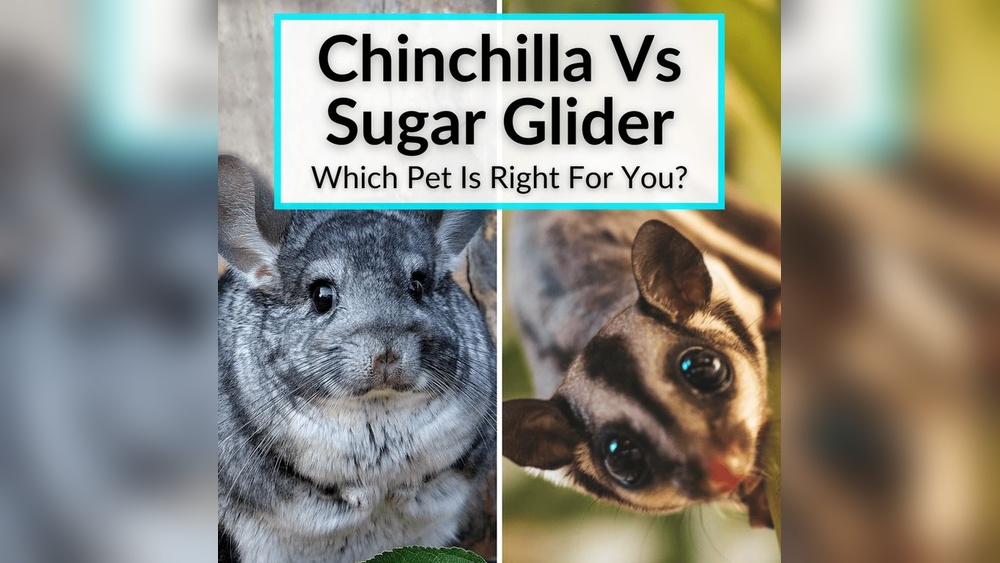
Chinchilla Vs Sugar Glider: Ultimate Pet Showdown Guide
Are you torn between choosing a chinchilla or a sugar glider as your next pet? Both are adorable, unique, and full of personality, but they come with very different needs and care routines.
Knowing which one fits your lifestyle can save you time, money, and a lot of stress. You’ll discover the key differences that matter most—so you can make the best choice for you and your home. Keep reading to find out which furry friend will truly be your perfect match.
Pet Overview
Choosing the right pet means knowing their needs and traits well. Both chinchillas and sugar gliders are small, unique animals. They bring different qualities to a home. Understanding their basics helps in making a smart choice. Here is a clear look at each pet.
Chinchilla Basics
Chinchillas are rodents from South America. They have very soft, thick fur. Their fur keeps them warm in cold places. Chinchillas are active mostly at night. They enjoy jumping and climbing in their cages. These pets need dust baths to keep clean. They can live 10 to 20 years with care. Chinchillas are quiet but can be shy. They need a calm and steady environment.
Sugar Glider Basics
Sugar gliders are small marsupials from Australia. They have a special skin flap to glide through air. These pets are social and like company. Sugar gliders are active at night and sleep during day. They communicate with soft sounds and scents. Their diet includes fruits, insects, and nectar. Sugar gliders need space to climb and glide. They can bond closely with their owners. These animals live about 10 to 15 years.

Credit: www.youtube.com
Appearance And Size
The appearance and size of chinchillas and sugar gliders differ greatly. These traits affect their care and how they fit as pets. Knowing their size and looks helps in choosing the right pet.
Chinchilla Traits
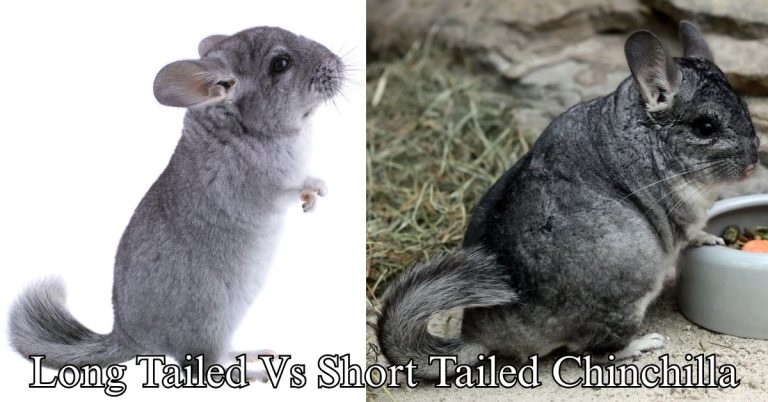
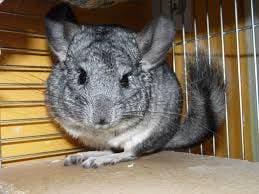
Chinchillas have thick, soft fur that feels like velvet. Their fur is usually gray, but can be white or beige. They have large, round ears and bushy tails. Chinchillas weigh between 1 to 1.5 pounds. Their body length is about 9 to 14 inches. They look quite fluffy and round. Their eyes are large and dark, giving a gentle look.
Sugar Glider Traits
Sugar gliders have smooth fur with gray or brown colors. They have a black stripe running from nose to back. Their eyes are big and black, perfect for night vision. Sugar gliders weigh much less, about 4 to 5 ounces. Their body length is 6 to 8 inches, plus a long tail. Their tails help with balance and climbing. They have a flap of skin between legs for gliding.
Temperament And Behavior
Temperament and behavior are key factors in choosing a pet. Both chinchillas and sugar gliders have unique traits. Understanding their personalities helps in caring properly. Each animal offers a different experience as a companion.
Chinchilla Personality
Chinchillas are calm and gentle animals. They enjoy quiet environments and soft handling. These pets are shy at first but warm up slowly. They prefer routine and can be sensitive to loud noises. Chinchillas are mostly active during the evening. They love to explore and chew on safe toys. They rarely show aggression but need patience to build trust.
Sugar Glider Personality
Sugar gliders are lively and social creatures. They love attention and bonding with owners. These pets are active at night and need space to glide. Sugar gliders can be noisy and playful. They form strong bonds and enjoy cuddling. They require more interaction than chinchillas. Without enough social time, they may become lonely or stressed.
Housing Needs
Proper housing is key to keeping chinchillas and sugar gliders healthy. Each pet has unique space and environment needs. Creating the right habitat helps them feel safe and happy.
Understanding these needs guides you in choosing the best cage and setup. Both animals need room to move and play, but their housing styles differ.
Chinchilla Habitat
Chinchillas require tall cages with multiple levels. They love to jump and climb. Wire cages with solid floors work best to protect their feet.
The cage must have good ventilation to keep the air fresh. Avoid plastic cages; chinchillas chew on everything. Provide hiding spots and shelves for resting.
Keep the cage in a cool, dry place. Chinchillas cannot handle heat well. Their habitat should stay below 75°F to prevent health issues.
Sugar Glider Habitat
Sugar gliders need a tall, spacious cage for climbing and gliding. The cage bars should be close to prevent escapes. Provide branches and ropes for exercise.
They need nesting pouches or boxes for sleeping. Sugar gliders are social and prefer to live in pairs or groups. Their habitat should be in a quiet, dim area.
Keep the temperature between 70°F and 90°F. Sugar gliders are sensitive to cold. Add toys and safe materials for chewing and playing.
Diet And Nutrition
Diet and nutrition play a key role in the health of pets. Both chinchillas and sugar gliders have unique dietary needs. Feeding them correctly ensures they stay active and happy.
Chinchilla Diet
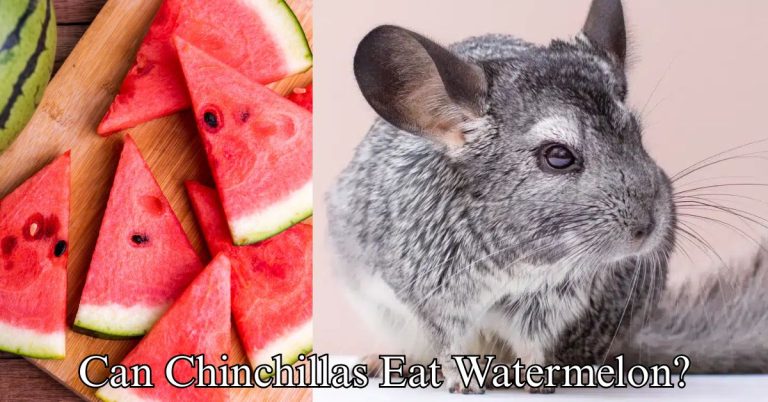
Chinchillas eat mostly hay and pellets. Hay helps keep their teeth healthy and digestion smooth. Pellets give them important vitamins and minerals. Fresh water is a must every day. Avoid sugary or fatty treats. These can harm their stomach and teeth. Small amounts of dried fruits can be offered sometimes.
Sugar Glider Diet
Sugar gliders need a mix of protein, fruits, and veggies. They eat insects like mealworms for protein. Fresh fruits like apples and berries provide vitamins. Vegetables such as carrots are good too. Special sugar glider pellets help cover nutrition gaps. Always give clean water. Avoid too much sugar or dairy products.
Credit: www.petplace.com
Health And Lifespan
Health and lifespan are key factors to consider when choosing between a chinchilla and a sugar glider. Both animals have unique needs that affect their well-being. Understanding these needs helps provide a long, healthy life for your pet.
Chinchillas are known for their dense fur and active nature. Their health depends on proper care and environment. Sugar gliders are small, nocturnal marsupials that require special attention to diet and habitat. Each species has its own challenges and strengths in health and lifespan.
Chinchilla Health Tips
Chinchillas need dust baths to keep their fur clean. Regular dust baths prevent skin problems and fur loss. Avoid water baths; chinchillas can catch cold easily. Provide a cool, dry place to avoid heat stress. Use a balanced diet rich in fiber and low in fat. Fresh hay is essential for their digestion. Check teeth often; chinchillas’ teeth grow continuously. Provide chew toys to prevent dental issues. Monitor their activity level for signs of illness. Early vet visits improve recovery chances.
Sugar Glider Health Tips
Sugar gliders need a balanced diet with protein, fruits, and vegetables. Avoid sugary or fatty foods that cause health problems. Fresh water must be available at all times. Their cage should have enough space for climbing and jumping. Keep the habitat clean to prevent infections. Sugar gliders are social animals; loneliness can lead to stress. Watch for changes in behavior or eating habits. Regular vet checkups help catch diseases early. Provide safe toys to keep them active and healthy.
Handling And Socialization
Handling and socialization are key for both chinchillas and sugar gliders. These pets need gentle care and time to build trust. Understanding their social habits helps create a strong bond. Each animal has unique ways of interacting with people.
Chinchilla Interaction
Chinchillas are quiet and calm pets. They like gentle handling and soft voices. They may be shy at first and need slow, careful touches. Chinchillas enjoy short play sessions outside their cage. They prefer being held close to the chest for security. Regular handling helps chinchillas feel safe and relaxed. They do not like being grabbed quickly or squeezed. Patience and calm actions make chinchillas more comfortable over time.
Sugar Glider Interaction
Sugar gliders are active and social animals. They bond deeply with their owners and need daily attention. These pets enjoy climbing on hands and shoulders. Sugar gliders can be noisy and playful during interaction. They like to nibble gently as a form of communication. Nighttime is when sugar gliders are most active and playful. Consistent handling builds trust and reduces stress. Sugar gliders need time to adjust to new people and surroundings.
Cost And Maintenance
Choosing between a chinchilla and a sugar glider involves thinking about cost and maintenance. Both pets need care but differ in daily needs and expenses. Knowing these details helps make a smart choice.
Chinchilla Expenses
Chinchillas need a large cage with good ventilation. The cage cost can be $100 to $200. They require soft bedding, which costs around $10 to $20 monthly. Their diet includes hay, pellets, and treats, about $15 monthly. Dust baths are essential and cost about $5 per bath. Veterinary visits may cost $50 to $100 each time. Overall, initial setup is higher, but monthly costs stay moderate.
Sugar Glider Expenses
Sugar gliders need a tall cage costing $150 to $250. They eat fresh fruits, vegetables, and special pellets, costing $20 to $30 monthly. They need toys and branches for climbing, adding $20 or more. Veterinary care is important and can cost $60 to $120 per visit. Their maintenance requires daily attention and a varied diet. Monthly expenses tend to be higher than chinchillas.
Suitability For Families
Choosing a pet suitable for families involves many factors. Safety, care, and interaction are key points. Both chinchillas and sugar gliders can be great pets. Yet, they differ in how well they fit with kids. Understanding these differences helps parents pick the right pet.
Chinchilla With Kids
Chinchillas are gentle and calm animals. They rarely bite and enjoy being held carefully. Kids can learn to be responsible by helping with feeding and cleaning. Chinchillas need quiet time and gentle handling. They may get scared by loud noises or rough play. Supervision is important to keep both the pet and child safe. Chinchillas live longer, so they need long-term care commitment.
Sugar Glider With Kids
Sugar gliders are active and social creatures. They bond closely with their owners and enjoy playtime. Kids must be patient and gentle when interacting with sugar gliders. These pets are nocturnal, so they are more awake at night. They require more attention and social interaction daily. Sugar gliders may nip if scared or stressed. Adult supervision is essential during playtime. They need a larger commitment to time and care.

Credit: www.youtube.com
Final Pet Choice Factors
Choosing between a chinchilla and a sugar glider involves more than just preference. The final decision depends on factors like your daily routine and ability to care long-term. Both pets need special attention but differ in their care needs. Understanding these factors helps pick the right pet for your home.
Lifestyle Compatibility
Chinchillas are quiet and prefer cooler rooms. They are active at night but need calm environments. Sugar gliders are social and need more interaction. They thrive in lively homes with plenty of playtime. Consider your daily schedule and noise tolerance. Your lifestyle should match the pet’s activity and care needs.
Long-term Commitment
Chinchillas can live up to 15 years with proper care. Sugar gliders usually live around 10-12 years. Both require daily feeding, cleaning, and social time. Chinchillas need dust baths and a safe cage setup. Sugar gliders need bonding and space to glide. Be ready for a long-term responsibility before choosing.
Frequently Asked Questions
What Are The Main Differences Between Chinchillas And Sugar Gliders?
Chinchillas have dense fur and prefer dry environments, while sugar gliders are small, nocturnal marsupials that glide. Chinchillas are quieter and less social, whereas sugar gliders need more attention and social interaction.
Which Pet Is Easier To Care For, Chinchilla Or Sugar Glider?
Chinchillas require less daily interaction and are easier to maintain. Sugar gliders need more social time, a specialized diet, and a complex habitat. Overall, chinchillas are generally easier for beginners.
Are Chinchillas Or Sugar Gliders Better For Small Homes?
Chinchillas need spacious cages but less floor space due to climbing. Sugar gliders need vertical space for gliding and more social engagement. Chinchillas tend to be better suited for small homes.
How Do Chinchilla And Sugar Glider Diets Differ?
Chinchillas eat mainly hay, pellets, and occasional treats. Sugar gliders require a balanced diet of fruits, vegetables, protein, and specialized nectar. Both need fresh water daily.
Conclusion
Choosing between a chinchilla and a sugar glider depends on your lifestyle. Both pets need care, time, and attention. Chinchillas enjoy quiet and cool spaces. Sugar gliders are social and active at night. Think about your home and schedule before deciding.
Each pet offers unique joy and challenges. Choose the one that fits your daily life best. Your new friend will bring fun and companionship. Care and love will make your pet happy.