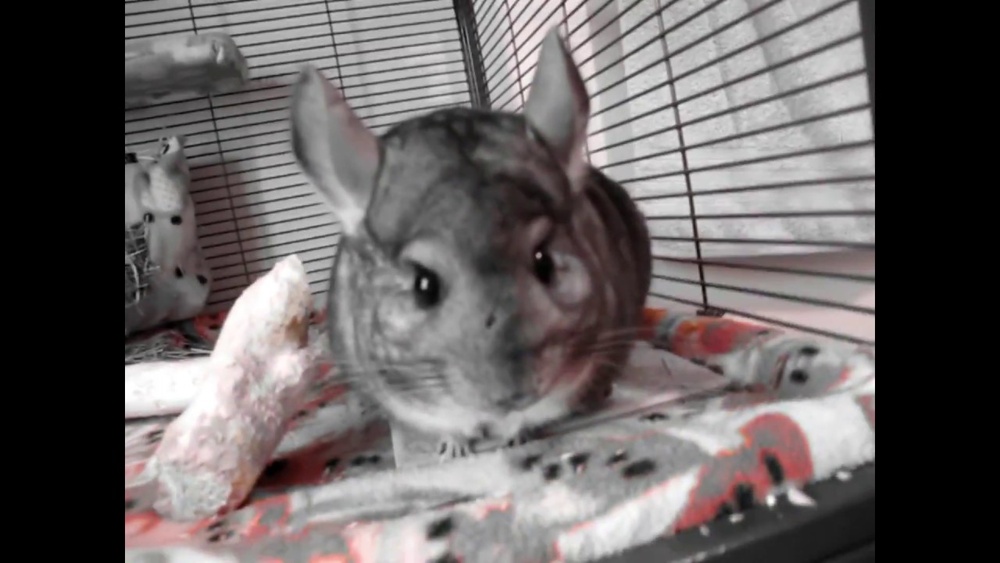
Can Chinchillas Live Alone: Essential Facts Every Owner Must Know
Are you thinking about bringing a chinchilla into your home? One big question you might have is: can chinchillas live alone?
Understanding their social needs is key to keeping your furry friend happy and healthy. If you want to know whether your chinchilla can thrive solo or needs a companion, keep reading. This guide will help you make the best choice for your pet’s well-being and your peace of mind.
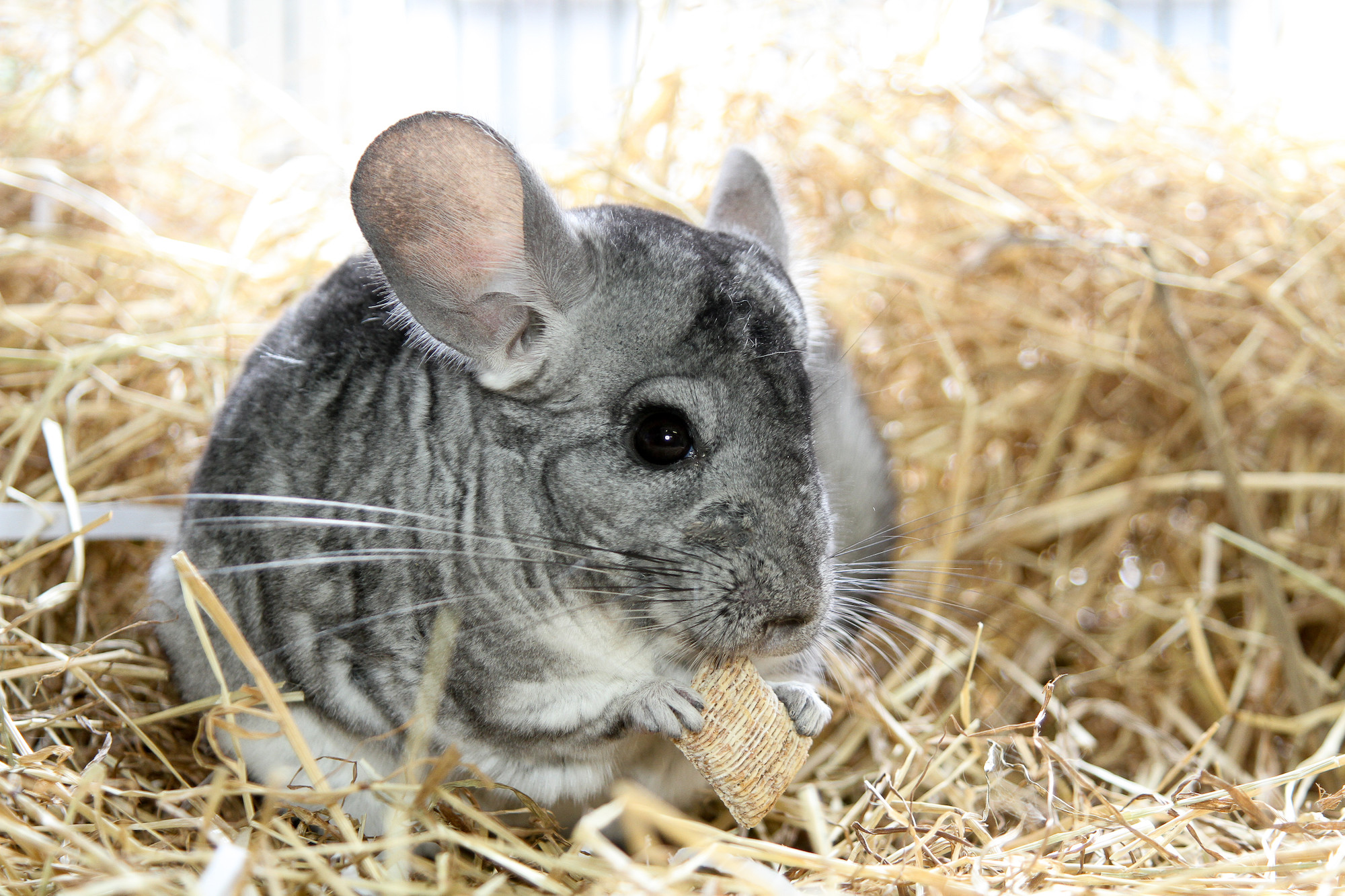
Credit: www.bluecross.org.uk
Chinchilla Social Needs
Chinchillas are social creatures that enjoy interaction. Their social needs affect their health and happiness. Understanding these needs helps provide the best care.
Chinchillas can live alone, but they often thrive with company. Knowing their natural habits and signs of loneliness is key.
Natural Behavior In The Wild
In the wild, chinchillas live in groups called colonies. These groups provide safety and warmth. They communicate using sounds and body language. Group living helps them find food and avoid predators.
Signs Of Loneliness
A lonely chinchilla may act restless or quiet. It might stop eating or become less active. Sometimes, it overgrooms or shows stress behaviors. Watch for changes in sleeping or playing habits. These signs mean your chinchilla needs more social interaction.
Benefits Of Companionship
Companionship reduces stress and boosts mood. Chinchillas with friends play more and stay active. They groom each other, which helps with bonding. Friendly interaction keeps their minds sharp. A happy chinchilla often lives longer and healthier.

Credit: www.reddit.com
Living Solo: Pros And Cons
Chinchillas can live alone, but it comes with both good and bad points. Understanding these helps you decide if a single chinchilla fits your home. Solo living affects their health, mood, and care needs.
Each chinchilla has its own personality. Some enjoy company, while others prefer being alone. Let’s explore the pros and cons of keeping one chinchilla by itself.
Advantages Of A Single Chinchilla
One chinchilla is easier to manage. Fewer animals mean less cleaning and less food to buy. You can give one chinchilla more attention and time. Solo chinchillas often bond well with their owners. They may show more trust and affection. Having one chinchilla reduces risks of fights. This is helpful for shy or nervous chinchillas.
Challenges Faced By Alone Chinchillas
Loneliness is a big challenge for solo chinchillas. They are social animals by nature. A single chinchilla might feel bored or sad. This can lead to unhealthy behaviors like chewing cage bars. They may need more toys and activities to stay happy. Also, a solo chinchilla depends fully on you for social needs. Missing playtime or interaction can hurt their mood.
When Solo Living Is Suitable
Some chinchillas do well alone. This suits those with shy or aggressive personalities. Solo living fits owners with little time for multiple pets. It works when you provide daily play and care. A single chinchilla needs more attention from you. If you meet their needs, a solo chinchilla can live happily.
Introducing A New Chinchilla
Introducing a new chinchilla to your home requires careful planning and patience. Chinchillas are social animals but need time to adjust to new friends. A smooth introduction helps avoid stress and fights. This section covers the best way to bring a new chinchilla into your family.
Timing And Preparation
Choose a quiet time for introductions. Avoid days with loud noises or many visitors. Prepare a neutral space where both chinchillas feel safe. Clean the area to remove old smells. Provide enough food, water, and hiding spots. Make sure both chinchillas are healthy before meeting.
Step-by-step Introduction Process
Start by placing the chinchillas in separate cages close together. Let them see and smell each other without direct contact. After a few days, allow short supervised visits in a neutral area. Watch their behavior carefully. Gradually increase the time they spend together. Separate them if you notice signs of aggression. Repeat visits until they seem calm and curious.
Monitoring Interaction
Always watch new chinchillas during their first meetings. Look for signs of fighting or stress like biting or loud noises. Praise calm and friendly behavior with treats or gentle petting. Keep visits short at first and increase time slowly. Separate them if fights occur and try again later. Regularly check their cages for any damage or stress signs. Patience is key for a happy chinchilla pair.
Enhancing Solo Chinchilla Life
Chinchillas can live happily alone with the right care and attention. Solo chinchillas need a special environment to stay active and healthy. Creating a space that feels safe and fun helps prevent loneliness. Understanding their needs is key to enhancing their life.
Environmental Enrichment Ideas
Provide a large cage with many levels for climbing and jumping. Use hiding places like tunnels and small boxes. Add soft bedding for comfort and warmth. Place dust baths nearby to keep their fur clean. Fresh air and natural light help keep chinchillas happy and healthy.
Daily Interaction Tips
Spend time with your chinchilla every day. Talk softly and gently pet them to build trust. Play short games to keep them interested. Let them explore a safe area outside the cage under supervision. Regular interaction reduces stress and boredom.
Toys And Activities To Prevent Boredom
Offer chew toys made from safe wood or pumice stones. Rotate toys often to keep things fresh and exciting. Use hanging ropes and swings to encourage movement. Puzzle feeders challenge their mind and provide treats. These activities keep chinchillas busy and happy.
Health And Behavior Indicators
Understanding your chinchilla’s health and behavior is important. These indicators show if your pet is happy and well. Watching closely helps spot problems early. Healthy chinchillas are active, curious, and eat well. Changes in behavior or health can mean stress or illness.
Recognizing Stress Symptoms
Stress in chinchillas can cause many problems. They may stop eating or become very quiet. Watch for biting cage bars or over-grooming. A stressed chinchilla may also hide more often. Early signs help you act before health worsens.
Behavioral Changes To Watch
Sudden changes in behavior need attention. If your chinchilla becomes aggressive or lethargic, something may be wrong. Less play or less grooming can signal illness. Notice if your pet loses weight or seems restless. These signs often mean your chinchilla needs care.
When To Seek Veterinary Advice
Contact a vet if your chinchilla shows serious signs. Refusing food for more than a day is urgent. Difficulty breathing or swelling are emergencies. A vet can diagnose and treat health problems early. Quick action improves your chinchilla’s chance of recovery.

Credit: www.rspca.org.uk
Frequently Asked Questions
Can Chinchillas Live Alone Happily?
Yes, chinchillas can live alone if given enough attention and stimulation. They are social but can adapt to solo life with proper care.
Do Chinchillas Need Companions For Mental Health?
Chinchillas benefit from companions for social interaction. However, single chinchillas can stay mentally healthy with regular human engagement.
How To Keep A Single Chinchilla Entertained?
Provide toys, dust baths, and daily playtime. Interaction and environmental enrichment help prevent boredom in solitary chinchillas.
Is It Better To Keep Chinchillas In Pairs?
Pairs can enhance social behavior and reduce loneliness. Yet, careful introduction is crucial to avoid fighting between chinchillas.
Conclusion
Chinchillas can live alone, but they need extra care. They may feel lonely without a friend. Owners must spend time playing and bonding daily. A happy chinchilla needs attention and a safe space. Keep their environment clean and provide toys for fun.
Watching their behavior helps spot any signs of stress. Single chinchillas can thrive with love and proper care. Think about your time and ability before choosing one pet. Your chinchilla will thank you with trust and joy.