Chinchilla Vs Hamster: Ultimate Pet Showdown You Must Know
Are you thinking about adding a small furry friend to your home but can’t decide between a chinchilla and a hamster? Choosing the right pet can feel overwhelming, especially when both seem adorable and low-maintenance.
But what if you knew exactly how each one fits into your lifestyle, personality, and daily routine? You’ll discover the key differences that matter most to you—so you can make a choice you’ll feel confident and happy about every single day.
Ready to find out which little companion is the perfect match for you? Keep reading!
Pet Size And Appearance
Size and appearance matter a lot when choosing a pet. Both chinchillas and hamsters have unique looks and sizes. These factors affect their care and how they fit in your home. Understanding their physical traits helps in making the right choice.
Chinchilla Features
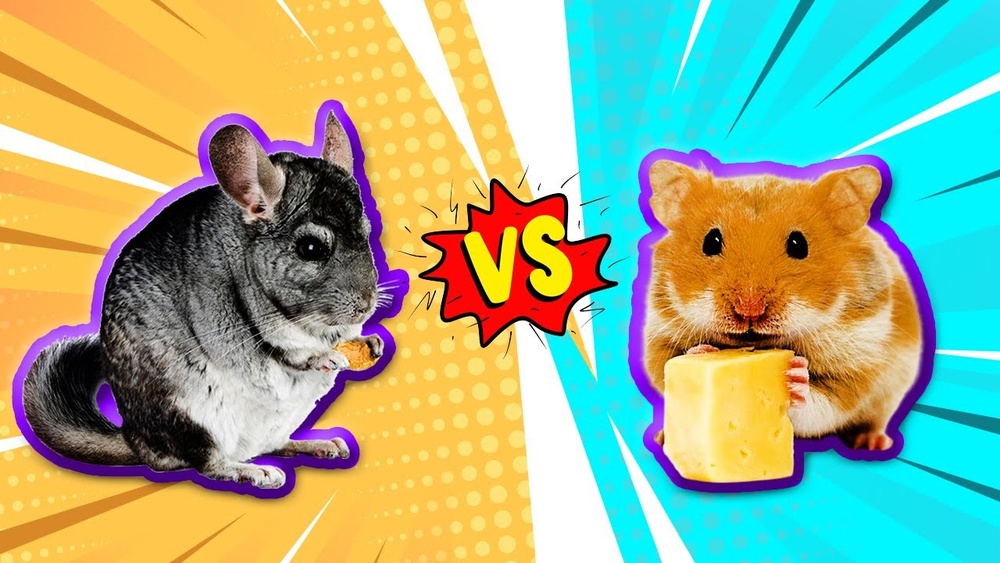
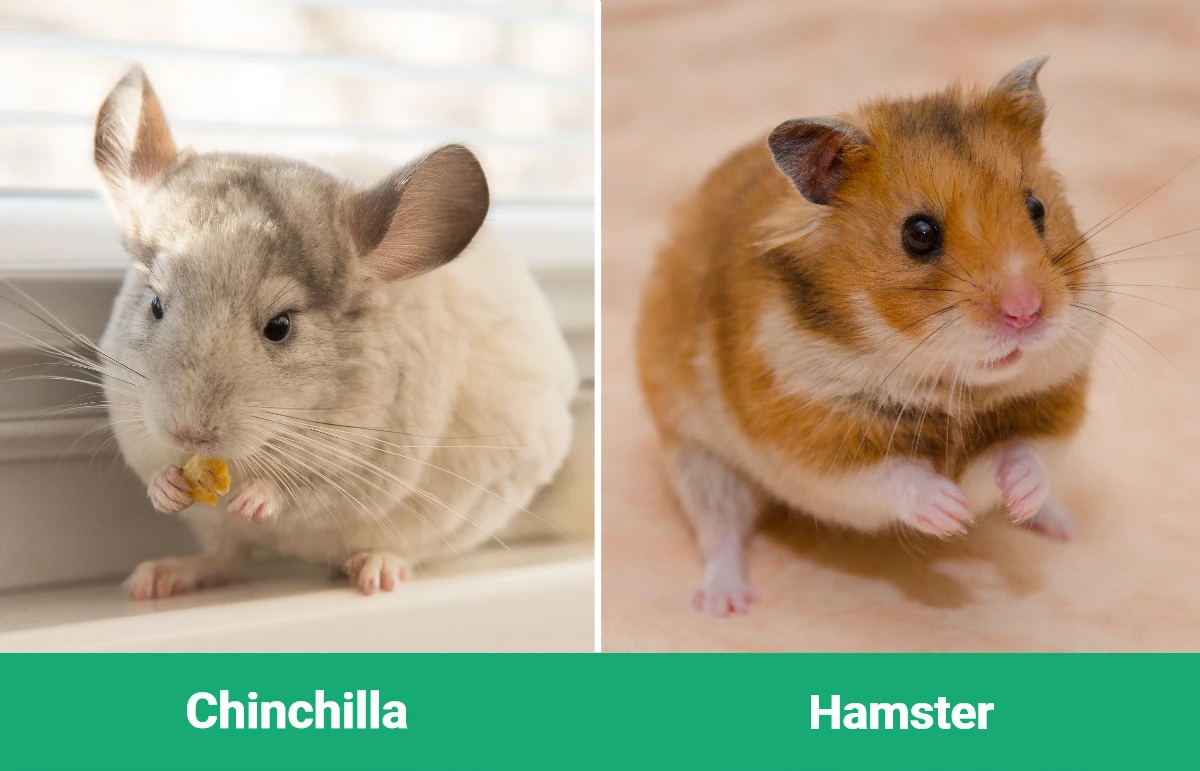
Chinchillas are larger than hamsters. They weigh between 1 to 3 pounds. Their bodies are about 9 to 14 inches long. They have thick, soft fur that is very dense. This fur protects them in cold mountain climates. Their ears are round and big, helping them hear well. Chinchillas have bushy tails and strong back legs. Their eyes are dark and bright. These features give chinchillas a cute, fluffy look.
Hamster Features
Hamsters are small rodents, usually 2 to 6 inches long. Their weight is around 0.5 to 1.5 ounces. Hamsters come in different colors like golden, white, or gray. They have short, smooth fur and small ears. Hamsters have short tails that are almost invisible. Their cheeks can store food, which makes their face look puffy. Hamsters have tiny legs and small eyes. They look compact and round, perfect for small spaces.

Credit: sigra.com
Lifespan And Health
Understanding the lifespan and health of pets helps in making smart choices. Both chinchillas and hamsters are popular small pets. Each has unique needs and challenges related to their health and how long they live.
Chinchilla Lifespan
Chinchillas live much longer than many small pets. Their average lifespan is 10 to 20 years. With good care, some live even longer. They need a cool, dry environment to stay healthy. A balanced diet also supports their long life.
Hamster Lifespan
Hamsters have a shorter life compared to chinchillas. Most hamsters live about 2 to 3 years. Some types may live up to 4 years. Their lifespan depends on species and care quality. Proper diet and clean cages help improve their health.
Common Health Issues
Chinchillas can face dental problems due to continuous tooth growth. They also risk heatstroke if it gets too warm. Respiratory infections are common if their cages are not clean.
Hamsters often suffer from wet tail, a serious intestinal illness. They also may get respiratory infections. Dental problems and skin mites are other common issues. Regular cleaning and vet visits prevent many problems.
Habitat And Cage Needs
Creating the right home is key for both chinchillas and hamsters. Their habitat affects health and happiness. Each needs a cage that fits its size and habits. Space, bedding, and ventilation matter a lot. This section explains what each pet needs for a cozy and safe place.
Chinchilla Housing
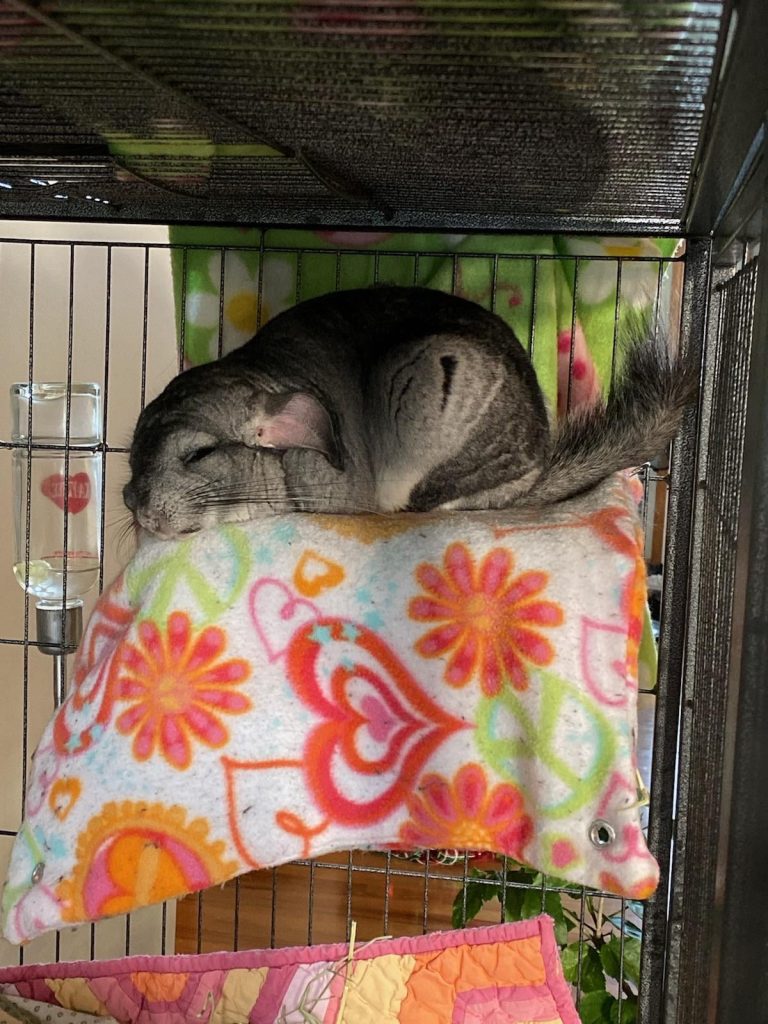
Chinchillas need large, multi-level cages. They love to jump and climb. A cage at least 24 by 24 inches and 24 inches tall works well. Metal bars are best to prevent chewing damage. Solid floors help protect their delicate feet.
Provide shelves and ramps for activity. Avoid plastic parts since chinchillas chew them. Keep the cage in a cool, dry room. Chinchillas do not handle heat well. Use dust-free bedding like aspen shavings or paper.
Hamster Housing
Hamsters need smaller but secure cages. A minimum size of 12 by 18 inches is good. Wire cages with plastic bases are common. The base should be deep for bedding. Bedding like paper or wood shavings helps burrowing.
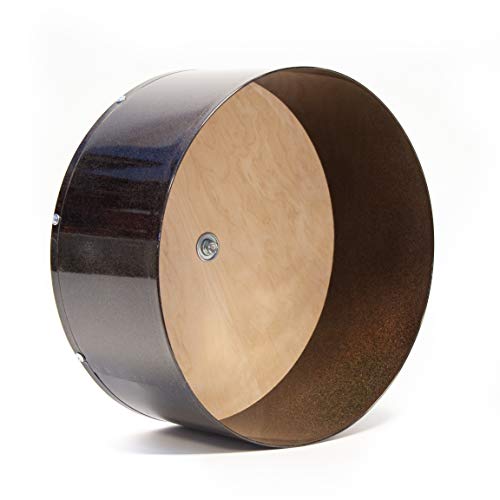
Include tunnels and hiding spots for play and rest. Hamsters also need a solid exercise wheel. Place the cage away from direct sunlight and drafts. Clean the cage weekly to keep it fresh and safe.
Credit: sigra.com
Diet And Nutrition
Proper diet and nutrition are essential for the health of chinchillas and hamsters. Both animals need specific foods to thrive. Their diets support energy, growth, and overall well-being. Understanding these needs helps provide the best care.
Chinchilla Diet
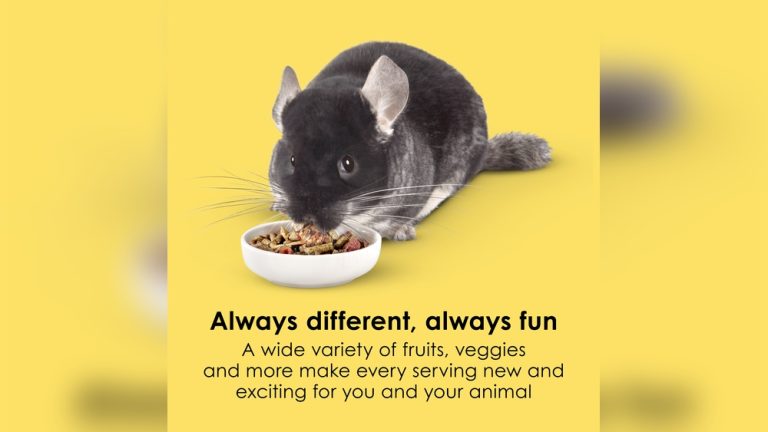
Chinchillas eat mostly hay and pellets made for them. Hay helps keep their teeth healthy and digestion smooth. Fresh water must be available at all times. Treats like dried rose hips or small pieces of apple can be given once in a while. Avoid sugary or fatty foods. Chinchillas have sensitive stomachs that can get upset easily.
Hamster Diet
Hamsters enjoy a mix of pellets, seeds, and fresh vegetables. They need a balanced diet with protein, fat, and fiber. Fresh water should always be accessible. Small amounts of fruits, like apple slices, make good treats. Avoid citrus fruits and too many sugary snacks. Hamsters store food in their cheeks, so check their stash regularly to prevent spoilage.
Behavior And Temperament
Understanding the behavior and temperament of chinchillas and hamsters helps you choose the right pet. Both animals have unique traits that affect how they interact with people and their environment. Their personalities shape daily care and bonding experiences.
Chinchilla Personality
Chinchillas are curious and active, especially at night. They enjoy exploring and need space to jump and run. They can be shy at first but grow comfortable with gentle handling. Chinchillas are social and prefer living with others of their kind. They rarely bite but may be nervous around loud noises. These pets enjoy calm environments and regular interaction.
Hamster Personality
Hamsters are mostly solitary and enjoy their own space. They are active during the night and like to burrow and hoard food. Hamsters can be friendly but may bite if scared. They require gentle, slow handling to build trust. Hamsters often show curiosity but prefer quiet surroundings. Their small size and quick movements make them fun to watch but sometimes tricky to hold.
Exercise And Enrichment
Exercise and enrichment are key to keeping small pets healthy and happy. Both chinchillas and hamsters need daily activity to stay fit. Enrichment helps them use their natural behaviors and avoid boredom. This section explores how chinchillas and hamsters stay active and entertained.
Chinchilla Activity
Chinchillas are very energetic and need space to run and jump. They enjoy climbing on shelves and exploring tunnels. A large cage with platforms helps them stay active. Dust baths not only keep them clean but also provide fun. Toys like wooden blocks and chew sticks keep their teeth healthy and busy.
Hamster Activity
Hamsters love running on wheels. This is their favorite way to exercise indoors. They also enjoy tunnels, tubes, and small hideouts to explore. Chew toys help wear down their teeth. Providing fresh bedding lets them dig and burrow, which feels natural. Hamsters are mostly active at night and need quiet time to rest during the day.
Handling And Interaction
Handling and interaction are important for both chinchillas and hamsters. These pets need gentle care to build trust. Each animal has unique ways to enjoy being handled. Understanding their needs helps create a strong bond.
Chinchilla Handling Tips
Chinchillas have delicate bodies and soft fur. Hold them with both hands to support their weight. Avoid squeezing or grabbing too tight. They like calm and slow movements. Let them explore your hands before lifting them. Handle them only for short times. They may get stressed if held too long. Avoid loud noises and sudden moves during handling.
Hamster Handling Tips
Hamsters are small and quick. Scoop them up gently using both hands. Use slow and steady movements to avoid startling. Let them sniff your hand first. Handle them close to the ground to prevent falls. Avoid grabbing their tails or limbs. Handle them daily but keep sessions brief. Watch for signs of stress or biting.
Cost And Maintenance
Cost and maintenance are important factors when choosing between a chinchilla and a hamster. Both pets need care and money, but their needs differ. Understanding these differences helps plan better for pet care and budget.
Initial Costs
Chinchillas usually cost more to buy than hamsters. The price of a chinchilla can be several times higher. They also need a bigger and stronger cage. This cage can be expensive. Hamsters are cheaper to buy and need smaller cages. Their cages cost less too. You must also buy bedding, food bowls, and toys for both pets. These start-up supplies add to the initial cost.
Ongoing Expenses
Chinchillas eat special food and need dust baths often. Their food costs more than hamster food. Dust for bathing is an extra expense. Chinchillas also live longer, so their care costs add up over time. Hamsters eat simple food that costs less. They do not need dust baths. However, hamster bedding needs frequent changing, which adds to costs. Both pets need veterinary care, but chinchillas may require more specialized care. Regular cleaning and replacing toys are part of ongoing expenses for both pets.
Choosing The Right Pet
Choosing the right pet is a big decision. Pets need care, time, and space. Picking a pet that fits your life makes the experience better for both you and the animal. Chinchillas and hamsters are popular small pets. Each has unique needs. Understanding these needs helps you choose the best pet for your home and lifestyle.
Lifestyle Considerations
Chinchillas are active and curious. They need more playtime outside their cage. Hamsters are mostly active at night. They like to run on wheels and hide in tunnels. If you are busy during the day, a hamster may suit you better. Chinchillas require gentle handling and regular dust baths. Both pets need daily attention but in different ways.
Space Requirements
Chinchillas need large cages with shelves for climbing. They need room to jump and move freely. Hamsters live comfortably in smaller cages with tunnels. Space matters for their health and happiness. A cramped cage can cause stress and illness. Make sure your home can fit the right cage size before deciding.
Allergy Concerns
Chinchillas have thick fur that sheds dust, which can trigger allergies. Hamsters have less fur and usually cause fewer allergy problems. People with sensitive noses should spend time near both pets before choosing. Clean cages often to reduce allergens. This helps keep your home fresh and safe for everyone.

Credit: www.youtube.com
Frequently Asked Questions
What Are The Main Differences Between Chinchillas And Hamsters?
Chinchillas are larger, have dense fur, and require cooler environments. Hamsters are smaller, have shorter fur, and are easier to care for. Both differ in lifespan, activity levels, and social behavior, making their care needs distinct for pet owners.
Which Pet Is Better For Children: Chinchilla Or Hamster?
Hamsters are generally better for children due to their smaller size and easier care. Chinchillas need more attention and a controlled environment, making them better suited for experienced pet owners or older children.
How Much Space Do Chinchillas And Hamsters Need?
Chinchillas require large, multi-level cages to accommodate their active nature. Hamsters need smaller cages but benefit from tunnels and exercise wheels. Proper space ensures both pets stay healthy and happy.
What Is The Average Lifespan Of Chinchillas Compared To Hamsters?
Chinchillas live longer, averaging 10-15 years, while hamsters live 2-3 years. This lifespan difference affects commitment levels and care responsibilities for potential pet owners.
Conclusion
Choosing between a chinchilla and a hamster depends on your lifestyle. Chinchillas need more space and care but live longer. Hamsters are smaller, easier to handle, and need less time. Both make good pets but have different needs. Think about your home, time, and budget before deciding.
Each pet brings joy in its own way. Take your time to pick the best fit for you. Enjoy the fun and love a small pet can bring.