Can Chinchillas Eat Hamster Food: Essential Facts Revealed
Are you wondering if your chinchilla can safely eat hamster food? It’s a common question among small pet owners who want to keep their furry friends happy and healthy without spending extra time or money on different foods.
But before you share that hamster pellet with your chinchilla, it’s important to know what’s really best for their diet. You’ll discover the surprising facts about chinchilla nutrition and why feeding them hamster food might not be as simple as it seems.
Keep reading to make sure you’re giving your chinchilla the care it deserves.

Credit: materiaiscastanheira.com.br
Chinchilla Diet Basics
Chinchillas have special diet needs. Their food must keep them healthy and active. Knowing what chinchillas eat helps you care for them well.
Chinchillas cannot eat just any pet food. Their stomachs are sensitive. Feeding the right food prevents health problems.
Natural Food Preferences
In the wild, chinchillas eat mostly grasses and plants. They like dry, fibrous foods. These foods help wear down their teeth. Their teeth grow all the time. Hard food stops overgrowth.
Fresh vegetables and fruits are not part of their natural diet. Chinchillas avoid sugary or wet foods. These can cause stomach upset.
Nutritional Needs
Chinchillas need high fiber and low fat in their diet. Fiber helps digestion and gut health. They require special pellets made for chinchillas. These pellets have the right vitamins and minerals.
Hamster food is not a good match. It often has more fat and sugar. These can harm chinchillas over time. Always choose food made for chinchillas to keep them safe.
Hamster Food Composition
Understanding the composition of hamster food is important before feeding it to chinchillas. Hamster food is made to meet the dietary needs of small rodents. It contains a mix of seeds, grains, and other ingredients. These ingredients provide energy and basic nutrients.
Chinchillas have different nutritional needs than hamsters. Knowing what hamster food contains helps to see if it is suitable for chinchillas. This section explains the common ingredients and the nutritional profile of hamster food.
Common Ingredients
Hamster food often contains sunflower seeds, corn, oats, and barley. It may also include dried fruits like raisins or apple pieces. Some mixes have small pellets made from grains and vegetables. These ingredients provide a variety of flavors and textures. They are designed to keep hamsters healthy and active.
Many hamster foods include added vitamins and minerals. These help support hamster growth and immune health. Some brands add nuts or mealworms for extra protein. These ingredients suit hamsters but may not be ideal for chinchillas.
Nutritional Profile
Hamster food usually has moderate protein and fat levels. Protein comes from seeds, nuts, and sometimes animal-based ingredients. Fat content is higher than what chinchillas need. High fat can cause health issues for chinchillas over time.
Fiber in hamster food is lower compared to chinchilla diets. Chinchillas need high fiber for healthy digestion. Vitamins and minerals in hamster food support small rodents but may not meet chinchilla needs. Sugar content from dried fruits can be too high for chinchillas.
Comparing Chinchilla And Hamster Food
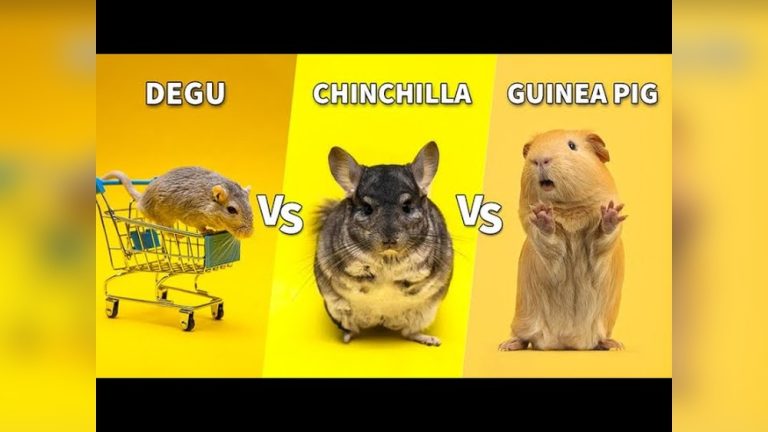
Comparing chinchilla and hamster food reveals important differences. Both animals need special diets for good health. Their foods may look similar but serve different purposes. Understanding these differences helps keep pets safe and happy.
Key Differences
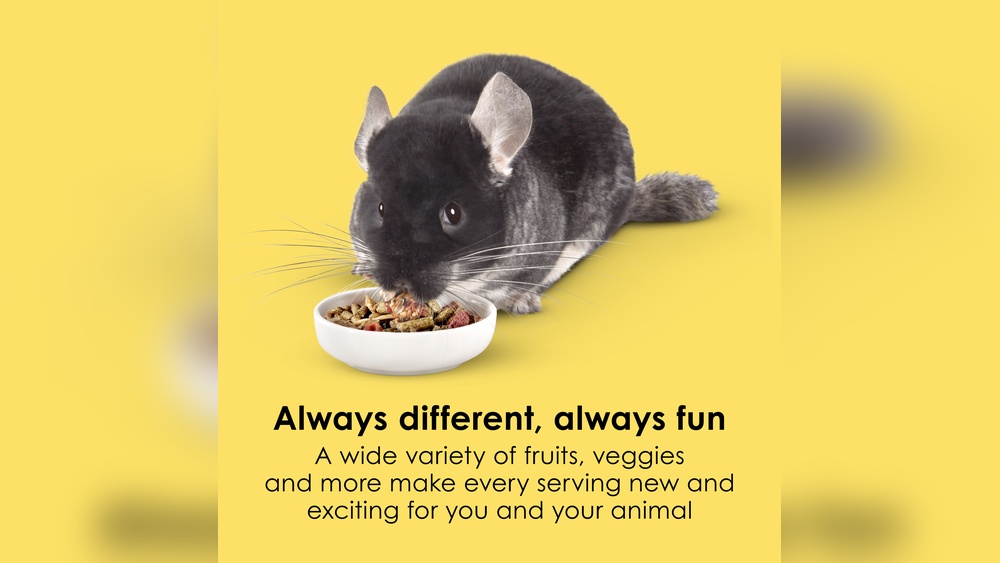
Chinchilla food has high fiber and low fat. They need hay and pellets made from timothy grass. Hamster food contains more seeds, nuts, and grains. It has higher fat and protein levels. Chinchillas have sensitive stomachs that need a simple diet. Hamsters can digest a wider range of foods. The texture also varies; chinchilla pellets are harder. Hamster food often has softer bits mixed in.
Potential Risks
Feeding hamster food to chinchillas can cause health problems. High fat and sugar in hamster food can upset their digestion. It may lead to obesity or digestive issues. Chinchillas may refuse hamster food due to taste or texture. Hamsters eating chinchilla food might miss nutrients they need. Mixing foods can cause imbalanced diets. Always choose species-specific food to avoid risks.
Credit: bcmoorerankings.com
Effects Of Feeding Hamster Food To Chinchillas
Feeding hamster food to chinchillas can have noticeable effects. Their digestive systems differ greatly. What suits hamsters may not suit chinchillas. Understanding these effects helps keep your pet healthy and happy.
Short-term Impact
Chinchillas may eat hamster food without immediate harm. Some ingredients in hamster food can upset their stomach. They might experience diarrhea or bloating. These symptoms cause discomfort and stress. Chinchillas may refuse to eat their regular diet. This can lead to reduced nutrient intake. Watch for any changes in behavior or digestion.
Long-term Health Concerns
Hamster food lacks the fiber chinchillas need daily. Low fiber intake harms their digestive tract. Over time, this can cause serious problems. Chinchillas may develop obesity from high fat content. Excess sugar in hamster food also risks dental issues. Poor nutrition weakens their immune system. Long-term feeding may shorten their lifespan. Maintaining a proper diet ensures better health and vitality.
Safe Feeding Practices
Feeding chinchillas the right food is very important for their health. Safe feeding practices keep chinchillas happy and energetic. Not all pet foods suit their delicate stomachs. Careful selection of food prevents illness and digestive problems. This section explains how to feed chinchillas safely.
Recommended Chinchilla Foods
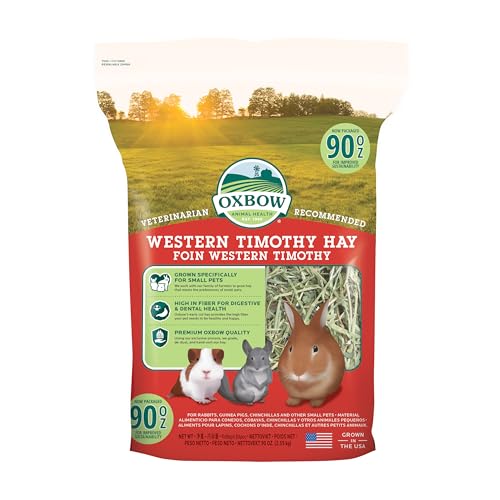
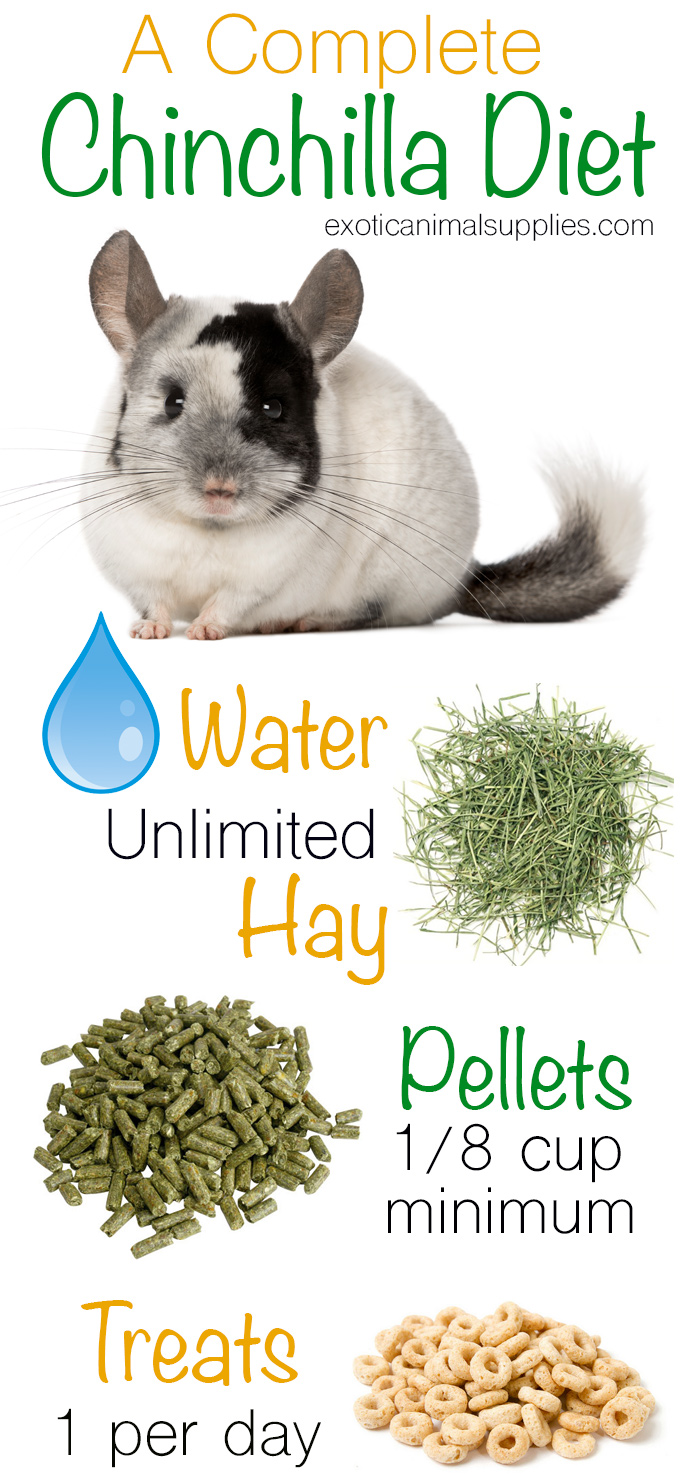
Chinchillas need food high in fiber and low in fat. Good options include hay, specially made chinchilla pellets, and fresh water. Timothy hay is a favorite and helps with chewing. Fresh vegetables like carrot tops and rose hips can be given in small amounts. Treats should be rare and healthy, such as dried herbs. These foods support strong teeth and digestion.
Avoiding Harmful Ingredients
Hamster food often contains seeds, nuts, and dried fruits. These ingredients can harm chinchillas. High fat and sugar upset their stomachs and cause health issues. Avoid foods with artificial colors or preservatives. Foods with too many seeds may cause choking. Always check the label before feeding any pet food. Stick to foods designed for chinchillas to keep them safe.
Signs Of Dietary Problems
Chinchillas have sensitive digestive systems. Feeding them the wrong food can cause health issues. Recognizing signs of dietary problems early helps protect your pet’s well-being. Watch for changes in behavior and physical health. These signs often reveal if your chinchilla is not eating properly or has an upset stomach.
Behavioral Changes
Chinchillas may act restless or less active if their diet is wrong. They might stop eating or drink more water than usual. Watch for unusual hiding or aggression. These behaviors often signal discomfort or pain. Pay attention if your pet seems tired or less playful. Early detection of these signs can prevent serious illness.
Physical Symptoms
Look for changes in your chinchilla’s fur and weight. Dull or patchy fur may indicate poor nutrition. Sudden weight loss is a serious warning sign. Check for bloating or unusual droppings. Diarrhea or very soft stools show digestive trouble. These symptoms require quick action to keep your pet healthy.
Alternatives To Hamster Food
Hamster food is not the best choice for chinchillas. They need special diets to stay healthy. Many foods for hamsters have ingredients that can harm chinchillas. Choosing the right food helps your pet live longer and feel better.
Commercial Chinchilla Pellets
Commercial chinchilla pellets are made just for them. These pellets have all the vitamins and minerals chinchillas need. They support strong teeth and good digestion. Feeding pellets ensures your chinchilla gets balanced nutrition every day.
Fresh And Natural Options
Chinchillas enjoy fresh hay like timothy or orchard grass. Hay is key for their digestion and teeth health. Small amounts of fresh vegetables can be given sometimes. Avoid sugary or fatty treats. Fresh water should always be available for your chinchilla.
Credit: shopcarpetplus.com
Frequently Asked Questions
Can Chinchillas Safely Eat Hamster Food?
No, chinchillas should not eat hamster food. Hamster food lacks the specific nutrients chinchillas need. It may cause digestive issues and nutritional imbalances in chinchillas.
What Is The Main Difference Between Chinchilla And Hamster Food?
Chinchilla food contains high fiber and low fat. Hamster food has more seeds, nuts, and fat. These differences affect digestion and health in chinchillas.
Can Feeding Hamster Food Harm A Chinchilla?
Yes, feeding hamster food can harm chinchillas. It can cause obesity, digestive upset, and nutrient deficiencies. Always provide chinchilla-specific pellets for proper nutrition.
What Should I Feed My Chinchilla Instead Of Hamster Food?
Feed your chinchilla high-quality chinchilla pellets, hay, and occasional treats. Timothy hay is essential for digestion. Fresh water should always be available.
Conclusion
Chinchillas need special food made just for them. Hamster food lacks the right nutrients chinchillas require. Feeding hamster food to chinchillas can cause health problems. Always choose food made for chinchillas to keep them healthy. Proper diet supports their digestion and fur quality.
Treat your chinchilla with care and the right diet. Your pet will be happy and live longer this way. Remember, not all small pet foods are safe for chinchillas. Choose wisely for your furry friend’s well-being and happiness.