Do Ferrets And Chinchillas Get Along: Surprising Truth Revealed
Are you thinking about having both ferrets and chinchillas as pets? You might be wondering if these two furry friends can live happily together.
It’s natural to want a peaceful home where your pets get along well. But do ferrets and chinchillas really mix? Before you make any decisions, it’s important to understand their personalities and needs. Keep reading to discover the surprising truth about how these animals interact—and what it means for your pet family.
Ferret Behavior Traits
Ferrets are lively animals with unique behavior traits. Their actions show their mood and needs. Understanding these traits helps in caring for them better. It also helps to know how they might act around other pets like chinchillas.
Ferrets have strong instincts and curious minds. They love to explore and play. They can be very social but also have moments of rest and calm. Watching their behavior gives clues about their feelings and health.
Social Nature Of Ferrets
Ferrets are social animals that enjoy company. They like to live in groups or with humans. They often play together and sleep close. Alone, they can feel lonely or bored. They communicate with sounds and body language. This helps them bond and share their feelings.
Ferret Play And Aggression
Play is important for ferrets to stay happy. They chase, wrestle, and hide objects. This play looks rough but is usually gentle. Sometimes, play can turn into mild aggression. They might nip or bite softly. This shows excitement, not anger. Proper supervision stops play from getting too rough.
Credit: articles.hepper.com
Chinchilla Personality Traits
Chinchillas have unique personality traits that shape their behavior. They are curious animals but can be shy around new things. These traits affect how they interact with other pets, including ferrets. Understanding their personality helps in creating a safe and comfortable environment for them.
Chinchillas are active, especially during dawn and dusk. They enjoy exploring but prefer quiet spaces. Their gentle nature means they can get stressed easily. Patience is key to building trust with a chinchilla.
Chinchilla Social Habits
Chinchillas are social but cautious animals. They often live in groups in the wild. They communicate through soft sounds and body language. Chinchillas like company but need space to feel safe. They may hide or freeze if they feel threatened. Socializing with humans requires slow, calm approaches.
Common Chinchilla Reactions
Chinchillas show fear by puffing up or making loud noises. They may bite if scared or stressed. They often run away to a hiding spot. When relaxed, they may jump or play. Grooming themselves is a sign of comfort. Knowing these reactions helps prevent stress and conflicts with other pets.
Interactions Between Ferrets And Chinchillas
Ferrets and chinchillas are very different animals. Their natural behaviors and needs vary a lot. Understanding how they interact is important for safe and peaceful living.
Both animals have unique ways of communicating and moving. This affects how they respond to each other. Watching their interactions closely helps prevent problems.
Initial Encounters
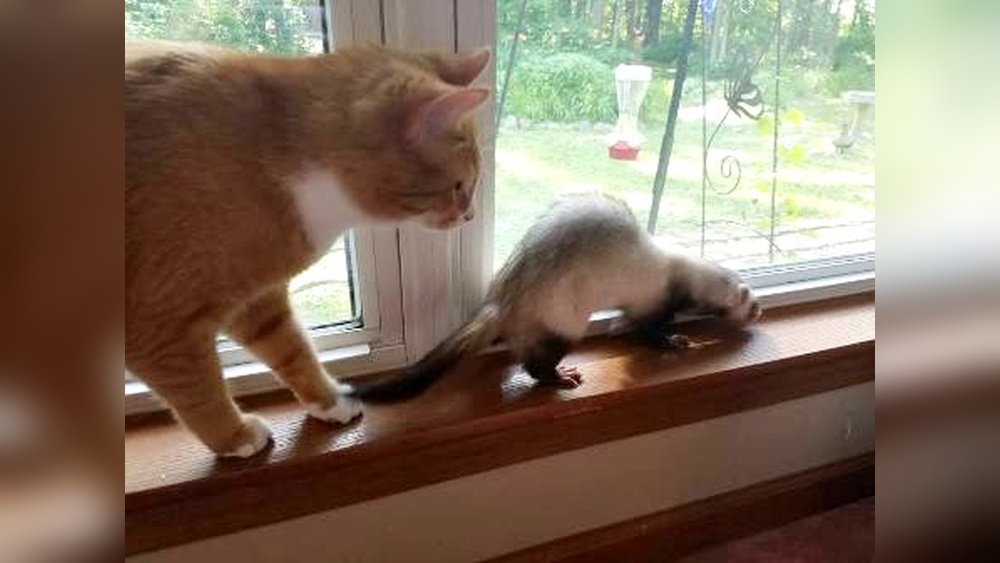
Introduce ferrets and chinchillas slowly. Keep them in separate spaces at first. Let them see and smell each other through a barrier.
Observe their reactions. Ferrets are curious and may try to chase. Chinchillas can be shy and jumpy. Do not force contact early on.
Short meetings under supervision work best. Increase time together only if both stay calm. Stop if either animal shows fear or aggression.
Signs Of Stress Or Comfort
Stress in ferrets may show as hissing, biting, or frantic movement. Chinchillas may freeze, hide, or thump their feet. These signs mean they feel unsafe.
Comfort signs include relaxed body language and gentle sniffing. Ferrets may play softly, and chinchillas may groom themselves. Calm behavior means they accept each other.
Always watch body language during interactions. Quick reactions help keep both pets safe and happy.

Credit: www.livanova.co.jp
Potential Risks Of Housing Together
Keeping ferrets and chinchillas together can be risky. Their needs and behaviors differ a lot. These differences can cause stress and harm. Understanding the risks helps you make the best choice. Safety and health must come first for both pets.
Predatory Instincts
Ferrets have strong hunting instincts. They may see chinchillas as prey. This can lead to chasing or biting. Chinchillas are small and fragile. A ferret’s playful bite can injure them. Stress from fear can harm chinchillas over time. Supervised interaction is not always safe. Housing them together may cause fights or injuries.
Health Concerns
Ferrets and chinchillas carry different germs. Diseases can spread between the two species. Chinchillas have sensitive respiratory systems. Ferrets may carry bacteria that harm chinchillas. Their diets and care needs vary greatly. Sharing a cage can cause poor hygiene. Illnesses may develop quickly in both pets. Regular vet checks are essential if they live close.
Tips For Introducing Ferrets To Chinchillas
Introducing ferrets to chinchillas needs care and patience. Both animals have different habits and temperaments. Ferrets are curious and energetic. Chinchillas are shy and delicate. A calm introduction helps them get used to each other safely. This process lowers stress and prevents injuries.
Follow clear steps for a smooth meeting. Small, controlled interactions build trust. Watch their reactions closely. Early signs of stress or aggression require quick action. Proper introduction sets a good foundation for peaceful coexistence.
Safe Introduction Techniques
Choose a neutral room for the first meeting. Avoid spaces where the chinchilla or ferret feels very safe. Use a playpen or cage divider to separate them. Let them see and smell each other without direct contact. Keep sessions short, around 5 to 10 minutes. Gradually increase time if both stay calm. Use treats to create positive feelings. Never leave them alone together at first.
Monitoring Behavior Closely
Watch body language carefully during each interaction. Look for signs of fear or aggression. Chinchillas may freeze or thump their feet. Ferrets might hiss, growl, or chase. Stop the meeting if either shows stress. Give both animals time to relax before next try. Keep notes on behavior changes over time. Safety is the top priority during all sessions.
When To Keep Them Apart
Ferrets and chinchillas have very different behaviors and needs. Sometimes, it is best to keep them apart. Safety and comfort come first for both pets. Knowing when to separate them helps avoid stress and injury. Watch their signs closely to decide if they can share space or not.
Recognizing Incompatibility
Ferrets are natural hunters with a strong prey drive. Chinchillas are shy and fast. This difference can cause fear and aggression. If a ferret chases or bites a chinchilla, separate them immediately. Signs like hiding, shaking, or loud noises show stress. Avoid mixing them if they do not calm down quickly. Some ferrets and chinchillas simply cannot get along.
Alternative Interaction Options
Both pets enjoy play but in different ways. Provide separate play areas that suit each animal. Use barriers to allow safe, supervised viewing without direct contact. Offer toys and activities that match their natural behaviors. Let chinchillas have quiet, safe spaces. Ferrets need room to run and explore. Controlled interactions help keep both pets happy and healthy.

Credit: www.ebay.com
Frequently Asked Questions
Do Ferrets And Chinchillas Live Peacefully Together?
Ferrets and chinchillas have different temperaments and needs. Ferrets are predators, while chinchillas are prey animals. This makes peaceful cohabitation risky and generally not recommended without strict supervision.
Can Ferrets Harm Chinchillas During Play?
Yes, ferrets can accidentally harm chinchillas. Ferrets are playful but rough, which may stress or injure fragile chinchillas. Always separate their playtime to avoid accidents and stress.
How To Introduce Ferrets To Chinchillas Safely?
Introduce them slowly and in controlled environments. Keep ferrets leashed or behind barriers initially. Always supervise interactions closely to ensure neither animal feels threatened or stressed.
Are Ferrets And Chinchillas Compatible Pets?
Ferrets and chinchillas have different social and environmental needs. They are not naturally compatible as pets due to their predator-prey dynamic and activity levels. Separate housing is best for their well-being.
Conclusion
Ferrets and chinchillas have very different needs and behaviors. They may not always get along well. Careful supervision is important if they meet. Both animals need their own safe spaces. Patience helps when introducing new pets. Understanding each pet’s nature protects their happiness.
Always watch for signs of stress or fear. Keeping ferrets and chinchillas apart is often best. Happy pets make a happy home. Choose what works best for your animals.