Chinchilla Vs Ferret: Ultimate Pet Showdown for Beginners
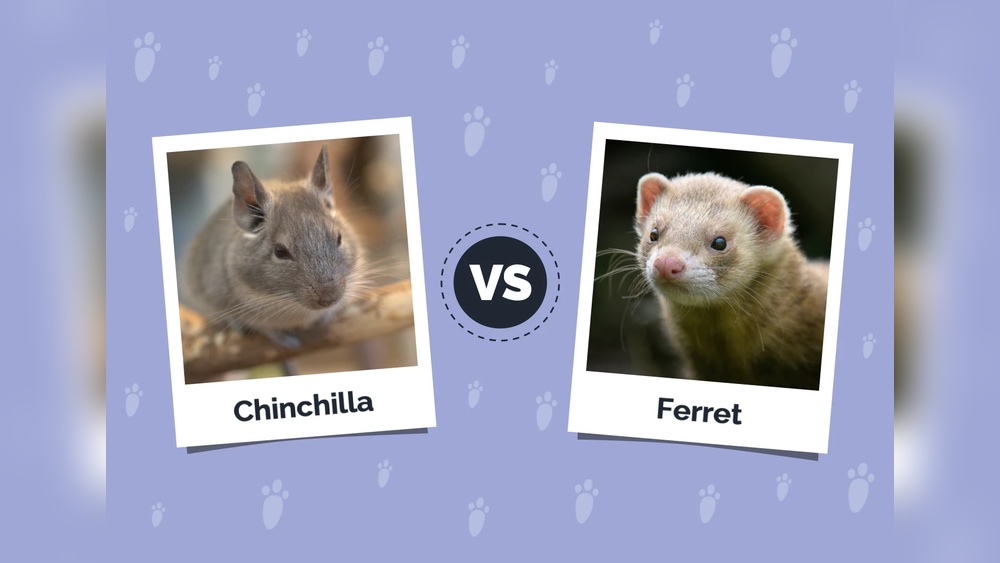
Are you trying to choose between a chinchilla and a ferret as your next pet? Both are adorable, playful, and full of personality, but they are very different in how they live and what they need.
Knowing these differences can save you time, money, and a lot of frustration. You’ll discover the key facts about chinchillas and ferrets that will help you decide which one fits best with your lifestyle and home. Keep reading to find out which pet could be your perfect new companion.
Pet Temperaments
Understanding pet temperaments helps choose the right companion. Each animal has unique traits and behaviors. These affect how they live and interact at home. Knowing these differences makes care easier and more rewarding.
Chinchillas and ferrets have distinct personalities. Their temperaments shape their daily lives and bonding with owners. Let’s explore what makes each special.
Chinchilla Personality Traits
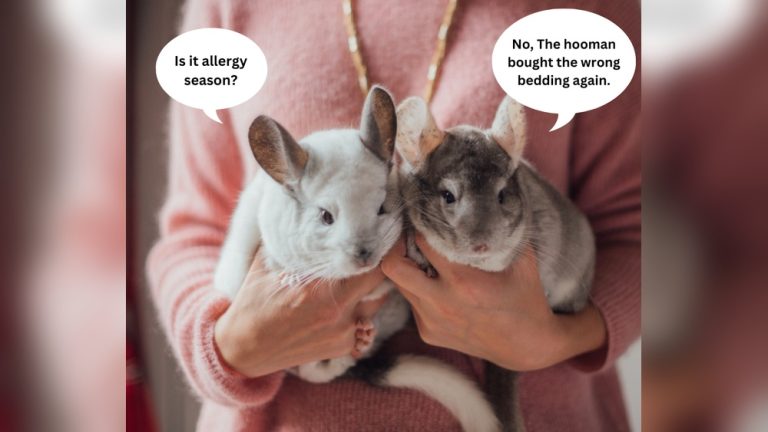
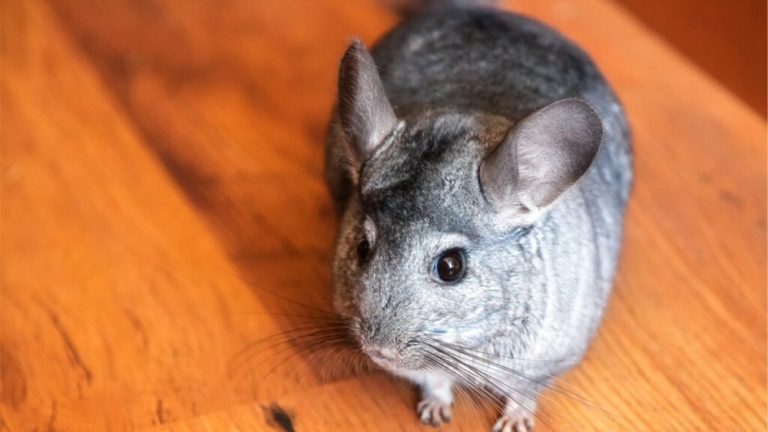
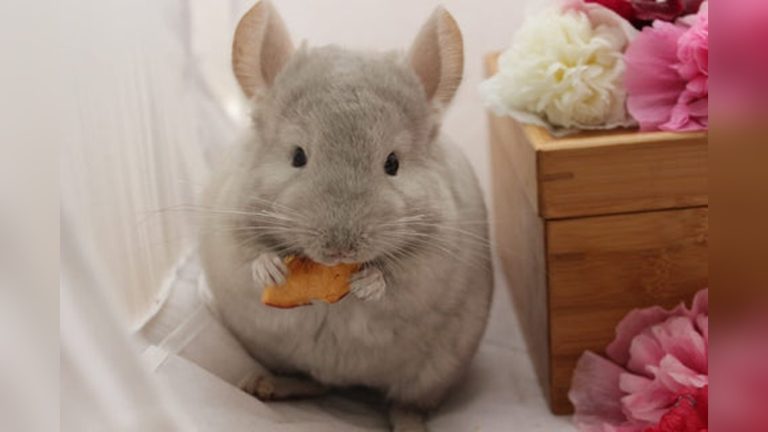
Chinchillas are gentle and shy by nature. They prefer calm and quiet environments. These pets enjoy routine and feel stressed by loud noises. They are mainly active at dawn and dusk. Chinchillas love to explore but stay cautious. They need time to trust new people. Their soft fur and calm ways attract many pet lovers.
Ferret Behavior Patterns
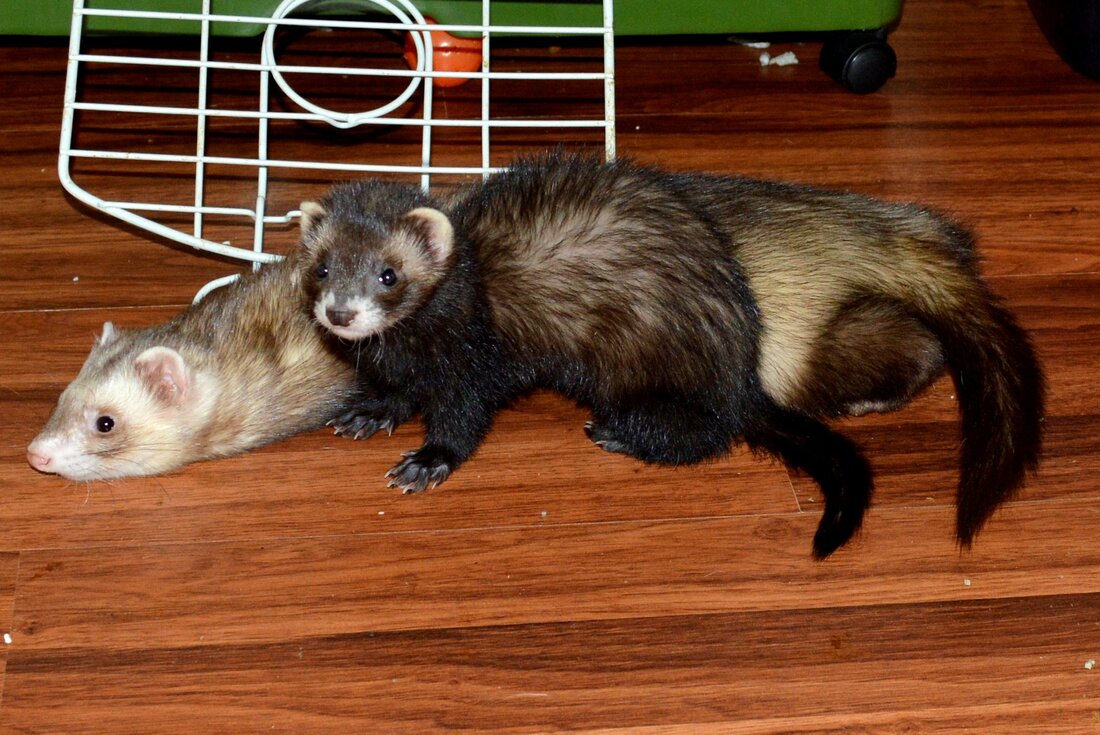
Ferrets are playful and full of energy. They enjoy running, jumping, and exploring spaces. These animals are curious and often mischievous. Ferrets sleep deeply but for short periods. They use their keen senses to investigate. Sometimes, ferrets show a strong hunting instinct. They need toys and interaction to stay happy.
Interaction With Humans
Chinchillas bond slowly but deeply with owners. They prefer gentle handling and soft voices. These pets like to sit quietly on laps. Ferrets are more social and seek attention often. They enjoy games and petting sessions. Both animals can form strong attachments. Patience and care build trust over time.

Credit: www.youtube.com
Care And Maintenance
Taking care of a chinchilla or a ferret needs attention to their unique needs. Both animals require proper care for a healthy and happy life. Understanding their housing, diet, and grooming helps avoid common problems.
Housing Needs
Chinchillas need large cages with many levels to jump and climb. They prefer cool, dry places because heat can harm them. Ferrets require a cage with tunnels and soft bedding. They enjoy exploring outside their cage daily. Both need safe, secure spaces away from direct sunlight.
Dietary Requirements
Chinchillas eat mostly hay and specially made pellets. They need fresh water every day. Treats like dried fruit should be given rarely. Ferrets are carnivores and need high-protein meat-based food. Avoid feeding them fruits or vegetables. Fresh water is essential for them too.
Grooming Essentials
Chinchillas groom themselves but need dust baths two or three times weekly. This keeps their fur clean and healthy. Ferrets require regular brushing to remove loose fur. Bathing ferrets should be done sparingly to avoid skin dryness. Nail trimming is important for both pets.
Health Considerations
Choosing between a chinchilla and a ferret means understanding their health needs. Both pets need care to stay happy and active. Knowing their health concerns helps you keep them safe and well.
Common Illnesses
Chinchillas often face dental problems. Their teeth grow fast and can cause pain if not worn down. They also can get respiratory infections from poor air quality.
Ferrets are prone to adrenal disease and insulinoma. These illnesses affect their hormones and blood sugar. They also catch colds and flu viruses easily.
Lifespan Expectations
Chinchillas usually live 10 to 15 years. They need gentle care to reach this age. Ferrets live shorter, about 6 to 10 years. Regular health checks can help extend their life.
Veterinary Care Tips
Find a vet who knows chinchillas or ferrets well. Regular check-ups catch problems early. Keep their living space clean and dry to prevent sickness.
Watch for signs like loss of appetite or changes in behavior. These can signal health issues. Quick vet visits improve chances of recovery.

Credit: www.ariashop.lt
Activity Levels
Activity levels differ greatly between chinchillas and ferrets. Each pet has unique energy needs and play styles. Understanding these differences helps you meet their needs better.
Playtime Habits
Chinchillas enjoy short bursts of play. They like to jump and run around quickly. Ferrets play more actively and for longer times. They love chasing and exploring their space. Both pets enjoy interactive toys but in different ways.
Exercise Needs
Chinchillas need daily exercise but only for a short time. They prefer cool, safe spaces to hop and climb. Ferrets require more exercise. They need several hours of active play each day. This keeps them healthy and happy.
Mental Stimulation
Chinchillas are curious but can get stressed easily. They benefit from quiet toys and new hiding spots. Ferrets are very intelligent and need complex games. Puzzle toys and new environments keep their minds sharp. Both pets need mental challenges to stay content.
Cost Factors
Choosing between a chinchilla and a ferret involves understanding their cost differences. Expenses go beyond just buying the pet. Setup, daily care, and emergencies all add to the total cost. Knowing these factors helps plan your budget better.
Initial Setup Expenses
Chinchillas need a large cage with multiple levels. They require dust baths and special bedding. Ferrets need a cage with tunnels and toys for play. Both pets need food dishes and water bottles. Initial costs for ferrets can be slightly higher due to more accessories.
Ongoing Care Costs
Chinchillas eat hay, pellets, and need dust for baths. Their food is affordable but must be high quality. Ferrets eat meat-based food, which can be pricier. Both need regular cleaning supplies and fresh water. Monthly costs for ferrets may be higher due to diet.
Emergency Fund Planning
Both pets can face health issues needing vet visits. Ferrets are prone to certain illnesses requiring quick care. Chinchillas can suffer from dental problems or heat stress. Setting aside money for emergencies keeps stress low. Regular check-ups help avoid large bills later.
Credit: www.ferretsandfriends.org
Suitability For Beginners
Choosing the right pet for a beginner can be tricky. Both chinchillas and ferrets need care but in different ways. Understanding their needs helps in making a good choice. This section covers key points to consider before getting either pet.
Time Commitment
Chinchillas need less daily attention. They enjoy quiet time and short play periods. Ferrets require more interaction and play every day. They are very active and curious. Beginners should think about their daily schedule carefully.
Space Requirements
Chinchillas need a large cage with shelves to climb. They like running and jumping in a safe place. Ferrets need more space to roam outside their cage. They enjoy exploring rooms but need supervision. Space at home matters for both pets.
Allergy And Safety Concerns
Chinchillas have dense fur, which can cause allergies in some people. They are gentle and less likely to bite. Ferrets have a strong smell and can trigger allergies more often. They may nip, especially if scared. Safety and allergies must be checked before choosing.
Frequently Asked Questions
What Are The Main Differences Between Chinchillas And Ferrets?
Chinchillas have dense fur and are more delicate, while ferrets are muscular with a playful nature. Their diets, habitats, and social needs also differ significantly.
Which Pet Is Easier To Care For: Chinchilla Or Ferret?
Chinchillas require less social interaction and grooming, making them easier for low-maintenance care. Ferrets need more attention and daily playtime.
Are Chinchillas Or Ferrets Better For Small Living Spaces?
Chinchillas adapt well to small cages with proper ventilation. Ferrets need larger, more stimulating environments to stay healthy and happy.
How Do Chinchillas And Ferrets Differ In Lifespan?
Chinchillas typically live 10-20 years, while ferrets live around 6-10 years. Lifespan depends on care, diet, and environment.
Conclusion
Choosing between a chinchilla and a ferret depends on your lifestyle. Chinchillas need quiet spaces and gentle care. Ferrets are active and enjoy playtime often. Both pets require attention and love to thrive. Think about your time and home before deciding.
Both animals can bring joy in different ways. Choose the one that fits your daily routine best. Taking care of any pet is a big responsibility. Enjoy the journey of pet ownership with patience and kindness.