Do Chinchillas Bite: Surprising Truths Every Owner Should Know
Have you ever wondered if chinchillas bite? If you’re thinking about getting one as a pet or already have one at home, this question might be on your mind.
Understanding chinchilla behavior is key to building a trusting bond with your furry friend. You’ll discover why chinchillas bite, when it might happen, and how you can prevent it. Keep reading to learn how to keep your chinchilla happy and your fingers safe.
Chinchilla Behavior Basics
Understanding chinchilla behavior helps in building trust and a happy pet relationship. These small animals have unique ways of showing their feelings and needs. Knowing their basic behavior helps avoid surprises like biting.
Chinchillas are gentle but can react if scared or stressed. Observing their habits and moods gives clues about their comfort and health. Let’s explore their natural temperament, how they interact, and signs of stress.
Natural Temperament
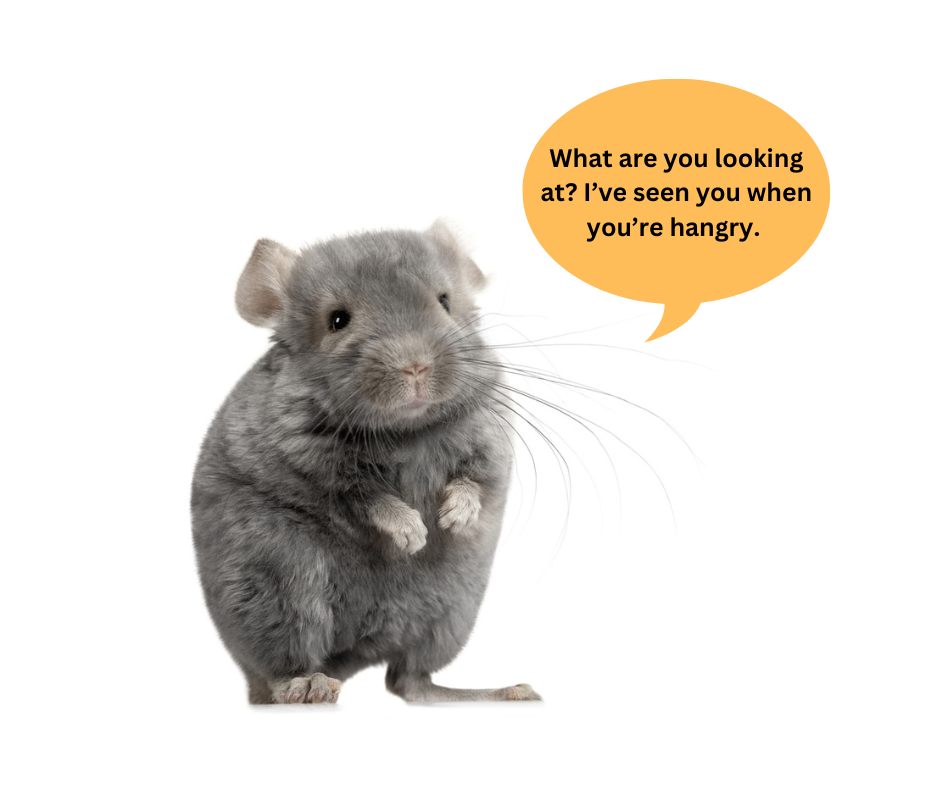
Chinchillas are shy and calm by nature. They prefer quiet and safe spaces. These animals rarely show aggression without cause. Most chinchillas enjoy gentle handling over time. Sudden movements or loud noises can startle them.
Social Interactions
Chinchillas communicate with soft sounds and body language. They like company but may need time to adjust. Playful behavior includes hopping and gentle nibbling. Territorial behavior can appear if they feel threatened. Positive interactions build a strong bond.
Signs Of Stress
Stress in chinchillas shows through changes in behavior. They may hide more or stop eating. Rapid breathing or fur chewing are warning signs. A stressed chinchilla might bite as a defense. Recognizing stress early helps keep them calm.

Credit: www.youtube.com
Reasons Behind Biting
Chinchillas may bite for several reasons. Understanding why they bite helps improve your bond. Their behavior often reflects feelings or needs. Recognizing these signs keeps both you and your pet safe.
Fear And Anxiety
Fear makes chinchillas feel threatened. They bite to protect themselves from danger. New environments or loud noises can cause stress. Gentle handling helps reduce their anxiety.
Territorial Instincts
Chinchillas guard their space strongly. They bite to defend their cage or food. Intruders may trigger this behavior quickly. Respecting their area lowers biting chances.
Pain Or Discomfort
Pain causes chinchillas to react sharply. Illness or injury makes them bite unexpectedly. Watch for signs like limping or swelling. A vet visit is important for their health.
When Biting Is Common
Chinchillas usually have gentle natures, but biting can happen. It is often a sign of stress or discomfort. Understanding when biting is common helps you care for your pet better. This section explains typical situations that may cause your chinchilla to bite.
During Handling
Chinchillas may bite if they feel scared during handling. Sudden movements can startle them. They might also bite if held too tightly or for too long. Gentle and slow handling reduces the chance of biting. Always watch your chinchilla’s body language to avoid stress.
Introducing New Pets
New pets can cause anxiety for chinchillas. They might bite to protect their space. This behavior is a natural way to show discomfort. Keep new pets separated at first. Allow slow and calm introductions to help them adjust peacefully.
Changes In Environment
Moving your chinchilla to a new home can cause biting. Changes in lighting, sounds, or smells may confuse them. They may bite as a way to express fear. Keep their environment stable and familiar to reduce biting. Give them time to explore and feel safe.
Preventing Bites
Preventing bites from chinchillas is important for a happy pet-owner relationship. Bites happen mostly when chinchillas feel scared or stressed. Learning how to avoid those feelings helps keep your chinchilla calm and friendly.
Proper Handling Techniques
Hold your chinchilla gently but firmly. Use both hands to support its body. Avoid grabbing its tail or fur. Move slowly and speak softly. Sudden moves can startle your pet. Let your chinchilla come to you first.
Building Trust
Spend time near your chinchilla’s cage each day. Offer treats from your hand. Let it sniff your fingers before touching. Be patient and calm. Trust grows with gentle care and time. Avoid forcing interaction too soon.
Safe Environment Setup
Keep the cage clean and quiet. Provide hiding spots for your chinchilla. Avoid loud noises and bright lights nearby. Make sure the cage is large enough to move freely. A safe space helps reduce stress and biting.
What To Do If Bitten
Chinchilla bites can surprise any pet owner. Knowing what to do after a bite helps keep both you and your pet safe. Quick action reduces pain and avoids infection.
Immediate First Aid
Clean the bite area gently with soap and water. Use a clean cloth to stop any bleeding. Avoid rubbing the wound hard. Apply an antiseptic cream to prevent infection. Cover the bite with a sterile bandage. Keep the area dry and watch for swelling or redness.
Assessing The Situation
Check how deep the bite is. Small bites may heal on their own. Larger bites can cause pain and swelling. Watch for signs of infection like pus or warmth. Note if the chinchilla bit hard or broke the skin. Consider your pet’s behavior before and after the bite. Stress or fear might cause biting.
When To See A Vet
Visit a vet if the bite is deep or bleeding does not stop. Seek help if the wound looks infected or painful. See a vet if you feel sick or develop a fever. Professional care ensures the wound heals well. The vet may give antibiotics or pain relief. Early treatment avoids serious health issues for you and your chinchilla.
Credit: smallpetselect.com
Training Tips To Reduce Biting
Training a chinchilla to reduce biting takes patience and care. Understanding their behavior helps build trust between you and your pet. Clear and gentle training can make your chinchilla friendlier and less likely to bite.
Positive Reinforcement
Reward good behavior with treats or gentle praise. This encourages your chinchilla to repeat kind actions. Avoid punishment as it can cause fear and more biting. Use calm tones and soft touches to show approval.
Consistent Routine
Keep a regular daily schedule for feeding and playtime. Chinchillas feel safer with predictability. Consistency helps them learn what to expect. This lowers stress and reduces biting out of fear or surprise.
Recognizing Warning Signs
Watch for signs like raised fur or quick movements. These often mean your chinchilla feels scared or annoyed. Stop handling at these moments to avoid bites. Respect their space to build trust over time.
Common Myths About Chinchilla Biting
Many people believe chinchillas bite often and without reason. These ideas are not always true. Understanding common myths helps owners care for chinchillas better. It also improves the bond between pet and owner. Let’s explore some false beliefs about chinchilla biting.
Aggression Misconceptions
People often think chinchillas bite because they are aggressive. Most chinchillas are gentle and shy, not mean. Biting usually happens if the chinchilla feels scared or threatened. They prefer to run away, not fight. Aggression is rare and usually caused by stress or pain.
Biting As A Punishment
Some assume chinchillas bite to punish owners. Chinchillas do not understand punishment like humans do. Biting is a way to protect themselves or show discomfort. They do not bite to get back at you. It is their natural defense, not a behavior to teach a lesson.
Handling Myths
Many think chinchillas bite because they hate being touched. Chinchillas need gentle and calm handling to feel safe. Rough or sudden touches can scare them and cause biting. Learning proper handling techniques lowers biting chances. Patience and care build trust over time.

Credit: www.chewy.com
Frequently Asked Questions
Do Chinchillas Bite Often?
Chinchillas rarely bite unless they feel scared or threatened. Proper handling and gentle interaction reduce biting incidents significantly.
Why Do Chinchillas Bite People?
Chinchillas bite mainly due to fear, stress, or feeling threatened. They use biting as a defense mechanism when uncomfortable.
How To Prevent Chinchilla Biting?
To prevent biting, handle chinchillas gently and regularly. Build trust through patience, calmness, and positive reinforcement.
Are Chinchilla Bites Dangerous?
Chinchilla bites are usually not dangerous but can cause minor pain or infection. Clean wounds promptly and monitor for signs of infection.
Conclusion
Chinchillas may bite, but usually only when scared or stressed. Gentle handling helps build trust and reduces biting chances. Always watch their body language to know how they feel. Giving them space and time lets them adjust to you. With patience, chinchillas become friendly and less likely to bite.
Remember, bites are not common if you treat them well. Enjoy your time with these soft, playful pets safely.