Winter White Vs Campbell Hamster: Ultimate Comparison Guide
Are you thinking about adding a small, furry friend to your home? Choosing between a Winter White and a Campbell hamster can feel tricky.
Both are cute and lively, but they have different needs and personalities. Understanding these differences will help you pick the perfect pet for your lifestyle. Keep reading to discover what makes each hamster unique and find out which one fits you best.
Your new furry companion is waiting!
Credit: happyhabitats.net
Physical Features
Physical features help tell Winter White hamsters and Campbell hamsters apart. These two types look similar but have clear differences. Understanding their size, fur, and markings can help you spot which is which quickly. Both are small pets but vary in some key ways.
Size And Weight
Winter White hamsters are usually smaller. They weigh about 20 to 30 grams. Campbell hamsters are a bit bigger. Their weight ranges from 30 to 50 grams. Size differences can be subtle but noticeable if you observe closely.
Fur Color And Texture
Winter White hamsters have soft fur that changes in winter. Their fur turns almost white, helping them blend in with snow. Campbell hamsters keep their fur color year-round. Their fur is thicker and has a rougher feel. Both have dense coats but vary in softness.
Distinctive Markings
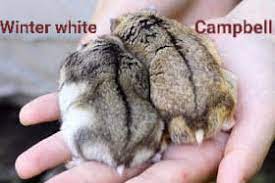
Winter White hamsters often have a faint dark stripe along their back. This stripe can fade in winter. Campbell hamsters have a clear, dark stripe that stays visible all year. Their cheeks might show spots or patches. These markings are key to telling them apart easily.

Credit: fivelittlehams.wixsite.com
Behavior Traits
Behavior traits reveal much about Winter White and Campbell hamsters. Understanding their habits helps in choosing the right pet. Both types have unique qualities in activity, social habits, and temperament. This section highlights those key differences.
Activity Levels
Winter White hamsters are quite active during the night. They enjoy running on wheels and exploring their cages. Campbell hamsters also show high activity at night but may be a bit livelier. Both need space and toys to stay busy and healthy.
Social Interaction
Winter White hamsters can sometimes live peacefully with others. They tolerate company better than Campbells. Campbell hamsters prefer to live alone and may act aggressively if kept with others. Careful observation is important when housing them.
Handling And Temperament
Winter White hamsters tend to be gentle and calm when handled. They adapt well to human interaction with patience. Campbell hamsters may be more nervous and quick to bite. Regular, gentle handling helps build trust with either type.
Habitat And Environment
Understanding the habitat and environment of Winter White and Campbell hamsters helps ensure their well-being. Each species has unique needs based on their natural surroundings. Providing the right habitat supports their health and happiness.
Natural Habitat
Winter White hamsters live in cold regions of Siberia and Kazakhstan. They prefer grasslands and forest edges. These areas have dense bushes and tall grass for hiding.
Campbell hamsters come from the steppes of Central Asia. Their habitat is dry with sparse vegetation. They often burrow underground to escape heat and predators.
Cage Requirements
Both hamsters need a spacious cage with good ventilation. Winter White hamsters enjoy tunnels and hiding spots. Soft bedding helps them stay warm and cozy.
Campbell hamsters require a sturdy cage with plenty of digging material. Deep bedding allows natural burrowing behavior. Add chew toys to keep their teeth healthy.
Preferred Climate
Winter White hamsters thrive in cooler temperatures around 60-70°F. Their fur changes color with seasons for camouflage. Avoid warm and humid rooms for them.
Campbell hamsters prefer a slightly warmer climate near 65-75°F. They tolerate dry air well but need fresh water daily. Keep their space free from drafts and extreme heat.
Diet And Nutrition
Diet and nutrition play a key role in keeping Winter White and Campbell hamsters healthy. Both hamsters need balanced meals for energy and strong bodies. Their diet supports growth, activity, and overall well-being. Knowing what to feed them helps prevent health issues.
Common Foods
Both hamsters enjoy seeds, grains, and fresh vegetables. Sunflower seeds, pumpkin seeds, and oats are favorites. Carrots, cucumbers, and broccoli provide vitamins and moisture. Small amounts of fruits like apples or berries work well. Avoid citrus fruits as they can upset their stomachs.
Feeding Habits
Winter White and Campbell hamsters eat small amounts throughout the day. They like to store food in their cheek pouches. Offer fresh food daily and remove leftovers to prevent spoilage. Keep water fresh and available at all times. Avoid overfeeding to stop obesity and related problems.
Special Dietary Needs
Winter White hamsters need less fat compared to Campbell hamsters. Campbell hamsters may require extra protein for muscle health. Both hamsters benefit from occasional treats like mealworms or boiled egg pieces. Avoid sugary or processed foods that harm their digestion. Consult a vet for special diet advice if needed.
Health And Lifespan
Understanding the health and lifespan of Winter White and Campbell hamsters helps owners care better. Both types have unique needs and common health concerns. Knowing these details supports a happy and long life for your pet hamster.
Common Health Issues
Winter White hamsters often face wet tail, a serious digestive problem. It causes diarrhea and weakness. Campbell hamsters can get respiratory infections easily. Both types might develop tumors as they age. Dental problems occur if they lack chew toys. Watch for signs like sneezing, lethargy, or loss of appetite.
Lifespan Expectancy
Winter White hamsters usually live about 1.5 to 2 years. Campbell hamsters have a similar lifespan, often 1.5 to 2 years too. Proper care can extend their lives slightly. Stress and poor diet shorten their time. Regular monitoring helps spot health issues early, improving lifespan.
Preventive Care Tips
Provide a clean cage with fresh bedding often. Offer a balanced diet rich in hamster pellets and fresh vegetables. Avoid sudden changes in temperature to prevent stress. Give chew toys to keep teeth healthy. Handle your hamster gently to reduce anxiety. Regular vet check-ups catch problems before they worsen.
Breeding And Reproduction
Breeding and reproduction are important topics for anyone interested in Winter White and Campbell hamsters. These two species have unique traits in how they mate and care for their young. Understanding these differences helps in providing the best environment for healthy offspring.
Breeding Behavior
Winter White hamsters are generally gentle during breeding. They become more active and may show signs of nesting. Campbell hamsters can be more aggressive. They may fight if not introduced carefully. Both species are most fertile in spring and summer. Males often chase females before mating.
Gestation Period
The gestation period for Winter White hamsters lasts about 20 days. Campbell hamsters have a similar gestation length, around 19 to 21 days. This short pregnancy means quick preparation is needed. Females build nests to protect their young before birth.
Care For Offspring
Mother hamsters care for their babies with great attention. Winter Whites tend to be calmer mothers. They clean and feed their pups regularly. Campbell mothers can be more protective and sometimes aggressive. Avoid disturbing the nest to prevent stress. Babies open their eyes after about two weeks. They start eating solid food around the same time.
Choosing The Right Hamster
Choosing the right hamster is key to a happy pet and owner. Both Winter White and Campbell hamsters have unique traits. Understanding these traits helps pick the best fit for your home and lifestyle.
Think about your experience, family, and daily routine. These factors affect how well you and your hamster will get along.
Suitability For Beginners
Winter White hamsters are gentle and calm. They adapt well to handling. This makes them great for first-time owners. Campbell hamsters can be more active and sometimes nippy. Beginners might find them a bit harder to tame. Patience is needed with Campbell hamsters.
Family Compatibility
Winter White hamsters are usually friendly and less likely to bite. They suit families with children better. Campbell hamsters may be more independent and less tolerant of rough play. Kids should be taught to handle them gently. Both types need respect and care from all family members.
Space And Time Considerations
Winter White hamsters need a quiet, safe space with room to explore. They enjoy short, gentle playtimes. Campbell hamsters require more active play and mental stimulation. They may need extra toys and time out of the cage. Both hamsters thrive with regular, daily attention.

Credit: www.youtube.com
Frequently Asked Questions
What Are The Main Differences Between Winter White And Campbell Hamsters?
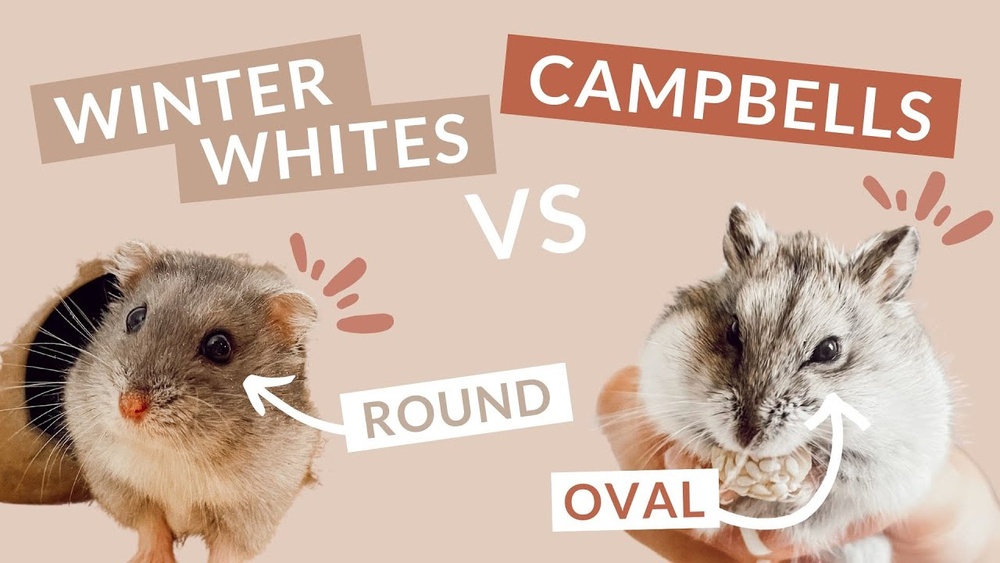
Winter White hamsters change fur color in winter, turning white. Campbell hamsters do not. Winter Whites are generally rounder and have a softer temperament. Campbell hamsters are smaller, more active, and have distinct cheek pouches. Both need similar care but differ in behavior and appearance.
Which Hamster Is Better For Beginners, Winter White Or Campbell?
Winter White hamsters are better for beginners due to their calm nature. Campbell hamsters can be more skittish and active. Both require gentle handling, but Winter Whites adapt faster to human interaction. Choose based on temperament preference and handling experience for a smooth start.
How Do Winter White And Campbell Hamsters Differ In Diet?
Both hamsters eat similar diets, including seeds, grains, and vegetables. Winter White hamsters might prefer slightly more moisture-rich foods due to their natural habitat. Campbell hamsters need a balanced diet to prevent obesity. Always provide fresh water and avoid sugary treats for both types.
Are Winter White Or Campbell Hamsters More Social Pets?
Winter White hamsters tend to be more social and tolerant of handling. Campbell hamsters can be more territorial and less social. Neither species is ideal for group housing; they prefer solo living. Socialization depends on early handling and individual personality.
Conclusion
Both Winter White and Campbell hamsters make great pets. Each has unique traits that suit different owners. Winter Whites are calm and friendly, while Campbells are lively and curious. Choose based on your home and time for care. Both hamsters need a clean cage and gentle handling.
Enjoy the joy and fun these small pets bring. Take time to learn about each before deciding. Your new hamster will be a happy friend with the right care.