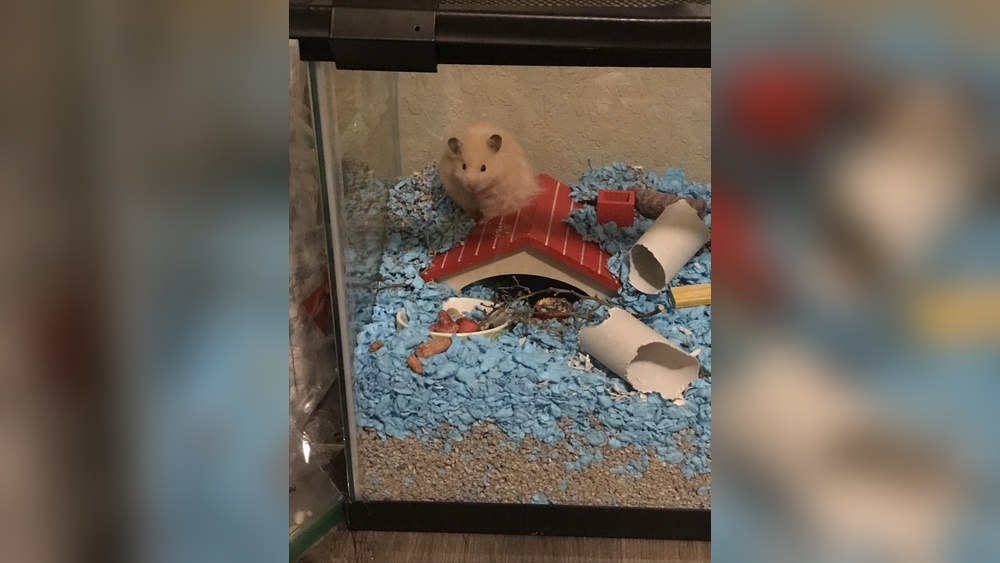
Why is My Hamster Trying to Escape: Top Reasons Revealed
Have you noticed your hamster making a break for it? You might be wondering, “Why is my hamster trying to escape?” It can be frustrating and even a little worrying when your tiny friend keeps digging, climbing, or squeezing through bars.
But understanding the reasons behind this behavior can help you keep your pet happy and safe. You’ll discover the common causes of escape attempts and learn simple ways to make your hamster feel right at home. Keep reading to find out what your hamster is really trying to tell you.
Common Escape Behaviors
Hamsters are curious and active creatures. They often try to escape their cages. Understanding their common escape behaviors helps keep them safe and happy.
Escape attempts show your hamster’s need for more space or mental stimulation. Watching these behaviors gives clues about what your pet needs.
Signs Your Hamster Wants Out
Your hamster may chew cage bars or dig at the bedding. These actions show frustration or boredom. Repeated climbing on cage walls is another sign. It means your hamster wants to explore beyond its cage. Nighttime restlessness or loud wheel running may also indicate escape desire. These signs mean your hamster needs more playtime or a bigger home.
How Hamsters Plan Their Escape
Hamsters use their sharp teeth to chew through plastic or wood. They also dig tunnels under cage floors or bedding. Some push loose parts of the cage to create openings. Hamsters watch their environment carefully before making a move. They may wait for quiet times to try escaping. Understanding these tactics can help you secure their cage better.
Boredom And Lack Of Stimulation
Hamsters are active animals that need mental and physical exercise. Without enough stimulation, they get bored. Bored hamsters often try to escape their cages. They want to explore and find new things to do. This behavior is a sign they need more activities and toys to keep them busy.
Importance Of Toys And Activities
Toys help hamsters stay active and happy. Running wheels, tunnels, and chew toys keep their minds sharp. These items also satisfy their natural instincts to dig and chew. Without toys, hamsters feel trapped and restless. Providing different toys can stop escape attempts. It gives them a safe way to explore and play.
How To Keep Your Hamster Engaged
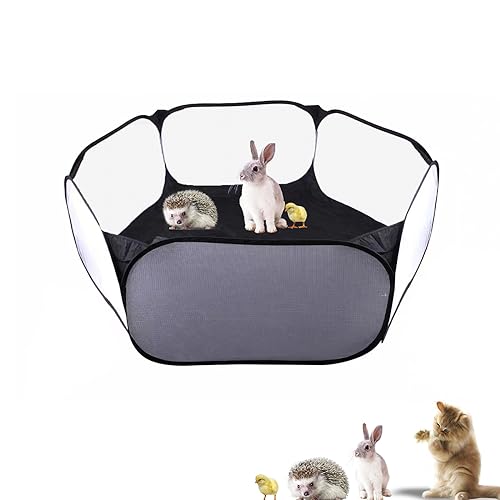
Change toys regularly to keep your hamster interested. Add new items like cardboard tubes or small balls. Create a play area outside the cage for supervised fun. Rotate toys every few days to avoid boredom. Give your hamster time outside the cage in a secure space. These steps help your pet feel happy and less likely to escape.
Unsuitable Living Conditions
Hamsters try to escape mostly because their home does not feel right. Poor living conditions make them restless and stressed. They want to find a better place to live. Understanding these conditions helps keep your hamster safe and happy.
Cage Size And Comfort
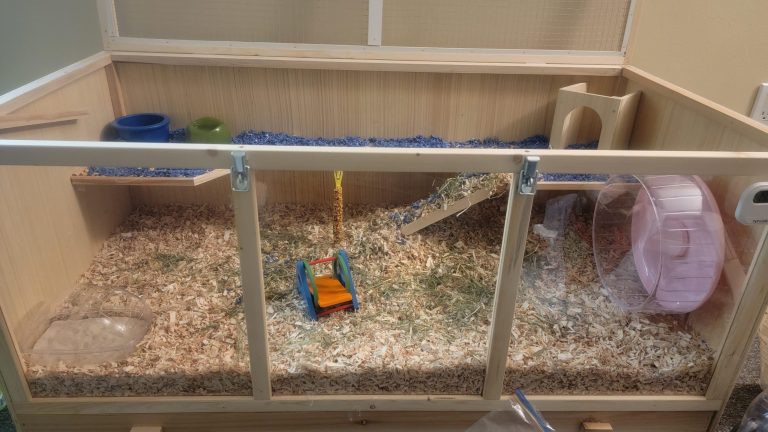
Hamsters need enough space to move and play. A small cage feels like a trap. It stops them from exploring and exercising. Soft bedding and hiding spots add comfort. Without these, hamsters feel unsafe and try to escape.
Temperature And Environment Factors
Hamsters are sensitive to heat and cold. A cage placed in direct sunlight or near cold drafts causes stress. Loud noises and bright lights also disturb them. A calm, quiet, and stable environment helps hamsters feel secure. Unstable conditions make them want to run away.

Credit: www.reddit.com
Stress And Anxiety Triggers
Hamsters often try to escape because they feel stressed or anxious. Stress and anxiety can make your pet restless and desperate to get out. Understanding these triggers helps you keep your hamster calm and safe.
Common Stressors For Hamsters
Loud noises scare hamsters easily. They have sensitive hearing.
Bright lights can disturb their natural sleep cycle.
Poor cage setup with little space makes them feel trapped.
Sudden changes in their environment cause confusion and fear.
Too much handling or rough play can stress them out.
Other pets near the cage may frighten your hamster.
Reducing Anxiety In Your Pet
Provide a quiet, calm area for the cage.
Use soft lighting and avoid sudden bright flashes.
Give your hamster enough space to explore safely.
Keep the cage clean and familiar to reduce stress.
Handle your hamster gently and for short times.
Offer hiding spots so they feel secure and safe.
Natural Instincts And Exploration
Hamsters have strong natural instincts to explore and roam. They are active animals that enjoy moving around and discovering new spaces. These instincts drive them to try escaping their cages. Understanding these behaviors helps in caring for them better.
Hamsters’ Need To Roam
Hamsters are made to be busy. In the wild, they travel long distances to find food and build homes. This need to move is very strong. A small cage often feels like a trap to them. They try escaping to satisfy this urge and feel free.
Encouraging Safe Exploration
Letting hamsters explore safely is important. Provide a larger cage or playpen for more space. Offer toys like tunnels and wheels to keep them active. Supervised time outside the cage also helps. This way, they get to roam without risk.

Credit: www.reddit.com
Health Issues Influencing Behavior
Hamsters may try to escape because of health problems. When they feel sick, their behavior can change a lot. They might act restless or try to run away from their cage. Health issues often make hamsters uncomfortable or stressed. This can lead to unusual activity like escape attempts. Observing your hamster’s health helps you understand why it acts this way.
Signs Of Illness Affecting Activity
Watch for signs like loss of appetite or weight. Hamsters that are sick may move less or become very tired. Look for sneezing, coughing, or runny eyes and nose. Notice if your hamster has a wet or dirty bottom. Swelling or lumps on the body can also mean illness. These signs can cause your hamster to behave oddly.
When To Consult A Veterinarian
Take your hamster to a vet if it shows illness signs. Early checkups prevent serious health problems. A vet can find the cause of strange behavior. They provide treatment to help your hamster feel better. Don’t wait if your pet looks weak or stops eating. Quick care improves recovery and stops escape attempts.
Preventing Escape Attempts
Hamsters try to escape for many reasons. They feel curious, bored, or unsafe. Preventing escape attempts keeps your pet safe and happy. It also gives you peace of mind. Small changes can stop your hamster from slipping away.
Secure Cage Tips
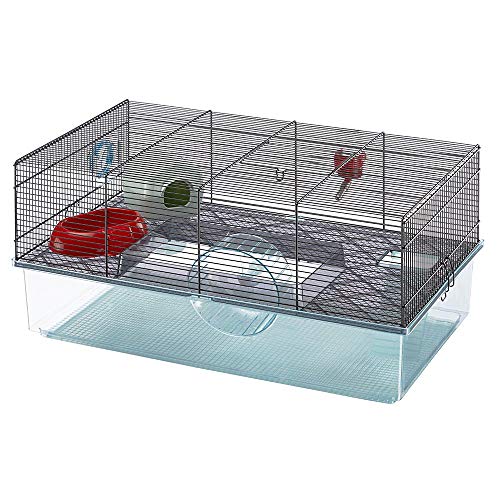
Use a cage with tight bars and a strong door. Check for any gaps or holes regularly. Lock the cage door firmly after each visit. Avoid cages with wide spaces between bars. Add a secure latch to prevent accidental openings. Place the cage away from edges or high surfaces. This lowers the risk of falls if your hamster escapes.
Daily Care Routines To Minimize Escapes
Spend time with your hamster every day. Play and handle gently to build trust. Provide toys and tunnels inside the cage. This keeps your hamster busy and less restless. Change bedding and food often to keep the environment fresh. A clean cage feels safer to your pet. Watch your hamster’s behavior for signs of stress or boredom. Adjust care routines to suit its needs better.
Credit: www.reddit.com
Frequently Asked Questions
Why Does My Hamster Try To Escape Its Cage?
Hamsters often try to escape due to boredom, lack of stimulation, or a small cage. Providing toys and a larger habitat helps reduce escape attempts.
Can Stress Cause Hamsters To Escape Their Enclosure?
Yes, stress from loud noises, frequent handling, or sudden changes can make hamsters try to flee. A calm environment lowers stress and escape behavior.
How Can I Prevent My Hamster From Escaping?
Ensure the cage is secure, provide enough space, and enrich their environment with toys. Regular interaction and exercise also keep hamsters content and less likely to escape.
Is My Hamster Unhappy If It Tries To Escape?
Escape attempts can indicate unhappiness or unmet needs. Check for proper diet, habitat comfort, and social interaction to improve your hamster’s wellbeing.
Conclusion
Hamsters try to escape for many simple reasons. They may feel bored or need more exercise. Their cage might be too small or not interesting enough. Sometimes, they want to explore new places. Watching your hamster closely helps you understand its behavior.
Give your pet toys and a bigger space to roam. A happy hamster stays safe and calm. Remember, small changes can make a big difference. Keep your furry friend comfortable and enjoy your time together.