How Long Does a Hamster Hibernate for? Surprising Facts Revealed!
Have you ever wondered if your hamster ever takes a long, deep sleep like animals that hibernate? You might be curious about how long a hamster hibernates and what signs to look for.
Understanding this can help you care for your tiny friend better and avoid unnecessary worry. You’ll discover the truth about hamster hibernation and what it means for your pet’s health. Keep reading—you’ll want to know these important facts to keep your hamster safe and happy.
Hamster Hibernation Basics
Understanding hamster hibernation basics helps pet owners care better. Hibernation is a natural process for some animals. It involves slowing down the body to save energy during cold months.
Hamsters are small and sensitive to temperature changes. Knowing if they hibernate can prevent health risks. Let’s explore what hibernation means and if hamsters do it.
What Is Hibernation?
Hibernation is a deep sleep some animals enter in winter. Their heart rate slows, and body temperature drops. This helps them use less energy when food is scarce. Animals like bears, bats, and some rodents hibernate. It is a survival method to cope with cold and lack of food.
Do Hamsters Hibernate?
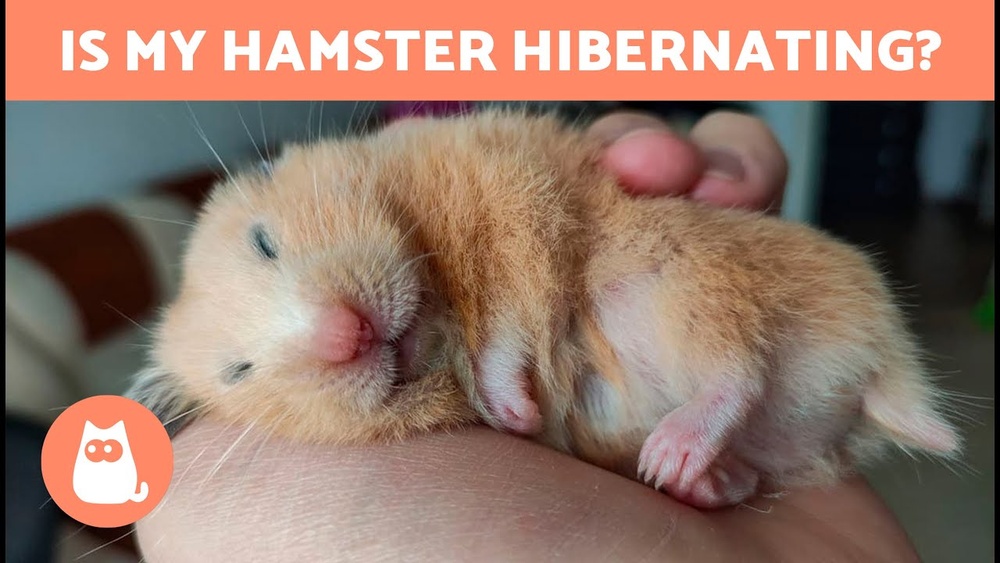
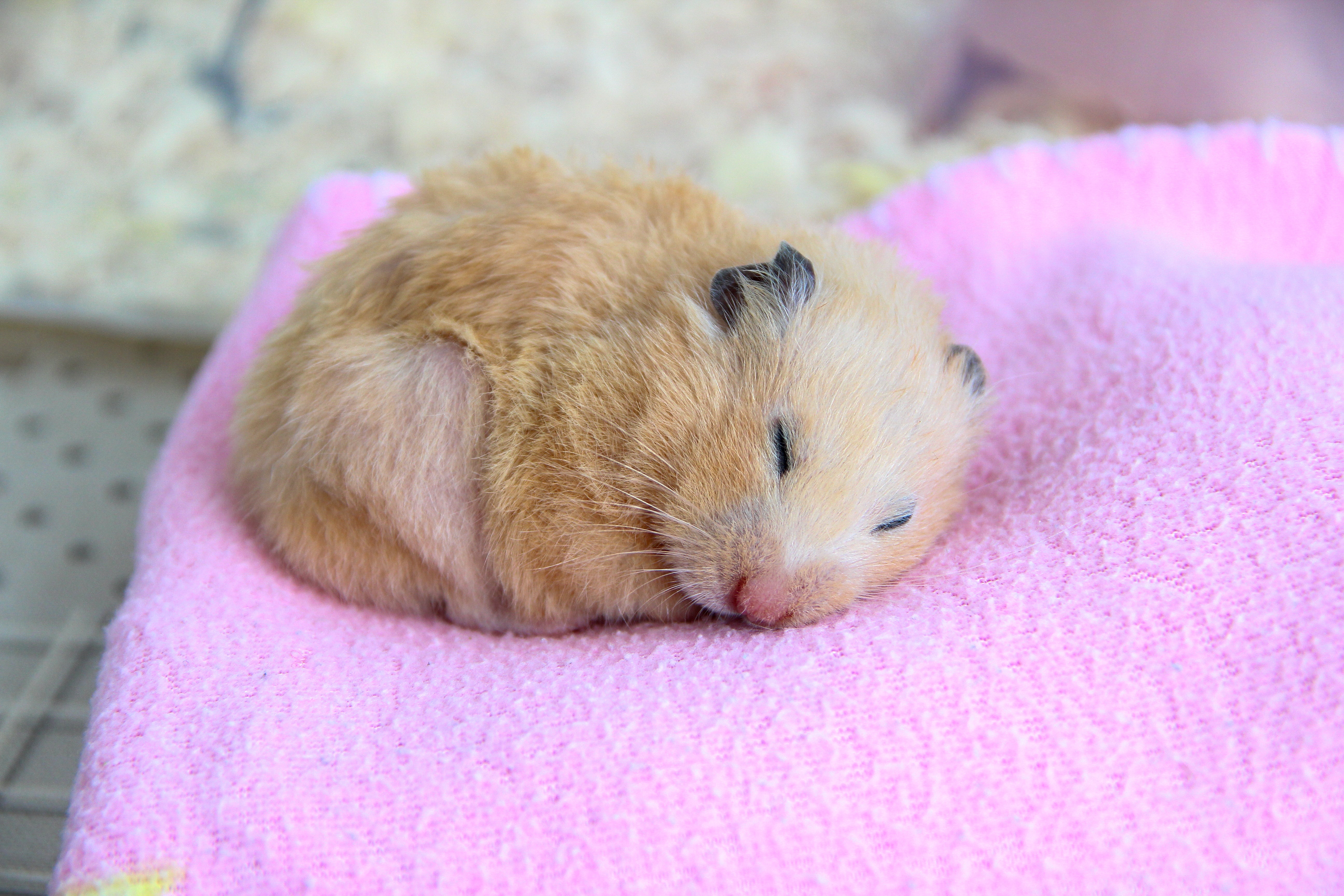
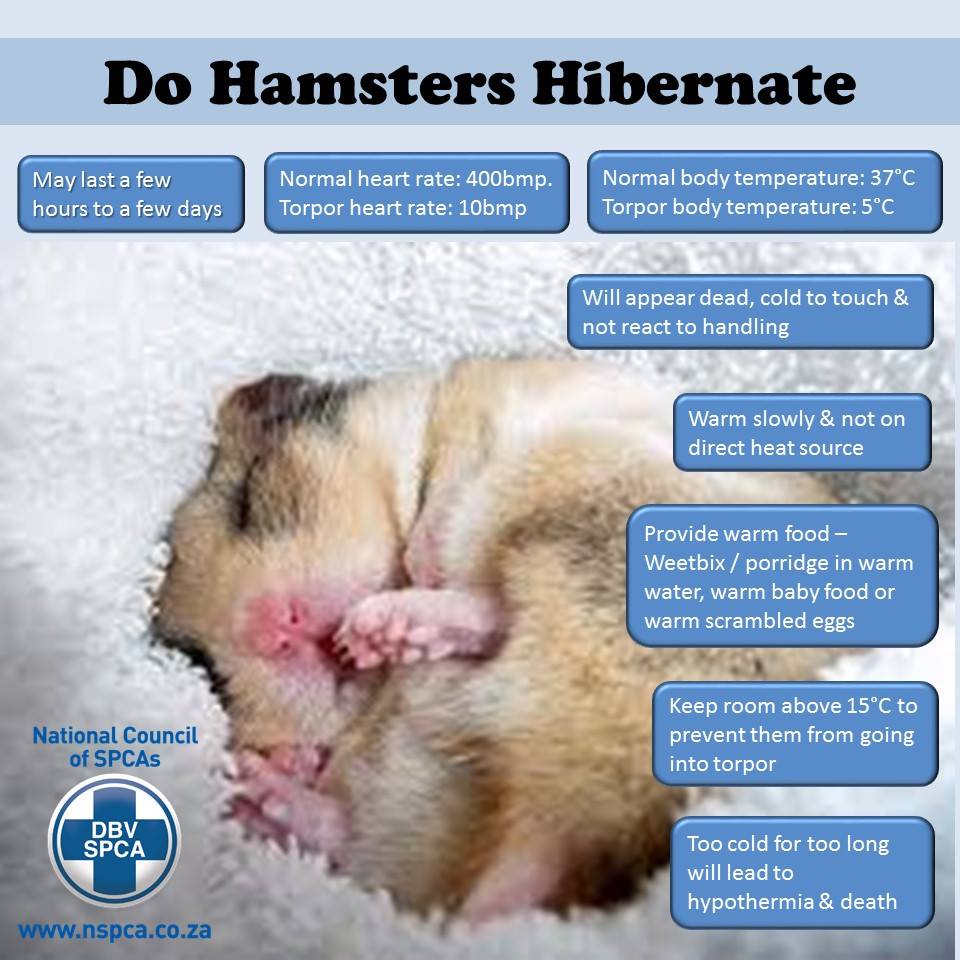
Hamsters do not truly hibernate like bears or bats. Instead, they enter a state called torpor. Torpor is a light hibernation lasting a few hours or days. Their body slows down but not as much as true hibernators. Torpor helps them survive cold nights but not long winters. Pet hamsters rarely enter torpor if kept warm and fed well.
Credit: www.direct4pet.co.uk
Duration Of Hamster Hibernation
Hamsters sometimes enter a state called hibernation. This is a way to save energy when it is cold or food is scarce. The time they spend in hibernation varies. Understanding this helps pet owners care for their hamsters better.
The duration depends on many things. It is not the same for every hamster. Let’s explore the typical length and what changes it.
Typical Length Of Hibernation
Most hamsters hibernate for about a few hours to a few days. The usual time is around 12 to 48 hours. Some may sleep longer if conditions are very cold or food is very low. It is rare for a hamster to hibernate for more than a week. Their body temperature drops, and they move very little during this time.
Factors Affecting Hibernation Time
Temperature plays a big role in hibernation length. Colder temperatures make hamsters sleep longer. Warmer rooms shorten the hibernation period. The hamster’s age matters too. Younger and older hamsters may hibernate less or not at all. The amount of food available also affects hibernation. If food is easy to find, the hamster may wake sooner. Stress and health can change hibernation time as well.
Signs Of Hibernation In Hamsters
Hamsters rarely hibernate like some animals do, but they can enter a state similar to hibernation. This happens when the temperature is very cold or if they get very tired. Recognizing the signs helps you know if your hamster needs extra care. Watch closely for changes in behavior and body.
Behavioral Changes
Hamsters may stop moving much and stay in one spot. They might not eat or drink as usual. You could see them sleeping for very long times. Their usual active times may shrink. They seem less interested in playing or exploring their cage. These changes signal they are slowing down for rest.
Physical Indicators
Their body temperature drops and feels cooler than normal. Breathing becomes very slow and quiet. Heart rate also slows down noticeably. Muscles relax and the hamster looks limp. You might notice their body looks smaller or thinner. These signs show the hamster is in a low-energy state.

Credit: www.vets4pets.com
Why Hamsters Hibernate
Hamsters hibernate to survive tough times. This natural behavior helps them cope with cold and food shortages. Understanding why hamsters hibernate reveals their smart survival skills. It also explains how they adapt to their environment.
Environmental Triggers
Hamsters start hibernating when temperatures drop. Cold weather signals their bodies to slow down. Low food supply also triggers hibernation. These changes tell hamsters to save energy. Their body prepares by lowering heart rate and breathing.
Survival Mechanisms
Hibernation helps hamsters survive winter without much food. Their body uses stored fat for energy. They stay hidden in nests to stay safe. Slower body functions mean less energy is needed. This state can last days or weeks, depending on conditions.
Differences Among Hamster Species
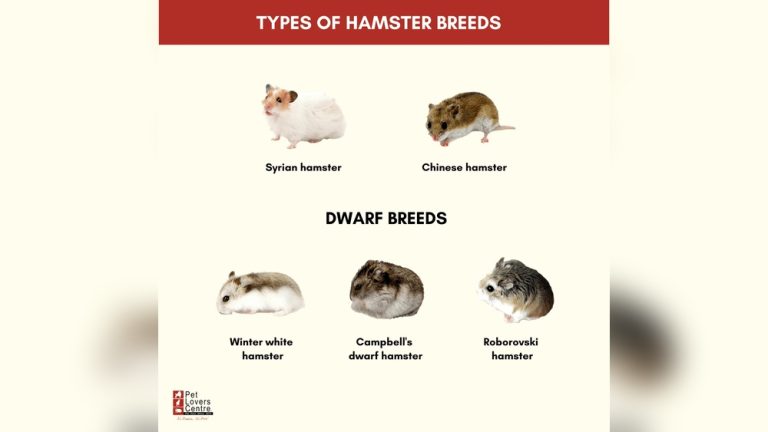
Hamsters belong to different species, and their hibernation habits vary. Understanding these differences helps in caring for them properly. Some species hibernate longer, while others may not hibernate at all. Temperature and environment also affect their hibernation patterns.
Syrian Hamsters
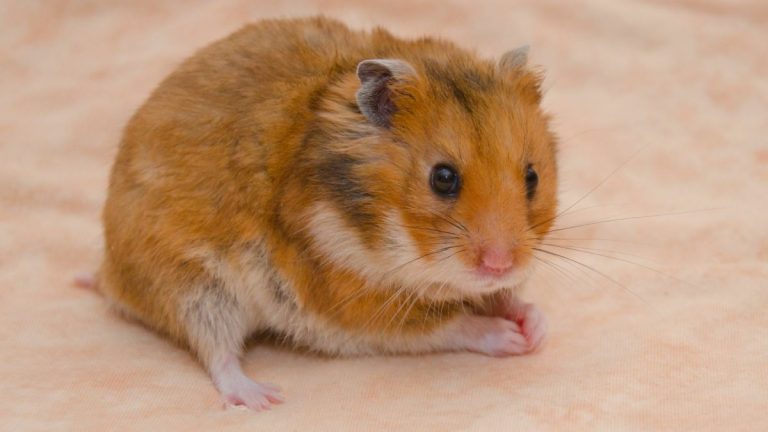
Syrian hamsters rarely hibernate in captivity. They live in warmer climates in the wild. If the temperature drops too low, they might enter a light hibernation. This state can last from a few hours to a couple of days. Owners should keep their environment warm to avoid this. It helps keep Syrian hamsters active and healthy.
Dwarf Hamsters
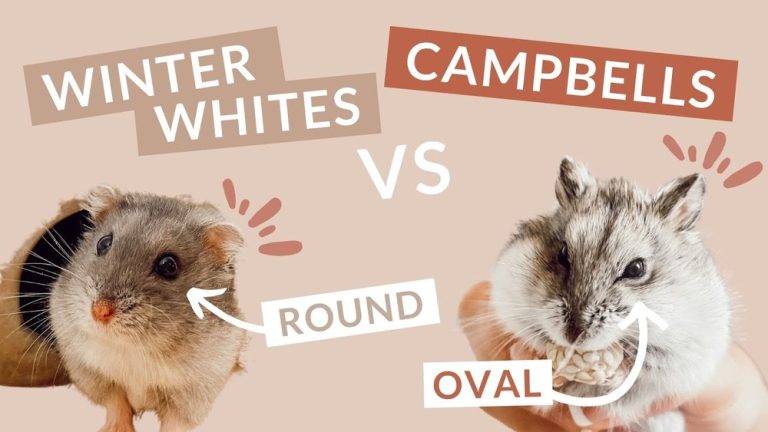
Dwarf hamsters are more likely to hibernate than Syrians. They live in colder areas in the wild. Their hibernation can last several days to a few weeks. During this time, their body slows down significantly. This helps them survive cold weather and food shortages. Owners must monitor temperature closely to prevent unwanted hibernation.
Risks And Concerns During Hibernation
Hamster hibernation can be risky for your pet. It is not the same as deep sleep. During hibernation, hamsters slow down their body functions. This can cause health problems if not monitored carefully.
Hibernation may lead to serious issues like low body temperature and weak heartbeats. These risks can make your hamster very sick or even cause death. Understanding these risks helps you protect your pet better.
Health Risks
Low body temperature is a common danger during hibernation. Hamsters may become too cold to wake up. Their breathing and heartbeat slow down a lot. This can cause organ damage. Starvation is another risk. Hamsters do not eat during hibernation, which can weaken them. Dehydration can happen too, as they might not drink water. These health problems need quick attention.
When To Seek Veterinary Help
Watch your hamster closely during hibernation. If it stays very cold or does not wake up after many hours, get help. Signs like weak breathing, limp body, or pale skin need urgent care. Contact a vet if your hamster looks very weak or unresponsive. Early treatment can save your hamster’s life. Do not wait too long to ask for help.
How To Care For A Hibernating Hamster
Caring for a hibernating hamster requires patience and gentle attention. Hamsters enter hibernation to survive cold or low food supply. During this time, their body slows down, and they need a calm place. Disturbing them can cause stress or harm. Learn how to make their space safe and comfortable.
Creating A Safe Environment
Choose a quiet spot away from loud noises and bright lights. Use soft bedding like shredded paper or aspen wood shavings. Avoid cedar or pine, as they can harm your hamster. Keep the cage clean but avoid sudden changes during hibernation. Check the hamster gently without waking it. Offer fresh water nearby but do not force feeding.
Temperature And Lighting Tips
Keep room temperature between 60°F and 70°F (15°C to 21°C). Cooler temperatures trigger hibernation, so avoid cold drafts. Avoid heating pads or lamps directly on the cage. Use indirect lighting to mimic natural day and night cycles. Dim light helps maintain calm and supports a healthy cycle. Monitor temperature regularly to prevent overheating or chilling.
Credit: buzzen.dk
Myths And Surprising Facts
Hamsters and hibernation stir many questions and stories. Some ideas about their hibernation are not true. Others surprise even the most curious pet owners. Understanding these myths and facts helps care for hamsters better.
Common Misconceptions
Many people think all hamsters hibernate in winter. This is not true for all species. Some types may enter a state like hibernation, but it is rare. Many hamsters just sleep more during cold times. Owners sometimes confuse deep sleep with hibernation.
Another myth is that hamsters hibernate for months. Usually, if they do hibernate, it lasts only a few days or weeks. Long hibernation is dangerous for pet hamsters. It can cause health problems or death.
Interesting Hamster Hibernation Facts
Hamsters can enter a state called torpor. It helps them save energy in cold weather. Torpor is lighter and shorter than true hibernation. Their body temperature and heart rate drop slightly.
Wild hamsters may hibernate to survive harsh winters. Pet hamsters rarely hibernate due to warm indoor environments. Owners should watch for signs like coldness or slow movement. These signs may mean the hamster is too cold, not hibernating.
Proper care includes keeping hamsters warm and active. This helps avoid accidental torpor. Knowing the truth about hamster hibernation keeps pets safe and healthy.
Frequently Asked Questions
Do Hamsters Actually Hibernate In Winter?
Hamsters do not truly hibernate but enter a state called torpor. Torpor is a short-term, light sleep to conserve energy. It usually lasts a few hours to a couple of days, especially in cold conditions. True hibernation is rare in pet hamsters.
How Long Can A Hamster Stay In Torpor?
A hamster can remain in torpor anywhere from a few hours to about 48 hours. The duration depends on temperature and the hamster’s health. Torpor helps them survive cold spells but is not a prolonged hibernation like bears experience.
What Signs Show A Hamster Is Hibernating?
Signs include very slow breathing, low body temperature, and reduced movement. The hamster may appear lifeless or deeply asleep. If unsure, gently warm the hamster and observe if it wakes up, as torpor is reversible unlike true hibernation.
Can Cold Temperatures Harm A Pet Hamster?
Yes, cold temperatures can be harmful. Pet hamsters are sensitive to cold and can enter torpor if too cold. Prolonged exposure can cause illness or death. Always maintain a warm, stable environment to keep your hamster healthy.
Conclusion
Hamsters do not truly hibernate like some animals do. They may enter a light sleep called torpor when cold. This state can last from a few hours to a few days. Keep their environment warm and cozy to avoid this.
Watch for signs like slow breathing or little movement. Understanding hamster behavior helps you care for them better. Always provide proper bedding and food. Your pet will stay healthy and happy with good care. Small actions make a big difference.