Can Chinchillas Eat Watermelon: Safe Treat or Risky Snack?
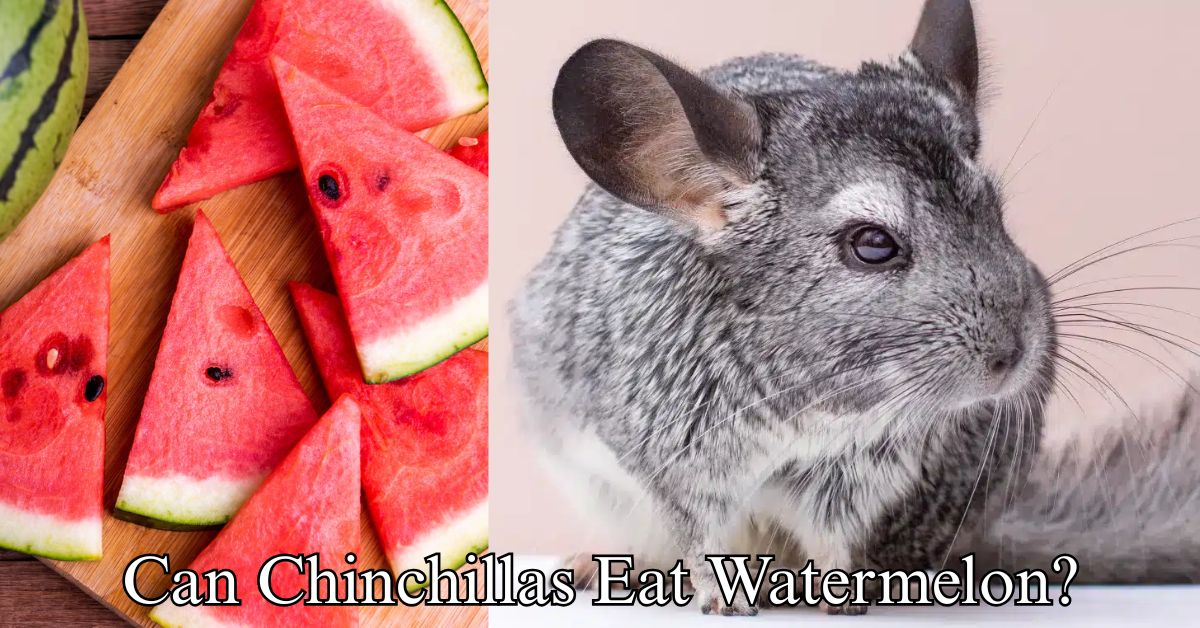
Yes, chinchillas can eat watermelon, but only in small amounts. Watermelon is not a regular part of their diet.
Chinchillas are cute, fluffy pets that need a special diet. Their main food is hay and pellets. Fruits like watermelon can be a treat, but they contain a lot of water and sugar. This can cause digestive issues for chinchillas.
It’s important to know the right way to give watermelon to your pet. In this blog, we will explore the benefits and risks of feeding watermelon to chinchillas. You will also learn how to safely offer this juicy fruit to your furry friend. Let’s dive in and ensure your chinchilla stays happy and healthy!
Introduction To Chinchilla Diet
Chinchillas are unique pets with special dietary needs. Understanding their diet is crucial for their health and well-being. This guide will help you understand what foods are safe and beneficial for chinchillas.
Natural Diet
In the wild, chinchillas eat a variety of plants, grasses, and roots. Their natural diet is high in fiber, which is essential for their digestive health. They thrive on a diet that mimics these natural foods.
Chinchillas have sensitive digestive systems. They need specific types of food to stay healthy. A diet high in fiber and low in sugar is best. This helps prevent digestive issues and keeps them active and happy.
Common Foods
There are several common foods that are suitable for chinchillas. These include:
- Hay: Timothy hay, alfalfa hay, and orchard grass are great choices. They provide the necessary fiber for digestion.
- Pellets: High-quality chinchilla pellets are formulated to meet their nutritional needs. They should be a staple in their diet.
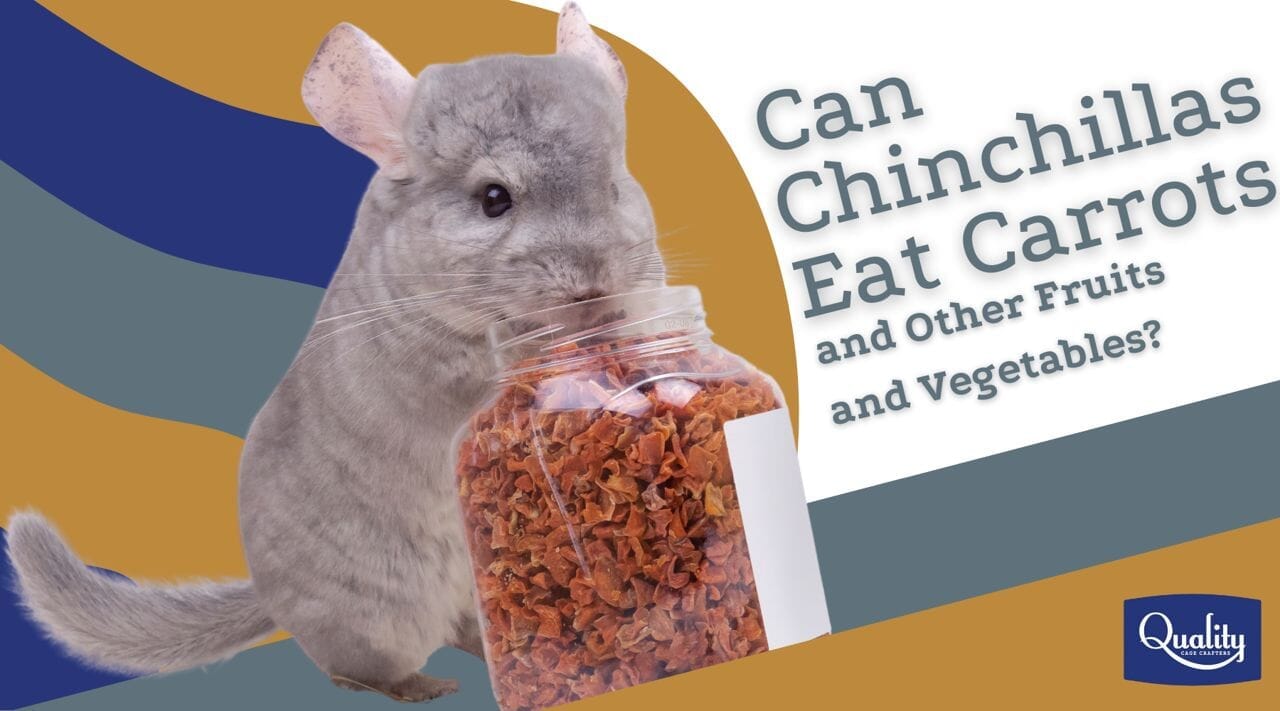
- Vegetables: Small amounts of carrots, kale, and spinach can be given as treats. Avoid giving too many vegetables as they can cause digestive issues.
It’s important to avoid foods that are harmful to chinchillas. These include:
- Fruits: Most fruits are too high in sugar for chinchillas. This includes watermelon, which can cause digestive problems.
- Nuts and seeds: These are high in fat and can lead to obesity.
- Dairy products: Chinchillas cannot digest lactose, making dairy a poor choice.
Understanding the basics of a chinchilla’s diet helps ensure they live a long, healthy life. Always provide fresh water and keep their diet consistent.
Nutritional Needs Of Chinchillas
Chinchillas have sensitive digestive systems. They can eat small amounts of watermelon occasionally. It’s important to remove seeds and rind first.
Chinchillas have specific dietary needs. Their diet must be balanced to ensure their health. They require a diet high in fiber and low in fat. This helps their digestive system work properly.
Vitamins And Minerals
Chinchillas need vitamins and minerals. These nutrients support their overall health. Vitamin C is crucial for their immune system. It helps them fight off illnesses. Calcium is another essential mineral. It keeps their bones strong and healthy.
Fiber Importance
Fiber is very important in a chinchilla’s diet. It aids in digestion and prevents blockages. High-fiber foods like hay should be a staple. They keep the digestive tract moving smoothly. Low-fiber diets can lead to serious health issues. Always ensure your chinchilla gets enough fiber daily.
“`
Potential Benefits Of Watermelon
Chinchillas are popular pets known for their soft fur and playful nature. As a responsible pet owner, you might wonder if watermelon is a suitable treat for your chinchilla. Let’s explore the potential benefits of feeding watermelon to chinchillas under the following headings.
Hydration
Watermelon is known for its high water content. This can help keep your chinchilla hydrated. Chinchillas often need extra hydration, especially in warm weather. Offering small pieces of watermelon can help meet this need.
Here are some benefits of watermelon for hydration:
- Watermelon contains about 92% water.
- It can help prevent dehydration.
- Hydration is crucial for their overall health.
Nutrient Content
Watermelon is not just water. It also has essential nutrients that can benefit your chinchilla. Below is a table showing some key nutrients found in watermelon:
| Nutrient | Benefit |
|---|---|
| Vitamin C | Boosts immune system |
| Vitamin A | Supports vision and skin health |
| Potassium | Helps maintain fluid balance |
In addition to these nutrients, watermelon also has antioxidants. Antioxidants can help protect your chinchilla’s cells from damage. This can lead to better overall health.
Remember to feed watermelon in moderation. Too much can upset your chinchilla’s stomach. Always remove any seeds before offering watermelon to your pet.
Credit: www.tiktok.com
Possible Risks Of Watermelon
While watermelon can be a refreshing treat, it may not be safe for chinchillas. Understanding the potential risks is crucial for the well-being of your pet. Two major concerns are the high sugar content and potential digestive issues.
High Sugar Content
Watermelon contains a high amount of sugar. For a chinchilla, this can be problematic. Their digestive systems are not designed to handle large amounts of sugar. Eating sugary foods can lead to obesity and other health problems.
Here’s a quick comparison of sugar content in fruits:
| Fruit | Sugar Content (per 100g) |
|---|---|
| Watermelon | 6g |
| Apple | 10g |
| Banana | 12g |
As you can see, watermelon has less sugar than some other fruits. Yet, it’s still too high for a chinchilla’s diet.
Digestive Issues
Chinchillas have sensitive digestive systems. Introducing new foods can cause digestive problems. Watermelon is high in water content, which can lead to diarrhea.
Here’s why watermelon might cause issues:
- High Water Content: Can cause loose stools.
- Fiber: Lack of enough fiber can disrupt digestion.
- Sudden Diet Change: New foods can upset their stomachs.
Even small amounts of watermelon can lead to digestive upset. Always prioritize your pet’s health and stick to foods they can safely eat.
How Much Watermelon To Offer
Chinchillas can enjoy watermelon as a treat. But it’s crucial to know how much watermelon to offer your furry friend. Below, we will discuss the perfect portion size and the frequency of treats to ensure your chinchilla stays healthy and happy.
Portion Size
When offering watermelon to your chinchilla, keep the portion size small. A tiny slice, about the size of a thumbnail, is enough. Watermelon is high in water content, which can cause digestive issues if given in large amounts.
Use a small piece to start. Observe how your chinchilla reacts. If there are no issues, you can offer it again as a treat. Remember, moderation is key.
Frequency Of Treats
Chinchillas should not have watermelon daily. Offer it no more than once a week. This ensures they don’t get too much sugar, which can lead to health problems.
Besides watermelon, provide a variety of treats. This keeps your chinchilla’s diet balanced and interesting. You can include other safe fruits and vegetables in their diet.
Here is a simple table to help you:
| Food Item | Frequency |
|---|---|
| Watermelon | Once a week |
| Apple (small piece) | Once a week |
| Carrot (small piece) | Twice a week |
Always monitor your chinchilla’s health. If you notice any digestive issues, stop offering the treat and consult a vet. A balanced diet is vital for your chinchilla’s well-being.
Signs Of Overfeeding
Feeding your chinchilla a balanced diet is crucial for their health. Overfeeding treats like watermelon can lead to several issues. Being aware of the signs of overfeeding can help you keep your pet in good shape.
Weight Gain
One of the first signs of overfeeding is weight gain. Chinchillas are naturally small and agile. If you notice your pet becoming heavier, it might be a sign they are eating too much. Keep track of your chinchilla’s weight regularly. A small scale can be useful for this.
Behavioral Changes
Behavioral changes can also indicate overfeeding. If your chinchilla becomes less active or seems lethargic, it might be due to overeating. They might also show less interest in their normal food. This is because they are getting too many treats.
| Sign | Description |
|---|---|
| Weight Gain | Chinchilla becomes heavier and less agile. |
| Behavioral Changes | Less active, lethargic, and less interest in normal food. |
Alternatives To Watermelon
Chinchillas have delicate digestive systems. While watermelon is a tempting treat, it may not be the best for them. High water content can cause digestive issues. Fortunately, there are many other fruits and snacks that are safe and healthy for chinchillas. Let’s explore some alternatives to watermelon.
Safe Fruits
Not all fruits are safe for chinchillas. Choose fruits with low sugar and water content. Apples are a good option. They are crunchy and chinchillas love the texture. Always remove seeds and core before giving apples to your pet. Blueberries are another safe choice. They are small and easy to handle. Offer them in moderation due to their sugar content. Strawberries can also be given occasionally. They are sweet but should be served in small portions. Remember to wash all fruits thoroughly to remove any pesticides.
Healthy Snacks
Fruits are not the only treat options. There are many healthy snacks that chinchillas can enjoy. Timothy hay is an excellent choice. It is rich in fiber and helps with digestion. Dried rose hips are another great snack. They are high in vitamin C, which is good for your pet’s health. Oat flakes can also be a tasty treat. They provide energy and are easy to digest. Always ensure that any snacks are free from additives and preservatives. Healthy snacks keep your chinchilla happy and healthy.
Credit: qualitycage.com
Consulting A Veterinarian
Before introducing watermelon to your chinchilla’s diet, consulting a veterinarian is essential. Chinchillas have unique dietary needs, and a professional can offer the best advice. Their health should always be the top priority.
Professional Advice
A veterinarian knows the specific dietary requirements of chinchillas. They can tell if watermelon is safe for your pet. Not all fruits are suitable for chinchillas. For example, some fruits can be too high in sugar. This can lead to health problems.
Your vet can also suggest the right portion sizes. Overfeeding any fruit can cause digestive issues. Chinchillas have sensitive stomachs. A vet’s guidance ensures your pet stays healthy and happy.
Monitoring Health
Once your chinchilla tries watermelon, observe any changes in behavior or health. Look for signs of digestive issues. These include diarrhea, lethargy, or lack of appetite. If you see any negative signs, contact your vet immediately.
Regular check-ups are also important. Your vet can monitor your chinchilla’s overall health. They can catch any issues early. Keeping a close eye on your pet helps ensure they live a long, healthy life.
In summary, always consult a veterinarian before adding new foods to your chinchilla’s diet. Their expert advice can prevent potential health problems.

Credit: qualitycage.com
Frequently Asked Questions
Can Chinchillas Safely Eat Watermelon?
Chinchillas should not eat watermelon. Watermelon is too high in water and sugar content for their delicate digestive systems.
What Happens If Chinchillas Eat Watermelon?
If chinchillas eat watermelon, they may experience digestive issues like diarrhea. It’s best to avoid feeding them watermelon.
Are There Any Fruits Safe For Chinchillas?
Yes, chinchillas can eat small amounts of dried apples, pears, and raisins. Always consult a vet before introducing new foods.
How Much Fruit Can Chinchillas Eat?
Chinchillas should only have fruit as an occasional treat. A tiny piece once a week is sufficient.
Conclusion
Chinchillas can enjoy watermelon as a treat occasionally. Remember moderation is key to ensure their health. Always remove seeds before feeding to avoid any risks. Monitor for any digestive issues post-consumption. Consulting a vet for dietary advice is advisable for their well-being.
Enjoy watching your chinchilla savor this fruity delight responsibly.