Can a Chinchilla Get Wet? Essential Care Tips & Advice
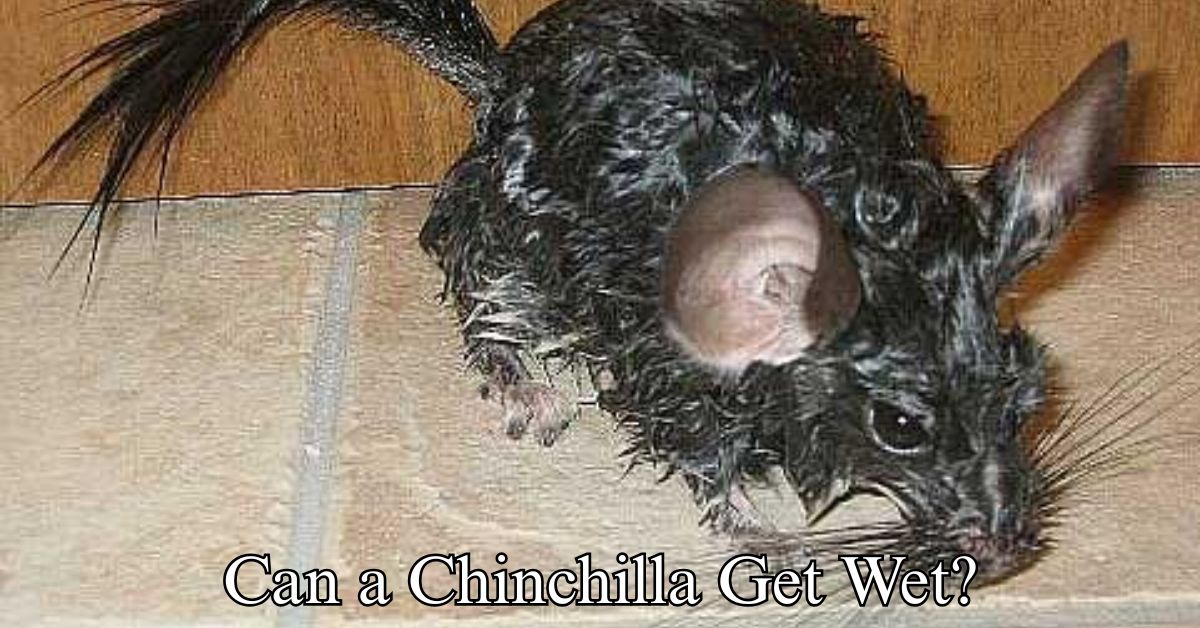
No, a chinchilla should not get wet. Their dense fur makes drying difficult, leading to health issues.
Chinchillas are adorable, fluffy pets known for their soft fur. But did you know that their fur can cause problems if it gets wet? Chinchillas have very thick fur, which traps moisture and can lead to skin infections or fungus.
In the wild, they avoid water to stay healthy. As a pet owner, it’s important to understand why keeping your chinchilla dry is crucial. This blog will explain the reasons behind this and offer tips on how to care for your furry friend. Keep reading to learn more about the best ways to keep your chinchilla healthy and happy without getting them wet.

Credit: www.whimsysmenagerie.com
Introduction To Chinchilla Care
Chinchillas are adorable, fluffy rodents that make great pets. They need special care to stay healthy and happy. Understanding how to care for them properly is crucial for their well-being.
Chinchilla Basics
Chinchillas originate from the Andes mountains in South America. They have dense fur to keep them warm in cold climates. This unique fur makes them sensitive to water. Their diet mainly consists of hay, pellets, and fresh water. They are nocturnal and very active at night.
Importance Of Proper Care
Proper care is essential for a chinchilla’s health. Incorrect care can lead to health issues. For example, getting them wet can cause fungal infections. Instead of water baths, they need dust baths to stay clean. Their cages should be spacious and well-ventilated.
Chinchillas also need mental stimulation. Providing toys and safe items to chew on helps keep them entertained. Regular vet check-ups are important to catch any health problems early.
Chinchilla Fur Characteristics
Chinchillas are known for their incredibly soft and dense fur. This unique characteristic makes them stand out among other small mammals. Understanding the properties of chinchilla fur is essential for their care, especially regarding their interaction with water.
Unique Fur Properties
Chinchilla fur is unlike any other. Each hair follicle produces around 50-75 hairs. This density is crucial for their protection in the wild. The thick fur helps them stay warm in their cold, mountainous habitats. The fine texture also keeps them free from parasites. These unique properties make their fur very special.
Why Fur Matters
Fur quality directly impacts a chinchilla’s health. Wet fur can cause severe issues. Chinchilla fur is not water-resistant. If it gets wet, it takes a long time to dry. Damp fur can lead to fungal infections and skin problems. This is why keeping chinchillas dry is vital for their well-being.
Risks Of Getting Wet
Chinchillas are unique pets with specific care needs. One crucial aspect is keeping them dry. Allowing a chinchilla to get wet can lead to various health risks. The following sections will detail these concerns.
Health Concerns
Chinchillas have dense fur, making it difficult for them to dry. Wet fur can lead to several health problems. The primary concern is hypothermia. When a chinchilla’s fur remains wet, it can lower their body temperature significantly. This is dangerous and can be fatal if not addressed promptly.
Another issue is the risk of respiratory infections. Wet fur creates a cold environment, making it easier for bacteria and viruses to thrive. This can lead to serious respiratory issues, which are challenging to treat in chinchillas.
Potential Skin Issues
Getting wet can also cause fungal infections. Chinchilla fur traps moisture, creating a breeding ground for fungi. Common infections include ringworm, which is contagious and difficult to treat.
Additionally, wet fur can lead to matted fur. This can cause skin irritation and sores. Matted fur pulls on the skin, leading to discomfort and possible infections. Regular dust baths help prevent these issues by keeping the fur dry and clean.
| Risk | Description |
|---|---|
| Hypothermia | Lowered body temperature due to wet fur |
| Respiratory Infections | Increased risk of bacterial and viral infections |
| Fungal Infections | Moisture in fur promotes fungal growth |
| Matted Fur | Wet fur leads to matting, causing skin issues |
Proper Cleaning Methods
Chinchillas have delicate fur that should not get wet. Water can cause their dense fur to mat, leading to health issues. Instead, you should use dry bathing methods. This keeps their fur clean and healthy. Let’s explore the best ways to keep your chinchilla clean.
Dry Bathing With Dust
Chinchillas clean themselves using a special dust. This dust absorbs oils and dirt from their fur. Dry bathing is essential for maintaining their fluffy coat. To give your chinchilla a dust bath, follow these steps:
- Place a dust bath container in their cage.
- Add 1-2 inches of chinchilla dust.
- Let your chinchilla roll in the dust for 10-15 minutes.
- Remove the container and store the dust for future use.
Make sure to provide dust baths 2-3 times a week. This will keep their fur clean and healthy.
Choosing The Right Dust
Not all dust is the same. Choosing the right dust is crucial for your chinchilla’s health. Look for dust specifically made for chinchillas. Here are some tips:
- Avoid dust meant for other animals. It can harm your chinchilla.
- Check the ingredients. Pure volcanic ash is best.
- Buy dust from reputable brands. Quality matters.
Using the right dust ensures your chinchilla stays clean and healthy. It also prevents skin issues and keeps their fur looking great.
Creating A Safe Environment
Chinchillas are sensitive creatures. They thrive in a well-planned environment. Proper setup is crucial for their health. Below, we will discuss how to create a safe habitat for your chinchilla. This includes ideal habitat setup, and managing temperature and humidity.
Ideal Habitat Setup
A well-designed habitat is essential. Chinchillas need space to move and play. Use a large cage, at least 24 inches by 24 inches by 24 inches. Provide multiple levels for climbing and jumping.
Include a hiding spot. Chinchillas need a place to feel secure. Use a wooden or ceramic house. Avoid plastic. Chinchillas may chew on it and ingest harmful pieces.
Provide a variety of toys. Chinchillas love to chew. Give them wooden blocks, pumice stones, and willow sticks. These items help maintain their dental health.
Temperature And Humidity Control
Chinchillas are prone to heat stress. Keep the temperature between 60°F and 70°F (15°C to 21°C). Avoid placing the cage in direct sunlight or near heat sources.
Humidity levels should be between 40% and 60%. High humidity can lead to respiratory problems. Use a dehumidifier if necessary. Monitor the levels regularly.
Provide proper ventilation. Ensure the cage has good airflow. Poor ventilation can cause health issues. Avoid placing the cage in a drafty area.
Handling Emergencies
Chinchillas should never get wet. Their dense fur traps moisture, leading to serious health problems. If your chinchilla gets wet, quick actions are needed. This guide will help you handle such emergencies effectively.
Steps If Chinchilla Gets Wet
If your chinchilla gets wet, follow these steps:
- Remove your chinchilla from the wet area immediately.
- Dry your chinchilla using a clean, dry towel. Pat gently; do not rub.
- Ensure your chinchilla is in a warm, dry environment.
- Use a hairdryer on the lowest setting, if needed. Keep it at a safe distance.
- Monitor your chinchilla closely for any signs of stress or illness.
When To Contact A Vet
Contact a vet if you notice any of these signs:
- Shivering or signs of hypothermia
- Labored breathing or respiratory issues
- Lethargy or unusual behavior
- Loss of appetite or refusal to drink
- Skin issues like irritation or infection
Early intervention can save your chinchilla’s life. Always act quickly and seek professional help when needed.
Daily Care Routine
Taking care of a chinchilla involves providing a proper daily care routine. This routine ensures your pet remains healthy and happy. Regular care includes feeding, exercise, and maintaining the right environment. Let’s explore the essential parts of a chinchilla’s daily routine.
Feeding And Nutrition
Chinchillas need a balanced diet for good health. Here is a simple table to guide you:
| Food Type | Frequency | Portion Size |
|---|---|---|
| Pellets | Daily | 1-2 tablespoons |
| Hay | Always available | Unlimited |
| Fresh Veggies | Occasionally | Small pieces |
Ensure fresh water is always available. A water bottle with a sipper tube works best. Avoid sugary treats. They can cause health issues.
Exercise And Enrichment
Exercise is vital for a chinchilla. It keeps them active and prevents obesity. Provide a large exercise wheel in their cage. Make sure it is solid-surfaced to protect their feet.
- Allow playtime outside the cage daily.
- Supervised playtime ensures safety.
- Provide tunnels and chew toys for mental stimulation.
Chinchillas love to chew. Chew toys help keep their teeth healthy. Rotate toys to keep things interesting.
By following this daily care routine, your chinchilla will lead a happy and healthy life. Consistency is key.

Credit: www.whimsysmenagerie.com
Common Myths Debunked
Chinchillas are fascinating pets. Yet, many myths about their care persist. In this section, we will debunk common myths about chinchilla care. Understanding their real needs helps provide the best environment for these adorable creatures.
Myth Of Water Baths
One common myth is that chinchillas can be bathed in water. This is not true. Chinchillas have dense fur that traps moisture. Water baths can cause several issues:
- Mold Growth: Moist fur can lead to mold and mildew.
- Skin Problems: Wet fur can cause skin infections.
- Stress: Water baths can be very stressful for chinchillas.
Instead of water, use a dust bath. Dust baths keep their fur clean and healthy. Special chinchilla dust is available at pet stores.
Understanding Chinchilla Needs
Chinchillas need specific care to thrive. Knowing their needs is essential. Here are some key points:
| Need | Description |
|---|---|
| Dust Baths | Help keep fur clean and dry. |
| Cool Environment | Chinchillas overheat easily. Keep them in a cool space. |
| Proper Diet | High-fiber diet is necessary. Hay and pellets are ideal. |
By meeting these needs, you ensure your chinchilla stays happy and healthy.
Credit: qualitycage.com
Frequently Asked Questions
Can Chinchillas Get Wet?
No, chinchillas should not get wet. Their dense fur traps moisture, leading to fungal infections and hypothermia.
How Do Chinchillas Clean Themselves?
Chinchillas clean themselves using dust baths. The dust absorbs oils and removes dirt from their fur.
Why Can’t Chinchillas Get Wet?
Chinchillas can’t get wet because their fur takes too long to dry, increasing the risk of infections.
What Happens If A Chinchilla Gets Wet?
If a chinchilla gets wet, it can suffer from fungal infections, respiratory issues, and hypothermia.
Conclusion
Keeping your chinchilla dry is crucial for its health. Wet fur can lead to fungal infections. Always provide a dust bath instead of water. This keeps their coat clean and dry. Chinchillas have delicate bodies. They need proper care and attention.
Remember, a happy chinchilla is a healthy one. By understanding their needs, you ensure their well-being. Always consult a vet for any concerns. Following these tips helps your pet live a long, happy life.