Best Rabbit for a Pet: Top Breeds for Your Home
Rabbits make delightful pets with their playful and gentle nature. They can be a wonderful addition to many homes.
Deciding on the best rabbit for a pet involves considering various factors. Each breed has unique traits, from size and temperament to grooming needs. Some rabbits are more social, while others prefer a quieter environment. Understanding these differences can help you choose a rabbit that fits your lifestyle.
This guide will explore some of the best rabbit breeds for pets. We will look at their characteristics, care requirements, and what makes each breed special. With the right information, you can find the perfect rabbit companion for your family.
Introduction To Pet Rabbits
Rabbits make wonderful pets. They are gentle, quiet, and full of personality. These small, fluffy animals can bring joy to any home. Their playful nature and adorable looks make them a popular choice for many families.
But rabbits need proper care and attention. They are not as simple to care for as one might think. Before bringing one into your home, it is important to understand their needs and characteristics.
Benefits Of Having A Rabbit
Having a rabbit as a pet comes with many benefits:
- Low maintenance: Rabbits are easier to care for than some other pets.
- Quiet: They do not make loud noises.
- Clean: Rabbits groom themselves and can be litter trained.
- Affectionate: They can form strong bonds with their owners.
- Small size: They do not need a lot of space.
Considerations Before Getting A Rabbit
Before getting a rabbit, consider these important factors:
- Lifespan: Rabbits live for 8-12 years. Can you commit?
- Space: They need space to hop and play. A small cage is not enough.
- Diet: They need a balanced diet of hay, fresh vegetables, and pellets.
- Health: Regular vet check-ups are needed. Rabbits can have specific health issues.
- Time: Rabbits need daily interaction. They can become lonely and bored.
Rabbits can be great pets, but they need proper care. Understanding their needs ensures they live happy, healthy lives in your home.
Credit: discover.hubpages.com
Holland Lop
The Holland Lop is a popular choice among rabbit enthusiasts. Known for their friendly nature and adorable appearance, these small bunnies are perfect for families. Let’s explore the characteristics and care tips for owning a Holland Lop.
Characteristics
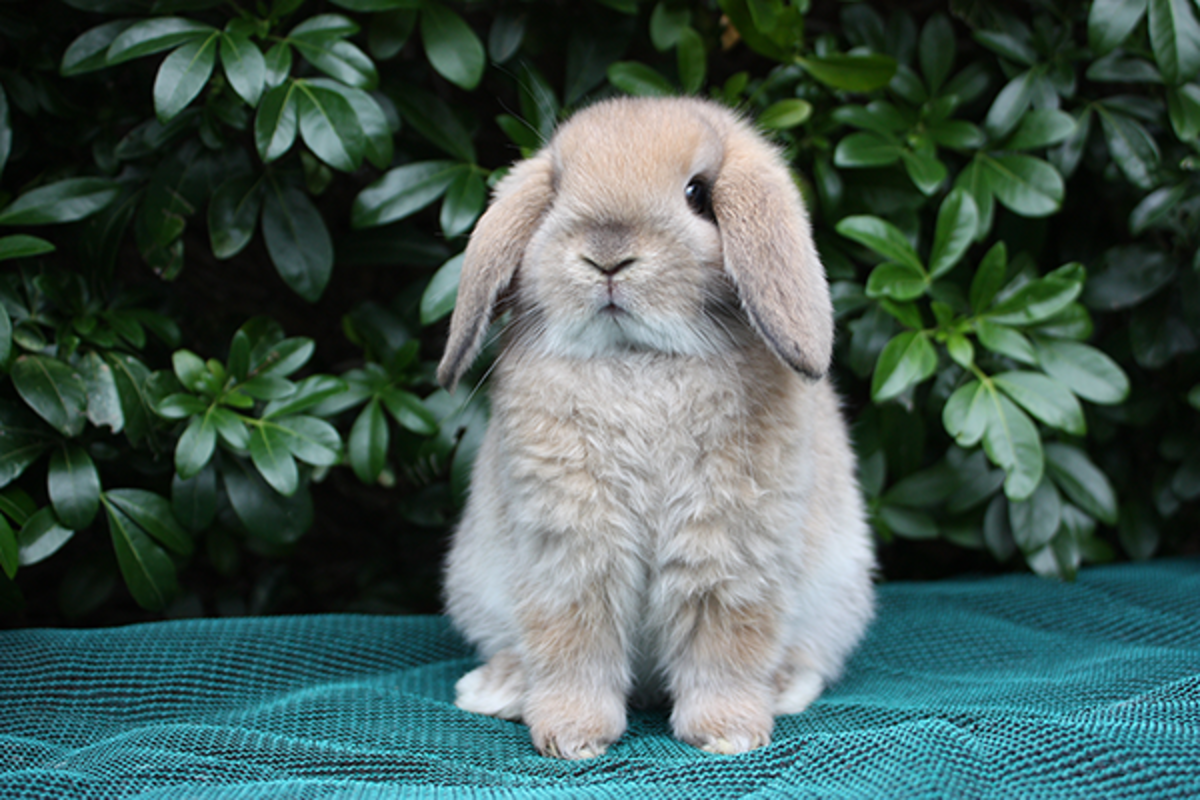
The Holland Lop is one of the smallest rabbit breeds. They typically weigh between 2 to 4 pounds. Their compact size makes them easy to handle. They have a distinct “lop” ear, which hangs down on either side of their head, giving them a charming look. Their fur is soft and can come in various colors, including white, black, and brown.
Holland Lops have a playful and friendly demeanor. They enjoy human interaction and can form strong bonds with their owners. They are known for their curious and energetic nature, making them fun to watch and play with.
Care Tips
Caring for a Holland Lop involves several important tasks. Here are some key tips:
- Provide a spacious cage or hutch. Ensure it is well-ventilated and safe.
- Use soft bedding material. Change it regularly to maintain cleanliness.
- Feed them a balanced diet. Include fresh hay, vegetables, and rabbit pellets.
- Ensure fresh water is always available.
- Give them time outside the cage. They need exercise to stay healthy.
- Regularly groom their fur. This prevents matting and reduces shedding.
- Check their teeth and nails. Trim nails if they get too long.
- Visit a vet for routine check-ups. This helps to monitor their health.
Providing the right environment and care ensures your Holland Lop stays happy and healthy. These small yet lively rabbits can bring joy and companionship to any home.
Mini Rex
The Mini Rex is a popular choice for pet owners. Known for its velvety fur and sweet demeanor, this rabbit breed is perfect for families and individuals alike. Learn more about the Mini Rex through its personality traits and grooming needs.
Personality Traits
The Mini Rex is known for its gentle and friendly nature. These rabbits are very social and enjoy interacting with their owners. They are curious and playful, making them great companions for children. The Mini Rex is also intelligent and can be trained to use a litter box.
Here are some key personality traits of the Mini Rex:
- Gentle and affectionate
- Social and interactive
- Curious and playful
- Intelligent and trainable
Grooming Needs
The Mini Rex has short, dense fur that requires minimal grooming. Regular brushing helps keep their coat smooth and free of loose hair. These rabbits do not need frequent baths, as they groom themselves. It is important to check their nails and trim them regularly to prevent overgrowth.
Here are some grooming tips for the Mini Rex:
- Brush their fur weekly to remove loose hair.
- Trim their nails once a month.
- Check their ears for dirt and wax buildup.
- Provide a balanced diet to maintain a healthy coat.
By understanding the personality traits and grooming needs of the Mini Rex, you can ensure a happy and healthy relationship with your pet rabbit.
Lionhead Rabbit
The Lionhead Rabbit stands out as a popular choice for pet enthusiasts. This breed is known for its distinctive fluffy mane, which gives it a unique and endearing appearance. With proper care, these rabbits can thrive and bring joy to any household.
Unique Features
The Lionhead Rabbit is easily recognizable by its mane of wool around the head. This wool forms a lion-like appearance, hence the name.
- Mane: The mane can be single or double, creating a fluffy look.
- Size: They are small, weighing between 2.5 to 3.75 pounds.
- Ears: They have short, erect ears that add to their cuteness.
- Personality: These rabbits are friendly and enjoy human interaction.
Living Environment
Creating the right living environment is crucial for the health of a Lionhead Rabbit.
Housing: A spacious cage or hutch is necessary. The rabbit should have enough room to move and play.
- Indoor: Indoor housing helps protect them from predators and extreme weather.
- Outdoor: If kept outdoors, ensure the hutch is secure and weatherproof.
Bedding: Provide soft, clean bedding. Hay, straw, or paper bedding works well.
- Cleanliness: Regularly change bedding to maintain hygiene.
Diet: A balanced diet is essential. Fresh hay, vegetables, and rabbit pellets are recommended.
| Food Type | Examples |
|---|---|
| Hay | Timothy, Orchard Grass |
| Vegetables | Carrots, Lettuce, Spinach |
| Pellets | Commercial Rabbit Pellets |
Exercise: Regular exercise is important. Allow them to roam in a safe space daily.
- Play Area: Set up a play area with toys and tunnels.
- Supervision: Always supervise during playtime to ensure safety.
Grooming: Due to their mane, frequent grooming is needed. Brush their fur regularly to prevent matting.
Health Checks: Regular vet visits are important. Monitor their health and look for signs of illness.
Dutch Rabbit
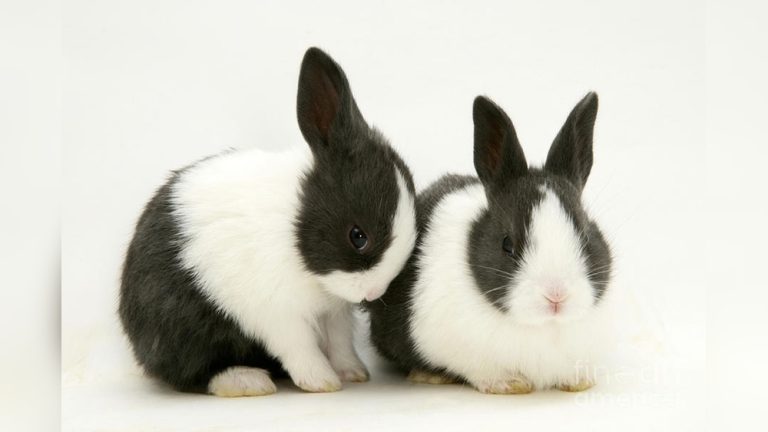
The Dutch Rabbit is a popular choice for pet owners. Known for its friendly nature and striking appearance, this breed has a lot to offer. With a distinctive white blaze and saddle marking, the Dutch Rabbit is easy to recognize. These rabbits are not only beautiful but also make great companions.
Temperament
Dutch Rabbits are known for their calm and gentle temperament. They enjoy social interactions and can bond well with their owners. These rabbits are curious and love to explore their surroundings. They are also playful and can entertain themselves with toys. A Dutch Rabbit can easily adapt to different environments, making it a suitable pet for families.
Dietary Requirements
Like other rabbits, Dutch Rabbits need a balanced diet. Their primary food should be hay, which aids digestion. Fresh vegetables like carrots and leafy greens are also essential. Pellets can supplement their diet but should not be the main food source. Always provide fresh water to keep them hydrated. Avoid giving them sugary or processed foods.

Credit: andy.pet
Flemish Giant
The Flemish Giant is a popular rabbit breed known for its size and gentle nature. Originating from Belgium, this breed has won the hearts of many rabbit enthusiasts. These rabbits are not only friendly but also make great pets for families.
Size And Space Requirements
Flemish Giants are large rabbits. They can weigh up to 20 pounds. This size means they need a lot of space. A small cage will not work. They need room to stretch and hop. An outdoor run is ideal. Indoor setups need to be spacious too. Ensure they have ample space to move freely.
Exercise Needs
Flemish Giants need regular exercise. It keeps them healthy. Daily exercise helps to prevent obesity. They enjoy running and exploring. Outdoor playtime is great. Supervised indoor play works too. Toys can help keep them active. Rotate toys to maintain interest. Encourage them to move and play.
Netherland Dwarf
The Netherland Dwarf rabbit is one of the smallest rabbit breeds. These cute, tiny pets are perfect for small living spaces. Their compact size and sweet nature make them a favorite among rabbit enthusiasts. Despite their small stature, they have big personalities and can bring joy to any home.
Behavioral Characteristics
Netherland Dwarfs are known for their energetic and playful behavior. They love to hop around and explore their surroundings. These rabbits are very curious and can be quite adventurous. They enjoy interactive play and require toys to keep them mentally stimulated.
While they can be a bit skittish at times, they are generally friendly. With gentle handling, they can become affectionate pets. They may take some time to warm up to new people, but once they do, they form strong bonds with their owners.
Health Considerations
Netherland Dwarfs are prone to dental issues due to their small jaw size. Regular dental check-ups are crucial to avoid problems. A diet rich in hay helps keep their teeth healthy. This breed can also be prone to digestive issues. Ensure they have a balanced diet and plenty of fresh water.
These rabbits have a lifespan of about 7-10 years with proper care. Regular vet visits are essential to monitor their health. Keeping their living area clean and providing a stress-free environment can help prevent illnesses.
Choosing The Right Rabbit For You
Choosing the perfect rabbit for a pet can be a fun experience. Rabbits come in many breeds, each with unique traits. It’s important to pick a rabbit that matches your lifestyle. This guide will help you find the best rabbit for you.
Matching Rabbit Personality To Owner Lifestyle
Rabbits have different personalities. Some are active and playful. Others are calm and relaxed. Consider your lifestyle before choosing a rabbit.
- Active Rabbits: Breeds like the Dutch and Mini Rex are energetic. They need space to run and play.
- Calm Rabbits: Breeds like the English Lop and Himalayan are more laid-back. They enjoy quiet environments.
Think about your daily routine. If you have a busy schedule, a calm rabbit might be better. If you have time to play, an active rabbit can be fun.
Where To Adopt Or Buy
Deciding where to get your rabbit is important. You can adopt or buy a rabbit. Both options have their benefits.
| Adopt | Buy |
|---|---|
| Many rabbits need homes. Adoption is often cheaper. | Pet stores and breeders offer many breeds. You can choose specific traits. |
| You help reduce the number of homeless animals. | Breeders often provide detailed breed information. |
Adoption: Check local animal shelters. They often have rabbits needing homes.
Buying: Look for reputable breeders. Visit pet stores with good reviews.
Whether you adopt or buy, make sure to choose a healthy rabbit. Look for clear eyes, clean fur, and good behavior. This ensures your new pet will be happy and healthy.
Caring For Your Pet Rabbit
Pet rabbits need special care to stay happy and healthy. It’s important to know their daily needs and be aware of common health issues. This guide will help you provide the best care for your rabbit.
Daily Care Routine
A good daily care routine is essential for your rabbit’s well-being.
- Feeding: Provide fresh hay, vegetables, and clean water daily.
- Cleaning: Clean the rabbit’s cage and litter box every day.
- Exercise: Let your rabbit play outside the cage for a few hours.
- Grooming: Brush your rabbit’s fur regularly to prevent matting.
Make sure to follow this routine to keep your rabbit healthy and happy.
Common Health Issues
Rabbits can face several health issues. Knowing these can help you act quickly.
| Health Issue | Symptoms | Prevention |
|---|---|---|
| GI Stasis | Loss of appetite, bloating, lethargy | High-fiber diet, regular exercise |
| Ear Mites | Itching, head shaking, crusty ears | Regular ear cleaning, vet check-ups |
| Dental Problems | Drooling, difficulty eating, weight loss | Proper diet, regular dental check-ups |
If you notice any of these symptoms, contact a vet immediately. Early intervention can save your rabbit’s life.

Credit: andy.pet
Frequently Asked Questions
What Is The Best Rabbit Breed For Pets?
The best rabbit breed for pets is the Holland Lop. They are friendly, small, and easy to handle.
Are Rabbits Good Pets For Kids?
Yes, rabbits are good pets for kids. They are gentle, sociable, and can be litter-trained.
How Long Do Pet Rabbits Live?
Pet rabbits typically live for 8 to 12 years. Proper care and nutrition can extend their lifespan.
Do Rabbits Require A Lot Of Maintenance?
Rabbits require moderate maintenance. They need a clean cage, fresh food, water, and regular grooming.
Conclusion
Choosing the best rabbit for a pet can be a rewarding experience. Consider each breed’s traits and needs. Match them with your lifestyle. Remember, rabbits need care, love, and attention. They can be wonderful companions. Take the time to learn about their habits.
Prepare your home for their arrival. With proper care, a rabbit can bring joy to your life. Enjoy the journey of having a new furry friend. Happy pet rabbit parenting!