Best Rabbit for Kids: Top Breeds for Families
Rabbits make wonderful pets for children. They are gentle and friendly.
In this blog post, we will explore the best rabbit breeds for kids. Rabbits can be a great addition to a family. They teach kids responsibility and empathy. But not all rabbit breeds are suitable for young ones. Some rabbits are calm and easy to handle.
Others may be too energetic or shy. It’s important to choose the right rabbit for your child. We will guide you through the best options. By understanding the traits of different breeds, you can make an informed decision. This ensures a happy experience for both your child and the rabbit. Let’s dive into the world of rabbits and find the best match for your family.
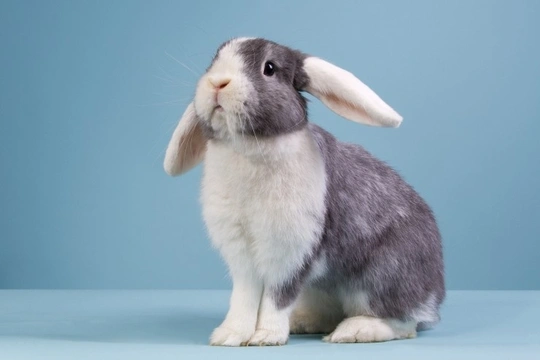
Credit: www.pets4homes.co.uk
Choosing A Rabbit
Choosing the right rabbit for your child is important. Rabbits are gentle and can make great pets. They need care and attention. Consider your family’s needs before picking a rabbit. Below are some key points to think about.
Considerations
When choosing a rabbit, several factors come into play:
- Size: Rabbits come in different sizes. Small breeds like the Netherland Dwarf are easy to handle.
- Temperament: Some rabbits are more active. Others are calm and relaxed.
- Grooming: Long-haired rabbits need more grooming. This can be a fun activity for kids.
- Lifespan: Rabbits live for about 10 years. Be ready for a long-term commitment.
Family Lifestyle
Your family’s lifestyle affects which rabbit is best. Consider the following:
| Aspect | Consideration |
|---|---|
| Space | Do you have enough space for a rabbit to play? |
| Noise Level | Rabbits can be sensitive to loud noises. |
| Time | Do you have time to care for the rabbit daily? |
Make sure your family is ready to take care of a rabbit. They need food, water, and a clean cage. They also need love and attention.
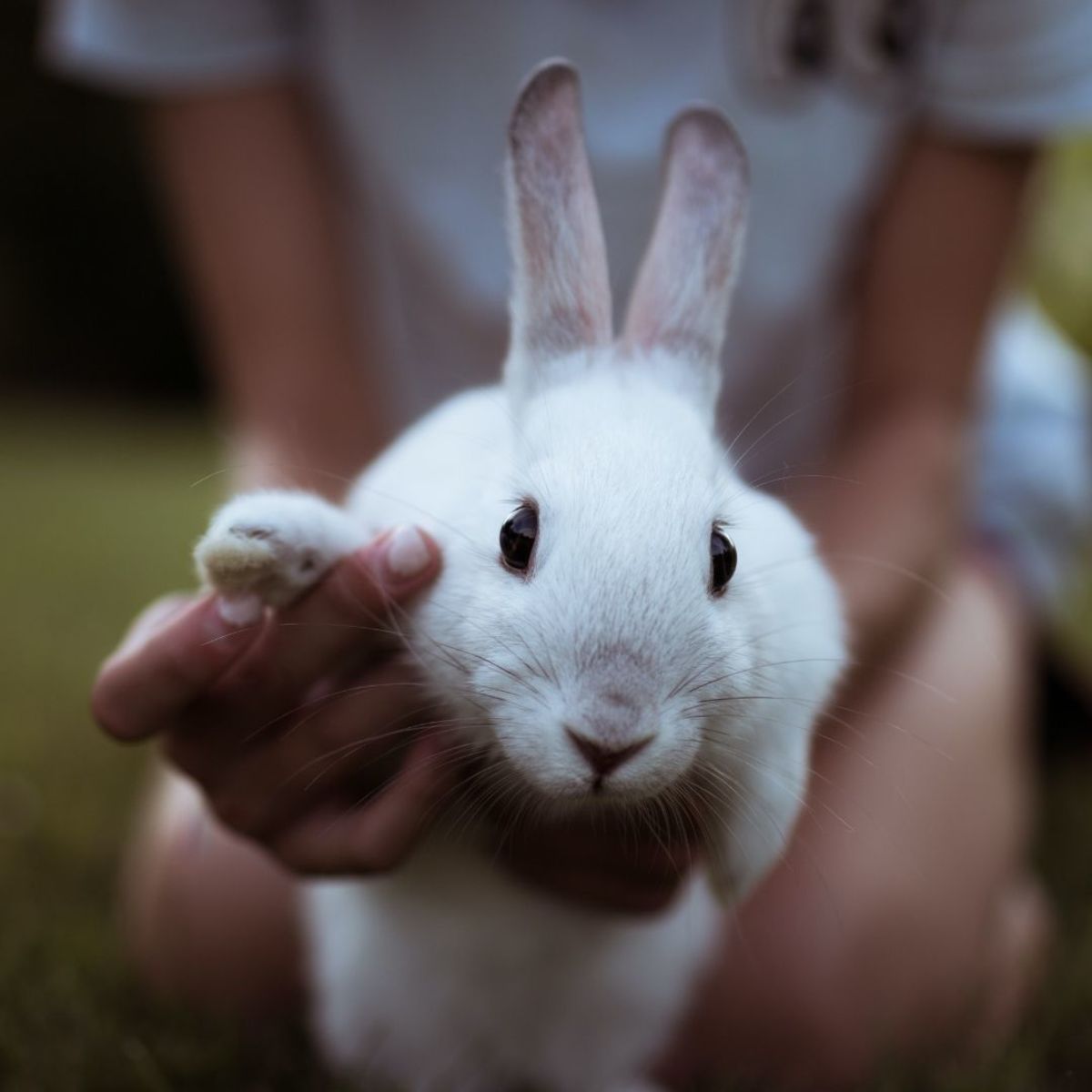
Credit: pethelpful.com
Lionhead Rabbit
The Lionhead Rabbit is a popular choice for kids. Known for its unique mane-like fur around its head, this small breed is both adorable and friendly. Their gentle nature makes them perfect companions for children. Let’s dive into their personality traits and care requirements.
Personality Traits
Lionhead Rabbits are known for their friendly and curious nature. They love to explore their surroundings and interact with their owners. These rabbits are very social and enjoy being petted and cuddled. Their playful behavior can keep kids entertained for hours. Lionheads are also intelligent and can learn simple tricks with patience.
Care Requirements
Caring for a Lionhead Rabbit is simple but requires consistency. They need a spacious cage or hutch with enough room to hop around. Provide fresh hay, vegetables, and pellets daily. Clean their living area regularly to keep it hygienic. Brushing their fur at least once a week helps to prevent matting. Regular vet check-ups are essential for their health.
Lionhead Rabbits need mental stimulation. Provide toys and tunnels to keep them engaged. Ensure they get daily exercise outside their cage. Supervise their interactions with kids to ensure gentle handling. With proper care, Lionhead Rabbits can be wonderful pets for children.
Mini Lop Rabbit
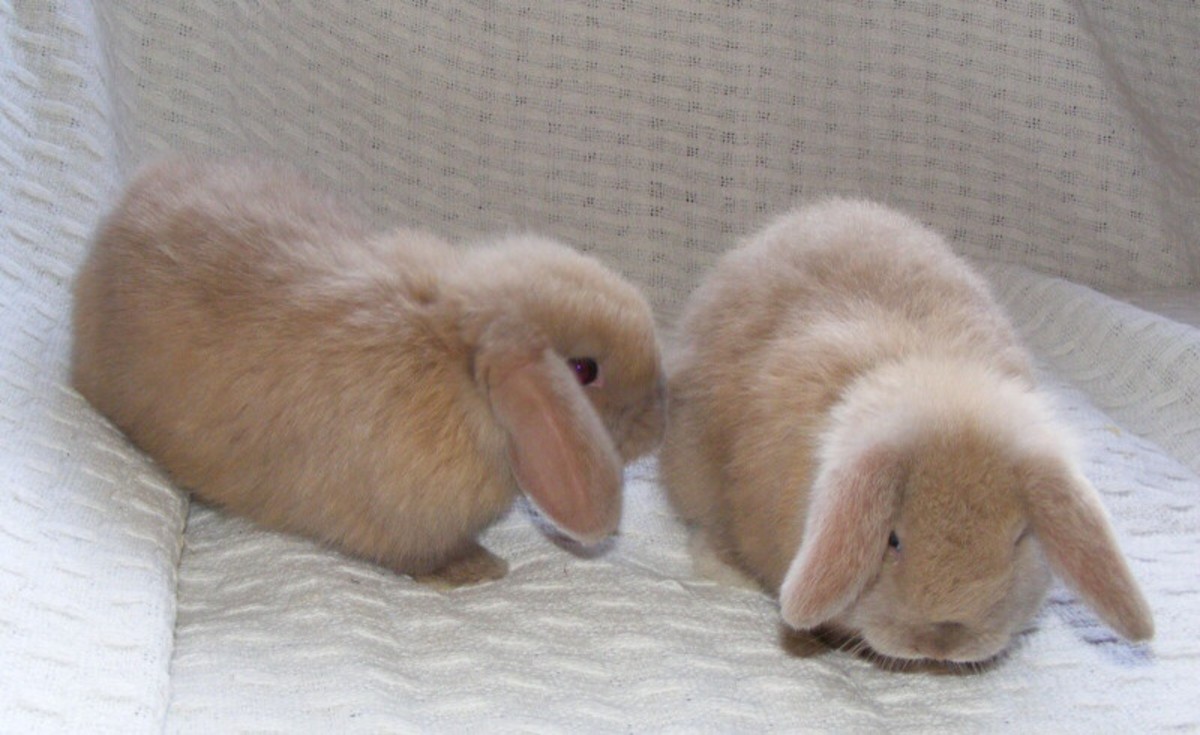
The Mini Lop Rabbit is a popular choice for kids. They are small, cute, and friendly. These rabbits have a compact size, making them easy to handle. Their floppy ears add to their adorable appearance. Mini Lops are known for their sweet temperament and minimal grooming needs.
Temperament
Mini Lops are known for their gentle and friendly nature. They love to interact with people. These rabbits are playful and enjoy spending time with their owners. Mini Lops are also known for their calm demeanor. They are less likely to bite or scratch, making them safe for kids.
Mini Lops can also be quite affectionate. They may follow you around and enjoy being petted. These rabbits are also intelligent and can learn simple tricks. Their friendly nature makes them great companions for children.
Grooming Needs
Mini Lops have low grooming needs. Their short fur does not require much maintenance. Brushing once a week is usually enough. This helps to remove loose fur and keep their coat shiny. Regular grooming also helps to bond with your rabbit.
Another important aspect of grooming is nail trimming. Mini Lops’ nails grow quickly and need regular trimming. Check their nails every few weeks. If you are unsure, ask a vet for advice.
Mini Lops also need regular dental care. Provide them with plenty of hay to chew on. This helps to keep their teeth in good condition. Regular check-ups with a vet can ensure your rabbit’s teeth are healthy.
| Aspect | Details |
|---|---|
| Temperament | Gentle, friendly, playful, calm |
| Grooming Needs | Low, weekly brushing, nail trimming, dental care |

Credit: www.youtube.com
Holland Lop Rabbit
The Holland Lop Rabbit is one of the best rabbits for kids. They are small, cute, and friendly. These rabbits have floppy ears and a sweet nature. Their compact size makes them easy to handle and care for.
Behavior
Holland Lop Rabbits are known for their playful behavior. They love to hop around and explore. They are gentle and rarely aggressive. These rabbits enjoy being petted and cuddled. They can also be trained to use a litter box. Holland Lops are social animals, so they thrive on attention and interaction.
Diet And Health
A balanced diet is crucial for a Holland Lop’s health. They need fresh hay, vegetables, and a small number of pellets. Fresh water should always be available. Avoid giving them sugary treats or processed foods. Regular vet check-ups are important to ensure they stay healthy. Their teeth grow continuously, so they need chew toys to keep them trimmed. Make sure their living area is clean to prevent infections.
Netherland Dwarf Rabbit
The Netherland Dwarf Rabbit is a popular choice for kids. This small and adorable breed charms with its cute looks and friendly nature. Though tiny, these rabbits have big personalities. They can be a great companion for children.
Characteristics
The Netherland Dwarf Rabbit is one of the smallest rabbit breeds. They usually weigh between 1.1 to 2.5 pounds. Their compact size makes them easy to handle. These rabbits have a short, dense coat that is soft to touch. They come in various colors, including white, black, and brown.
Netherland Dwarf Rabbits have round heads and large eyes. Their ears are short and stand upright. They are known for their lively and curious nature. These rabbits are intelligent and can be trained to use a litter box. They enjoy interacting with their owners and can be quite playful.
Living Environment
Netherland Dwarf Rabbits thrive in a safe and comfortable environment. They need a spacious cage with enough room to move around. The cage should have a solid bottom to protect their feet. Provide them with soft bedding to keep them cozy.
These rabbits enjoy exploring their surroundings. Let them out of their cage daily to exercise. A secure play area with toys will keep them entertained. Ensure the space is rabbit-proofed to prevent any accidents. They need fresh water and a balanced diet for a healthy life. Include hay, fresh vegetables, and rabbit pellets in their diet.
Regular grooming is essential for their well-being. Brush their coat weekly to remove loose fur. Check their nails and trim them as needed. Keep their living area clean to avoid any health issues.
Rex Rabbit
Choosing the best rabbit for kids can be a delightful experience. Among the many rabbit breeds, the Rex Rabbit stands out due to its unique qualities. Known for its velvety fur and friendly demeanor, the Rex Rabbit is a great companion for children. Let’s explore why this breed is an excellent choice for your family.
Social Nature
The Rex Rabbit is known for its social nature. This breed loves interaction with humans and other pets. They enjoy being petted and will often hop around you for attention. This makes them perfect for kids who want an engaging pet.
Here are some key social traits of Rex Rabbits:
- Friendly and affectionate
- Enjoys human company
- Can bond well with other pets
These traits ensure that your child will have a loving and interactive pet. The Rex Rabbit’s social nature helps in developing a strong bond between the pet and your child.
Maintenance
Maintaining a Rex Rabbit is relatively easy. They require less grooming compared to other breeds, thanks to their short and dense fur. This makes them a low-maintenance pet for busy families.
Here is a simple maintenance guide for Rex Rabbits:
| Task | Frequency |
|---|---|
| Brushing | Once a week |
| Feeding | Daily |
| Cage Cleaning | Weekly |
| Health Check | Monthly |
Regular grooming and proper diet are essential to keep your Rex Rabbit healthy. Ensure they have a clean living environment and fresh water daily. These simple steps will help your rabbit thrive and stay happy.
Mini Rex Rabbit
The Mini Rex Rabbit is a popular choice for children. These rabbits are known for their friendly demeanor and soft, plush fur. They are small and manageable, making them ideal pets for families with kids.
Affection Level
Mini Rex Rabbits are very affectionate. They enjoy human interaction and can form strong bonds with their owners. These rabbits often seek out attention and love being petted. Their gentle nature makes them excellent companions for children.
Children can easily handle them due to their small size. Mini Rex Rabbits are also very responsive to gentle handling and cuddling. They love to sit in laps and enjoy being part of family activities.
Exercise Needs
Exercise is important for Mini Rex Rabbits. They need space to hop and explore. A safe, enclosed area is ideal for their exercise needs. Indoor playpens or supervised outdoor time can provide them with the activity they require.
Regular exercise helps keep them healthy and prevents boredom. Providing toys and obstacles can stimulate their minds and bodies. It’s important to spend time each day letting them move around freely.
Providing a variety of activities helps maintain their physical and mental well-being.
Caring For Your Rabbit
Rabbits are wonderful pets for kids. They are gentle and friendly. Proper care is vital to keep them happy and healthy. Below are some key aspects of caring for your rabbit.
Feeding
Feeding your rabbit properly is crucial. A balanced diet keeps them healthy. Here are some tips:
- Hay: This should be the main part of their diet. It aids digestion and keeps their teeth healthy.
- Fresh Vegetables: Offer a variety of greens like lettuce, spinach, and carrots.
- Pellets: Use high-quality rabbit pellets. They provide essential nutrients.
- Fresh Water: Always have clean water available. Use a water bottle or a heavy bowl.
Avoid giving your rabbit sugary treats or human food. Stick to their diet to ensure they stay healthy.
Regular Check-ups
Regular check-ups with a vet are important. They help monitor your rabbit’s health. Here are some things to keep in mind:
- Annual Vet Visits: Take your rabbit to the vet at least once a year.
- Teeth Checks: Rabbits’ teeth grow continuously. The vet will ensure they are not overgrown.
- Vaccinations: Depending on your location, your rabbit may need vaccinations.
- Weight Monitoring: Keep track of your rabbit’s weight. Sudden changes can indicate health issues.
If you notice any signs of illness, contact your vet immediately. Early detection can prevent serious problems.
Frequently Asked Questions
What Is The Best Rabbit Breed For Kids?
The best rabbit breed for kids is the Holland Lop. They are small, gentle, and friendly, making them great pets for children.
How Much Space Do Rabbits Need?
Rabbits need a spacious cage and a safe play area. Ensure they have room to hop, play, and exercise daily.
Are Rabbits Easy To Care For?
Rabbits are relatively easy to care for. They need a balanced diet, regular grooming, and a clean living environment.
How Long Do Pet Rabbits Live?
Pet rabbits typically live between 8 to 12 years. Proper care, diet, and regular vet check-ups can ensure a long, healthy life.
Conclusion
Choosing the best rabbit for kids requires careful consideration. Rabbits make wonderful pets. They are gentle, social, and relatively easy to care for. Each rabbit breed has unique qualities. Think about your child’s needs and your family’s lifestyle. A well-chosen rabbit can bring joy and companionship.
Remember to provide proper care and attention. Your child will learn responsibility and compassion. It’s a rewarding experience for both the child and the pet. Happy pet parenting!