Can Gerbils Eat Cucumber: Surprising Facts Every Owner Must Know
If you have a pet gerbil, you want to give it the best treats without risking its health. You might be wondering, can gerbils eat cucumber?
It’s a simple question, but the answer isn’t as obvious as you think. Knowing what’s safe for your furry friend is crucial, and this guide will help you understand whether cucumber is a good snack or something to avoid. Keep reading to discover the facts, benefits, and precautions you need to keep your gerbil happy and healthy.
Credit: smallpetselect.com
Gerbils And Their Diet
Gerbils are small rodents with specific dietary needs. Their diet must be balanced to keep them healthy and active. Understanding what gerbils eat in the wild helps provide the best care at home.
Gerbils need a mix of seeds, grains, and fresh foods. Fresh water should always be available. Offering the right foods supports their energy and prevents health problems.
Natural Eating Habits
In the wild, gerbils eat mostly seeds and plants. They forage for grains, roots, and small insects. This diet gives them the nutrients and fiber they need. Gerbils are active and need food that fuels their energy.
They also nibble on fresh plants when available. Their natural diet is low in sugar and high in fiber. This helps keep their digestion smooth and their teeth healthy.
Common Foods For Gerbils
Pet gerbils eat commercial pellets designed for rodents. These pellets have a balanced mix of vitamins and minerals. Fresh vegetables and fruits can be treats. Small amounts of cucumber, carrot, and apple are safe.
Avoid sugary or fatty foods. Seeds like sunflower or pumpkin can be given in small amounts. Fresh hay is good for digestion and chewing. Always introduce new foods slowly to watch for reactions.
Cucumber As A Food Option
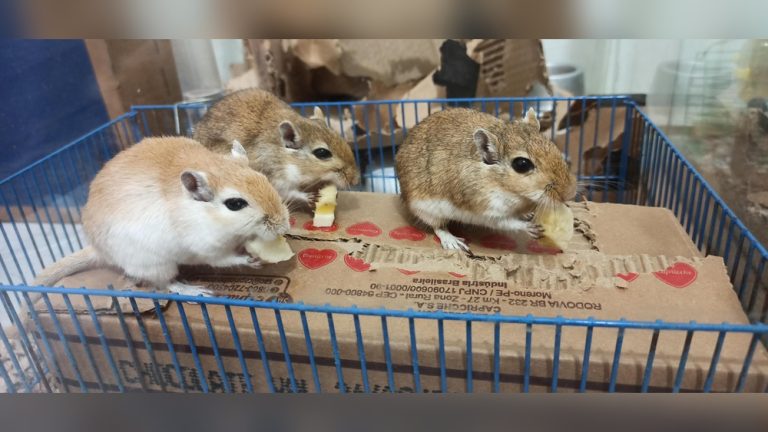
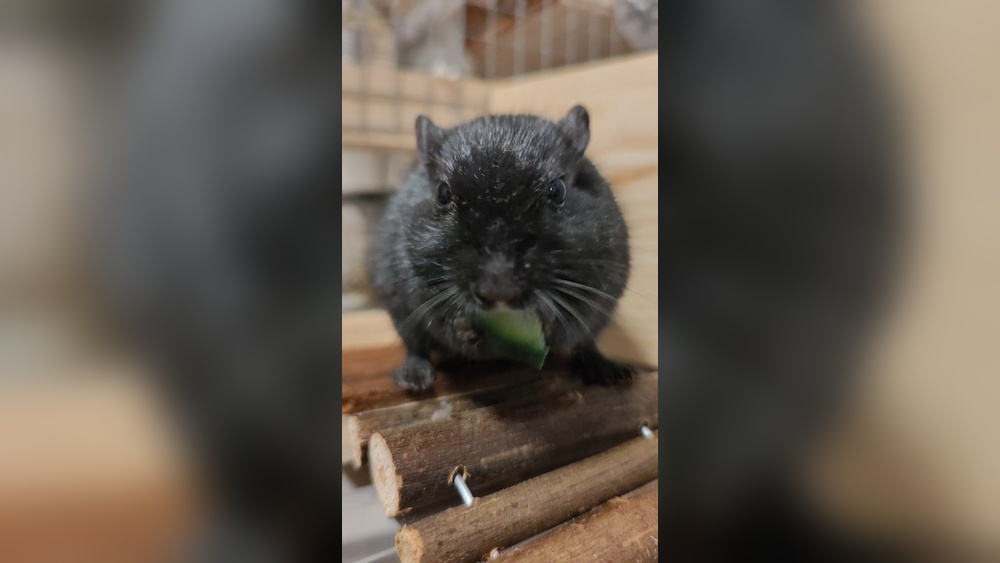
Cucumber can be a healthy treat for gerbils in small amounts. It offers some nutrients and helps keep them hydrated. Gerbils enjoy crunchy foods, and cucumber has a mild taste that they usually like. Feeding cucumber occasionally can add variety to their diet.
It is important to serve cucumber fresh and washed well. Remove any seeds or skin that might bother your pet. Avoid giving too much cucumber to prevent digestive issues. Balance it with other foods for a complete diet.
Nutritional Value Of Cucumber
Cucumber contains vitamins like vitamin K and C. It has small amounts of minerals such as potassium and magnesium. These nutrients support your gerbil’s overall health. The low calorie content makes cucumber a light snack. It does not provide all needed nutrients, so it should not replace regular food.
Water Content And Hydration
Cucumber is mostly water, about 95%. This high water content helps keep your gerbil hydrated. It is useful especially in warm weather or dry conditions. Hydration is important for healthy skin and organs. Fresh cucumber can be a tasty way to give extra water. Always watch for any signs of diarrhea after feeding cucumber.
Benefits Of Feeding Cucumber
Cucumber is a healthy treat for gerbils. It provides several benefits that support their well-being. Offering cucumber in small amounts can improve your pet’s diet. It helps keep them happy and active.
Fresh cucumber adds variety to their meals. It also helps with hydration because of its high water content. Feeding cucumber can be a good way to offer nutrients and keep your gerbil interested in food.
Vitamins And Minerals
Cucumber contains important vitamins like vitamin C and K. These vitamins help support your gerbil’s immune system. Minerals in cucumber, such as potassium, help with muscle function and heart health. These nutrients keep your gerbil strong and healthy.
Low-calorie Snack
Cucumber is low in calories, making it a safe snack. It helps prevent your gerbil from gaining too much weight. This snack is perfect for gerbils that need to stay fit. It fills their tummy without adding extra fat.

Credit: kokido.com
Risks Of Feeding Cucumber
Cucumber seems like a safe treat for gerbils. It is fresh and full of water. Still, it has some risks. These risks can affect your pet’s health. Knowing them helps you keep your gerbil safe.
Feeding cucumber too often or in large amounts can cause problems. Some parts of the cucumber can upset the digestive system. Also, cucumber pieces may cause choking. These risks need careful attention.
Potential Digestive Issues
Cucumber has a lot of water. Too much water can upset a gerbil’s stomach. It can cause diarrhea or loose stools. This leads to dehydration and weakness. Gerbils have small stomachs. They need dry food mostly. Fresh vegetables like cucumber should be given sparingly.
Eating too much cucumber can also cause bloating. Bloating makes your pet uncomfortable. It can slow down digestion and cause pain. Watch your gerbil after feeding cucumber. Stop feeding if you notice any signs of stomach trouble.
Choking Hazards
Cucumber pieces may be slippery and hard to chew. Small or large chunks can block the throat. Gerbils have tiny mouths and teeth. They can choke easily on big pieces. Always cut cucumber into very small bits. This lowers choking risks.
Never leave cucumber pieces unattended. Your gerbil might try to eat too fast. Chewing slowly and safely is important. Always supervise feeding times to prevent choking accidents.
Safe Feeding Practices
Safe feeding practices keep your gerbil healthy and happy. Feeding cucumber is possible but needs care. Small steps help avoid stomach problems and other risks.
Follow simple rules to feed cucumber safely. Watch how your gerbil reacts to new food. Stop feeding if you see any signs of illness.
Portion Size Recommendations
Offer very small cucumber pieces. One or two tiny slices are enough. Too much cucumber causes diarrhea and discomfort. Limit cucumber to a treat, not daily food. Small portions keep your gerbil’s diet balanced.
Preparation Tips
Wash cucumber thoroughly to remove chemicals. Peel the skin if it looks waxy. Cut cucumber into bite-sized pieces. Remove seeds to avoid choking hazards. Serve fresh cucumber only; avoid spoiled pieces.
Signs Of Allergic Reactions Or Problems
Gerbils may react differently to new foods like cucumber. Watching for signs of allergic reactions or problems is important. Early detection helps keep your pet safe and healthy.
Behavioral Changes
A sudden change in behavior can signal an issue. Gerbils might become restless or stop moving much. They may hide more often or act unusually shy. Some gerbils refuse to eat or drink. These changes show discomfort or stress related to diet.
Physical Symptoms
Look closely for physical signs of allergy or illness. Swelling around the mouth or eyes is a common sign. Redness or rash on the skin can appear. Sneezing or coughing may also happen. Watery or red eyes are warning signals. These symptoms need immediate attention to avoid harm.
Alternatives To Cucumber
Gerbils enjoy fresh foods, but not all are safe or healthy. Cucumber is fine in small amounts. Still, offering variety keeps your pet happy and well-fed. Many other vegetables and fruits work great as alternatives.
Other Safe Vegetables
Carrots are crunchy and sweet. Gerbils love them in small pieces. Spinach offers nutrients but use sparingly to avoid too much calcium. Bell peppers add color and vitamin C. Broccoli provides fiber and vitamins but only a tiny bit at a time. Avoid onions, garlic, and raw potatoes. They can harm your gerbil.
Fruits Suitable For Gerbils
Apples are a tasty treat. Remove seeds before feeding. Blueberries are rich in antioxidants and safe in moderation. Strawberries give a nice flavor but feed just a little. Pears are gentle on their stomach but cut into small bits. Avoid citrus fruits as they may upset your pet’s tummy.
Common Myths About Gerbil Diets
Many people have wrong ideas about what gerbils can and cannot eat. These myths can cause confusion and even harm to your pet. Knowing the truth helps you feed your gerbil safely and happily.
Some myths say gerbils should only eat dry food. Others claim fresh foods like cucumber are bad. Let’s clear up these misunderstandings.
Gerbils Should Only Eat Seeds
Some believe gerbils must eat only seeds. Seeds are part of their diet, but not all. Gerbils also need fresh fruits and vegetables. These provide vitamins and water. A mix of foods keeps them healthy and active.
Fresh Fruits And Vegetables Are Dangerous
Many think fresh foods upset gerbil stomachs. This is not true if given in small amounts. Fresh cucumber is safe and hydrating. It adds moisture, especially in dry weather. Always wash fruits and vegetables before feeding.
Gerbils Can Eat Anything Like Humans
Gerbils cannot eat all human foods. Some are toxic, like chocolate and onions. Feeding harmful foods causes sickness or worse. Stick to safe fruits, vegetables, and gerbil pellets only. Avoid sugary or salty snacks entirely.
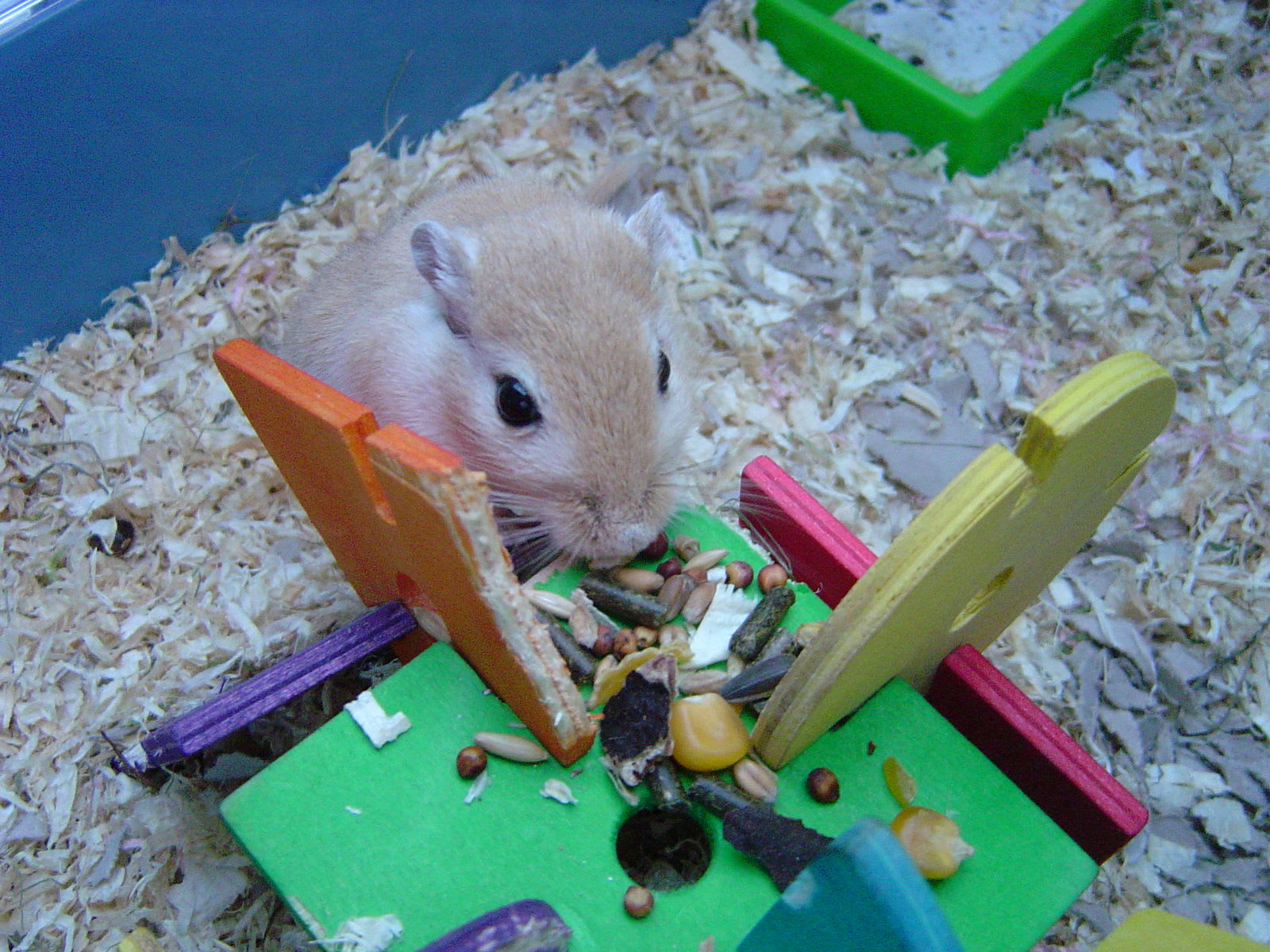
Credit: pethelpful.com
Frequently Asked Questions
Can Gerbils Safely Eat Cucumber?
Yes, gerbils can safely eat cucumber in small amounts. It provides hydration and essential nutrients. Avoid giving too much to prevent digestive issues.
How Often Should Gerbils Eat Cucumber?
Offer cucumber to gerbils as an occasional treat, about once or twice a week. Moderation helps avoid stomach upset and maintains a balanced diet.
Are Cucumber Seeds Safe For Gerbils?
Cucumber seeds are generally safe for gerbils but can be hard to digest. It’s best to remove seeds before feeding cucumber slices.
What Are The Benefits Of Cucumber For Gerbils?
Cucumbers provide hydration, vitamins, and fiber, supporting a gerbil’s health. They are low in calories and help keep your pet refreshed.
Conclusion
Gerbils can eat cucumber, but only in small amounts. It helps keep them hydrated and adds variety. Too much cucumber may upset their stomach. Always wash the cucumber well before feeding. Remove seeds and skin to avoid problems. Fresh, clean water should be available at all times.
A balanced diet is important for gerbil health. Treat cucumber as a snack, not a meal. Watch your pet for any signs of discomfort. Feeding treats safely keeps gerbils happy and healthy.