Do Ferrets Eat Vegetables? Surprising Facts Revealed
Ferrets are obligate carnivores. This means they need meat to thrive.
But can they eat vegetables? Ferrets have unique dietary needs. Their digestive systems are designed for high-protein and high-fat foods. Vegetables, on the other hand, are rich in fiber and carbohydrates. These are not easily processed by ferrets. Feeding them vegetables can lead to digestive issues.
Understanding what ferrets can and cannot eat is crucial for their health. In this blog, we will explore whether vegetables have any place in a ferret’s diet. We will also discuss the best foods to keep your ferret healthy and happy. Let’s dive into the details.
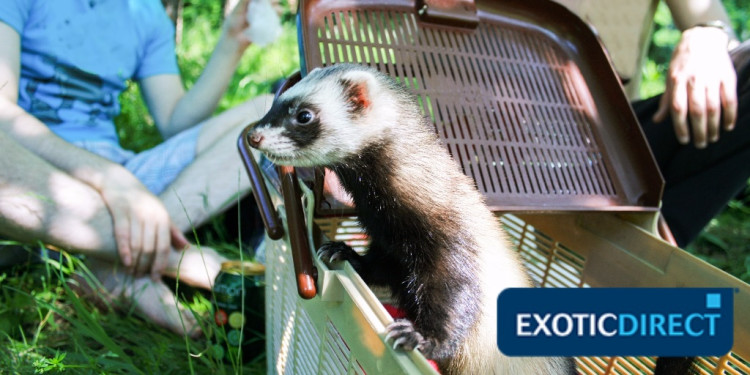
Credit: exoticdirect.co.uk
Introduction To Ferret Diet
Ferrets are fascinating creatures. Their diet is essential for their health. Understanding what ferrets eat can help you care for them better.
Carnivorous Nature
Ferrets are obligate carnivores. This means they must eat meat to survive. Their digestive system is designed to process animal proteins and fats.
Plant-based foods are hard for them to digest. They lack the enzymes needed to break down vegetables. A ferret’s diet should consist mainly of meat and animal products.
Common Misconceptions
Many people think ferrets can eat vegetables. This is a common misconception. Feeding vegetables to ferrets can cause digestive issues.
Some owners believe fruits and vegetables are healthy for ferrets. This is not true. Ferrets need high protein and fat, not carbs and fiber.
| Food Type | Suitability for Ferrets |
|---|---|
| Meat (chicken, turkey, beef) | Excellent |
| Fish (in moderation) | Good |
| Fruits and Vegetables | Not Suitable |
| Dairy Products | Poor |
Ferrets thrive on a diet rich in animal proteins. Remember to avoid plant-based foods. This will ensure your ferret stays healthy and happy.
Nutritional Needs Of Ferrets
Ferrets are unique pets with specific dietary needs. Understanding their nutritional requirements is crucial for their health and well-being. They have a high metabolism and require a diet rich in protein and fat. Let’s explore the key components of a ferret’s diet.
Protein Requirements
Ferrets need a high-protein diet. Their bodies thrive on animal-based proteins. Chicken, turkey, and lamb are excellent protein sources. Protein helps build and repair tissues. It keeps ferrets active and healthy. Experts recommend at least 30-40% protein in their diet. Avoid plant-based proteins. Ferrets cannot digest them well.
Essential Fats
Fats are another critical part of a ferret’s diet. They need fats for energy and healthy skin. Animal fats are the best choice. Fish oil and chicken fat are good options. Fats should make up 15-20% of their diet. Avoid low-fat diets. They can lead to health issues. Ensure your ferret gets enough essential fats.
Can Ferrets Eat Vegetables?
Ferrets are curious creatures with unique dietary needs. Many ferret owners wonder, can ferrets eat vegetables? This question arises often among pet owners aiming to provide the best care. Understanding a ferret’s diet is crucial to its health.
Digestive System
Ferrets are obligate carnivores. Their digestive system is designed to process meat. They lack the enzymes needed to break down plant matter. Vegetables pass through their system undigested. This can lead to various health issues.
Potential Risks
Feeding vegetables to ferrets can cause digestive problems. These include diarrhea and intestinal blockages. Some vegetables contain toxins harmful to ferrets. For instance, onions and garlic can be toxic. Even safe vegetables do not provide the needed nutrients.
Ferrets thrive on high-protein, high-fat diets. Meat provides the essential nutrients they need. Vegetables do not support their dietary requirements. Feeding them can lead to malnutrition. Stick to a diet recommended by veterinarians. Prioritize their health and well-being.
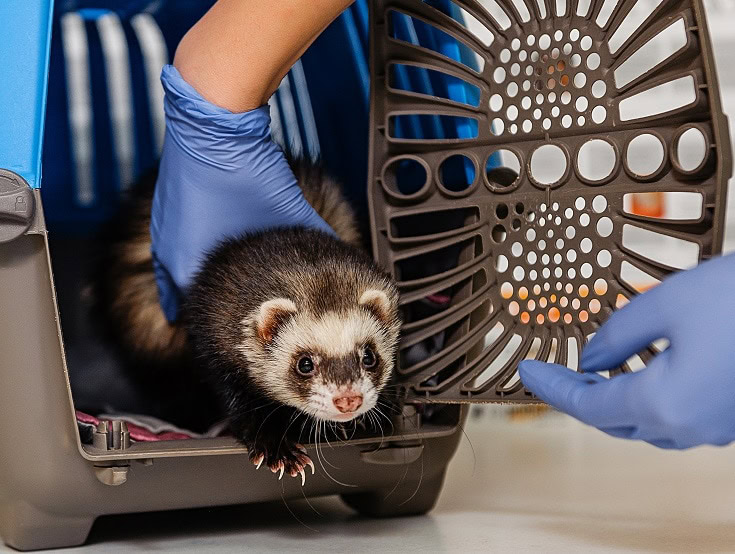
Credit: www.thedodo.com
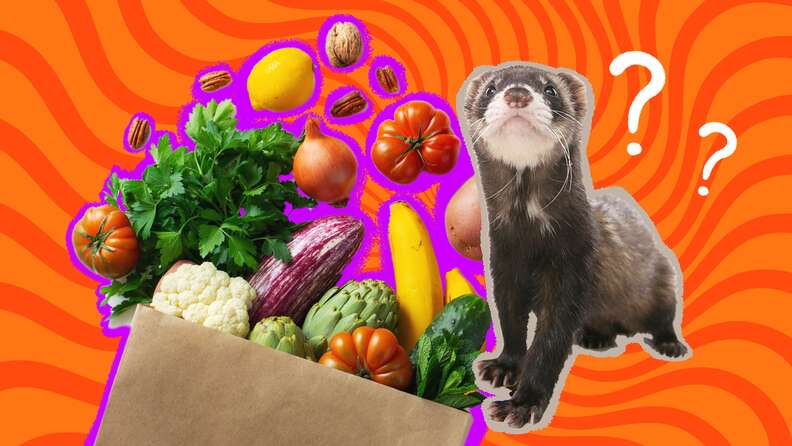
Vegetables To Avoid
Ferrets should avoid vegetables like onions, garlic, and leeks. These can cause serious health issues. Stick to meat-based diets for their well-being.
Ferrets are obligate carnivores. Their diet should mainly consist of meat. Vegetables can cause harm. Some vegetables are toxic. Others may upset their digestive system.Toxic Vegetables
Certain vegetables are toxic to ferrets. Onions and garlic can cause anemia. They damage red blood cells. Avocado contains persin. This can be harmful.Common Harmful Vegetables
Not all vegetables are toxic, but some can still harm ferrets. Spinach contains oxalates. This can lead to bladder stones. Broccoli and cauliflower cause gas. This can lead to discomfort. Potatoes contain solanine. This can upset their stomach. Keep your ferret’s diet meat-based. Avoid these vegetables to keep them healthy. “`Occasional Safe Vegetables
Ferrets are strict carnivores, meaning their diet should be mostly meat. However, some vegetables can be given occasionally. These vegetables should be safe and offered in small portions. This ensures they do not upset your ferret’s digestive system.
Small Portions
Ferrets have sensitive stomachs. Small portions of vegetables can prevent any digestive issues. Overfeeding vegetables may cause diarrhea or other health problems. Always introduce new foods gradually. Observe your ferret for any adverse reactions.
Safe Choices
Not all vegetables are safe for ferrets. Safe choices include cooked carrots, peas, and small amounts of pumpkin. These should be thoroughly cooked and mashed. This makes them easier to digest. Avoid raw or hard vegetables. They can be difficult for your ferret to digest.
Also, avoid high-sugar vegetables like corn. These can lead to obesity and other health issues. Stick to low-sugar, ferret-friendly options. Always consult your vet before introducing new foods.
Benefits Of A Balanced Diet
A balanced diet is essential for all pets, including ferrets. While ferrets are obligate carnivores, they can benefit from a small amount of vegetables. These vegetables can provide various nutrients and fibers that support their overall health and well-being.
Health Impacts
Feeding ferrets a balanced diet has numerous health benefits. Vegetables offer essential vitamins and minerals. These nutrients support their immune system, promote healthy skin, and aid in digestion.
- Vitamins: Vegetables like carrots and spinach are rich in vitamins A, C, and K.
- Minerals: Leafy greens provide important minerals such as calcium and iron.
- Fiber: Fiber helps in improving bowel movements and preventing constipation.
Including a variety of vegetables can help prevent nutritional deficiencies. This ensures your ferret stays healthy and active.
Behavioral Benefits
A balanced diet also impacts ferret behavior. Ferrets with good nutrition are usually more energetic and playful. Vegetables can add variety to their diet, reducing boredom.
- Variety: Different textures and flavors stimulate their senses.
- Enrichment: Chopping vegetables into small pieces can be a fun activity for them.
Engaging your ferret with different types of food can improve their mental stimulation. This makes them happier and more interactive.
Signs Of Poor Nutrition
Signs of poor nutrition in ferrets can be quite alarming. Ferrets are obligate carnivores, which means they need a diet high in animal protein. Feeding them vegetables can lead to nutritional deficiencies. Recognizing the signs of poor nutrition is crucial for your pet’s well-being.
Physical Symptoms
Physical symptoms of poor nutrition in ferrets are easy to spot. One common sign is weight loss. Ferrets may look thinner and less muscular. Their coat may become dull and dry. You might notice bald patches or excessive shedding. Another sign is digestive issues. Ferrets may have diarrhea or loose stools. They might also be more prone to infections.
Behavioral Changes
Behavioral changes can indicate poor nutrition in ferrets. A lethargic ferret is a red flag. Your pet may sleep more and play less. They may seem less interested in their surroundings. Aggression or irritability can also be a sign. Ferrets may become more vocal or bite more frequently. These changes can be subtle but are important to notice.
Tips For Feeding Ferrets
Feeding ferrets can be tricky. These little carnivores have specific dietary needs. They need a high-protein diet, mainly from animal sources. But can they eat vegetables? Let’s dive into some tips for feeding ferrets.
Meal Planning
Ferrets require a high-protein diet. Meat should be the main ingredient. Chicken, turkey, and rabbit are good choices. Avoid grains and fillers. These can cause digestive issues. Plan meals with their needs in mind. Keep it simple and nutritious.
Supplement Options
Supplements can help balance their diet. Taurine is vital for ferrets. It supports heart and eye health. Calcium can strengthen bones. But use supplements carefully. Consult with a vet first. They can guide you on the right dosage.
Consulting A Veterinarian
Before making any changes to your ferret’s diet, it’s essential to consult a veterinarian. Ferrets have unique dietary needs. A professional can provide guidance on what to include in their meals. This step ensures your pet stays healthy and happy.
Professional Advice
Veterinarians are trained to give the best advice for your ferret’s diet. They know which foods are safe and which are not. Vegetables can be tricky. Some are good, while others can harm your ferret. A vet can help you understand the difference.
It’s also important to know how much of each food type to give. Overfeeding or underfeeding can lead to health issues. The vet can help you create a balanced diet plan. This way, your ferret gets all the nutrients it needs.
Regular Check-ups
Regular visits to the vet are crucial. They help monitor your ferret’s health and diet. During check-ups, the vet will check for any signs of nutritional deficiencies. They will also assess your ferret’s overall well-being.
These check-ups provide a chance to discuss any dietary concerns. If you notice any changes in your ferret’s behavior or health, mention them to the vet. They can suggest adjustments to the diet. This ensures your ferret remains healthy.
Here’s a simple table for a quick overview of important points:
| Action | Reason |
|---|---|
| Consult a Veterinarian | Ensure safe and balanced diet |
| Get Professional Advice | Understand safe and unsafe foods |
| Regular Check-ups | Monitor health and dietary needs |
By following these steps, you can keep your ferret in top shape. Consulting a veterinarian is key to providing the best care possible.

Credit: www.maynevets.co.uk
Frequently Asked Questions
Can Ferrets Eat Vegetables?
Ferrets are obligate carnivores. They primarily need animal protein. Vegetables are not suitable for their diet.
What Vegetables Can Ferrets Eat?
Ferrets should avoid vegetables. Their digestive systems can’t process plant matter effectively. Stick to a meat-based diet.
Are Vegetables Harmful To Ferrets?
Yes, vegetables can cause digestive issues. Ferrets lack the necessary enzymes to digest plant matter properly.
Do Ferrets Need Vegetables For Nutrition?
No, ferrets obtain essential nutrients from meat. Vegetables do not provide the necessary nutrients for ferrets.
Conclusion
Ferrets can eat some vegetables, but in small amounts. Their diet needs mainly meat. Vegetables can offer fiber and vitamins. Avoid high-sugar vegetables. Always research before feeding new foods. Balance is key. Ensure your ferret’s diet meets nutritional needs. Healthy diet, happy ferret.