How Often Do Chinchillas Poop: Essential Facts You Must Know
Have you ever wondered how often your chinchilla should poop? It might sound like a strange question, but knowing your pet’s bathroom habits is key to keeping it healthy and happy.
If you’re unsure what’s normal or worried about changes in your chinchilla’s droppings, you’re not alone. Understanding how often chinchillas poop can help you spot problems early and give your furry friend the best care possible. Keep reading to discover exactly what to expect and how to keep your chinchilla’s digestive system in top shape.
Credit: cuddlebugchinchillas.com
Chinchilla Digestion Basics
Chinchillas have a unique digestive system that helps them process their food efficiently. Their digestion works differently from other pets. Understanding how their digestion works explains why they poop often and regularly.
Their digestive tract is designed to break down tough plant material. This process takes time but is very effective. Proper digestion keeps chinchillas healthy and energetic.
Diet And Digestion Process
Chinchillas eat mostly hay and pellets. These foods provide the nutrients they need. Their stomach and intestines work slowly to extract these nutrients. The food moves through their system in about 12 to 24 hours. This slow process helps absorb vitamins and minerals well.
Water also plays a key role. It helps soften food and moves it through the gut. Without enough water, digestion can slow down or cause issues. Healthy digestion means chinchillas produce small, firm droppings often.
Role Of Fiber In Digestion
Fiber is very important for chinchilla digestion. It helps food move smoothly through the gut. High fiber diets keep their digestive tract active and healthy. Hay is the best fiber source for chinchillas.
Fiber also prevents problems like constipation. It supports the growth of good gut bacteria. These bacteria break down fiber into useful nutrients. A lack of fiber can cause digestive upset and change poop frequency.
Credit: a-z-animals.com
Frequency Of Chinchilla Pooping
Chinchillas have a unique digestive system that affects how often they poop. Knowing their pooping frequency helps monitor their health. Healthy chinchillas usually poop regularly throughout the day. Sudden changes in their poop habits can signal health problems.
Normal Pooping Patterns
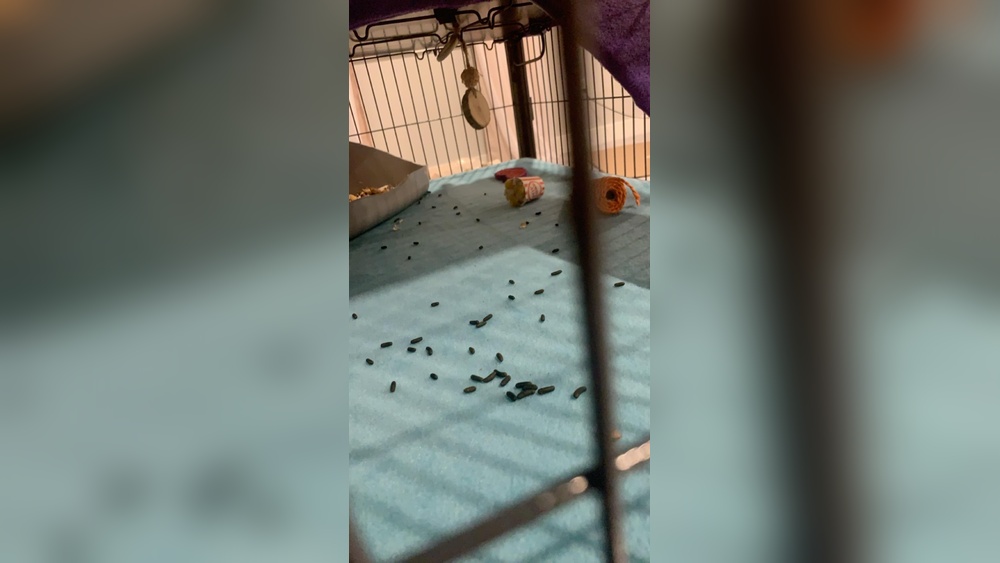
Chinchillas typically poop every 30 to 60 minutes. They produce small, dry, round pellets. These pellets show their digestion is working well. Most chinchillas poop between 100 and 200 pellets daily. Regular pooping means their diet and gut are healthy.
Factors Influencing Poop Frequency
Diet plays a big role in poop frequency. High-fiber food helps chinchillas poop more often. Low-fiber or sugary treats can slow digestion. Stress or changes in environment may reduce pooping. Illness and dehydration also affect poop frequency. Watching these signs helps keep chinchillas healthy.
Types Of Chinchilla Poop
Chinchilla poop shows important clues about their health. Knowing the different types helps spot problems early. Healthy poop means a happy chinchilla.
Poop varies in size, shape, and color. These differences tell a lot about digestion and diet. Watching poop is an easy way to check on your pet.
Pellet Characteristics
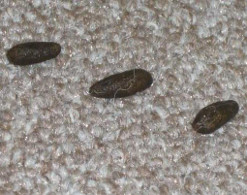
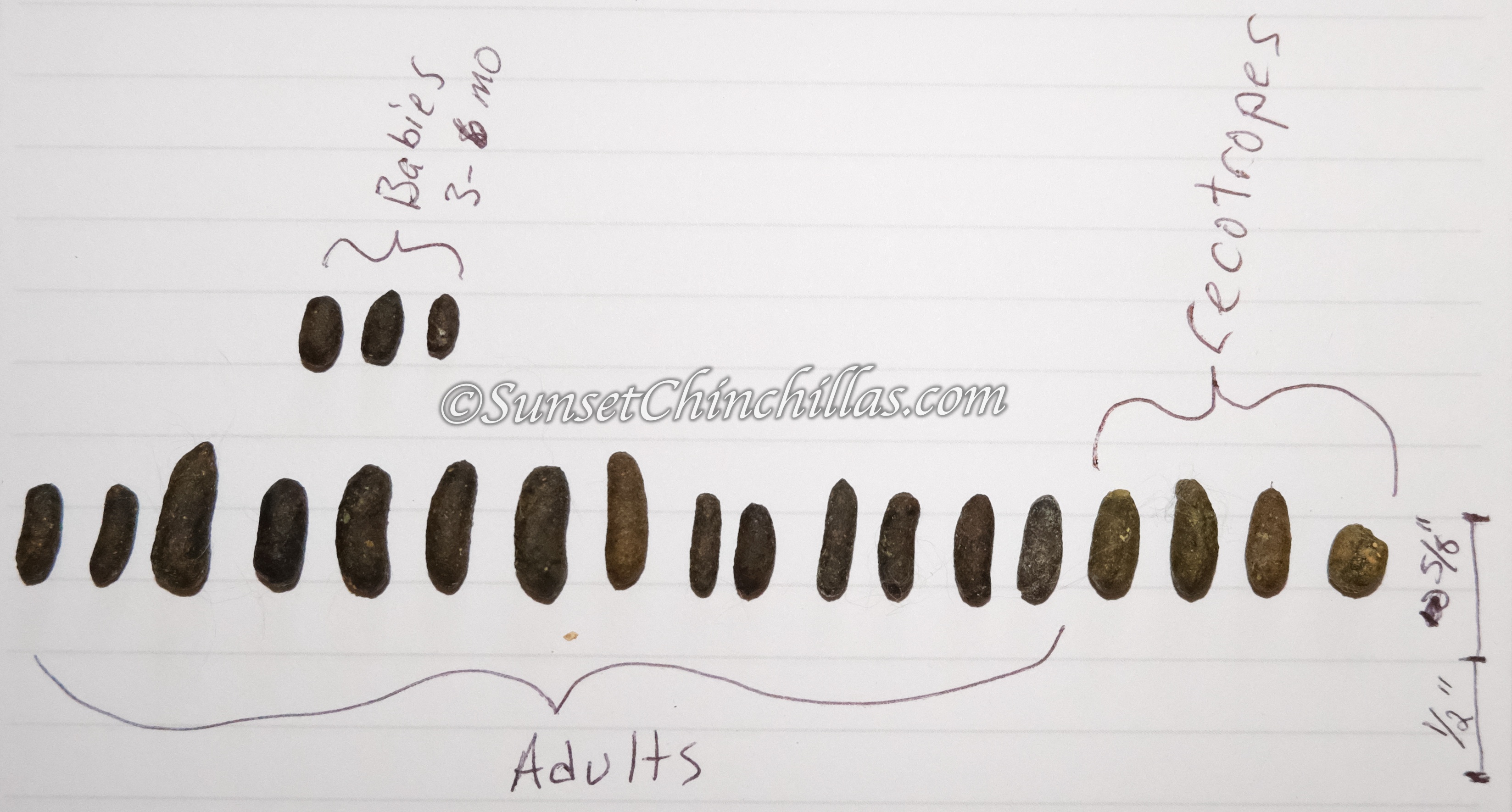
Chinchilla poop looks like small, round pellets. They are usually dark brown or black. Pellets are dry and firm but not too hard.
Each pellet is about the size of a small pea. They should be uniform in shape and size. Soft or misshapen pellets may signal health issues.
Differences Between Normal And Abnormal Poop
Normal poop is dry and firm with a consistent shape. It has a mild smell and appears regularly throughout the day. This indicates good digestion.
Abnormal poop can be soft, wet, or very small pellets. It may have a strong or foul smell. Changes in poop often mean stress or illness.
Very watery or no poop at all needs urgent care. Keep track of your chinchilla’s poop to spot these changes fast. Quick action helps prevent serious problems.
Signs Of Digestive Issues
Chinchillas have sensitive digestive systems. Noticing changes in their poop is key to spotting problems early. Digestive issues can cause discomfort and serious health risks. Knowing what to watch for helps keep your chinchilla healthy and happy.
Signs of digestive trouble often show in the shape, size, and frequency of their poop. Paying attention to these signs can alert you to a problem before it worsens.
Changes In Poop Consistency
Normal chinchilla poop is small, round, and firm. Soft, wet, or runny poop may signal diarrhea. Hard, dry pellets can mean constipation. Both conditions need quick care. Watery stools often indicate an infection or diet issue. Dry poop may show dehydration or lack of fiber. Any sudden change in texture is cause for concern.
Decreased Or Increased Poop Frequency
Chinchillas usually poop many times a day. Less poop than usual can mean blockage or illness. Too much poop might show stress or diet problems. Changes in frequency often come with other symptoms like loss of appetite. Tracking how often your chinchilla poops helps spot trouble early. A regular schedule means good digestive health.
Maintaining Healthy Digestion
Healthy digestion is key to a happy chinchilla. It helps them produce regular, firm poop. Good digestion means they absorb nutrients well. This keeps their energy high and body strong. Watch their poop to check their health. Changes in poop can signal digestion problems. Maintaining healthy digestion needs care and attention.
Proper Diet Tips
Feed your chinchilla a diet high in fiber. Hay is the best choice for daily meals. It keeps their gut moving smoothly. Avoid sugary treats and too many pellets. Fresh vegetables can upset their stomach. Introduce new foods slowly to prevent problems. A balanced diet supports regular pooping and good health.
Hydration And Environment
Chinchillas need clean, fresh water every day. Water helps soften food and aids digestion. Keep their water bottle clean to avoid bacteria. The cage should be dry and well-ventilated. Too much humidity can harm their digestion. A calm environment reduces stress, which helps digestion. Good care keeps their digestive system working well.
When To Consult A Vet
Knowing when to consult a vet for your chinchilla is important. Poop changes can signal health problems. Early action can prevent serious issues. Watch your pet closely to keep it healthy and happy.
Warning Signs In Poop
Look for changes in color, size, or shape of poop. Soft or runny stools mean diarrhea, which is not normal. Very small or no poop can show constipation. Poop with blood or mucus needs urgent vet attention. Smelly or foul poop may point to infection or diet issues.
Other Symptoms To Watch For
Pay attention to your chinchilla’s behavior and appetite. Loss of appetite or weight can indicate illness. Lethargy or hiding more than usual is a concern. Breathing problems or sneezing might show infections. Swelling or pain in the belly needs vet care quickly.
Credit: www.sunsetchinchillas.com
Frequently Asked Questions
How Often Do Chinchillas Typically Poop Daily?
Chinchillas usually poop about 100 to 150 times per day. Their frequent pooping is normal due to their high-fiber diet and fast digestion process.
What Does Chinchilla Poop Indicate About Their Health?
Regular, firm, and dry poop shows good chinchilla health. Changes in frequency, consistency, or color can signal digestive issues or illness.
Can Diet Affect How Often Chinchillas Poop?
Yes, diet greatly impacts chinchilla poop frequency. High-fiber hay promotes regular pooping, while sugary treats or improper food can cause digestive problems.
Is It Normal For Chinchillas To Poop Multiple Times An Hour?
Yes, chinchillas can poop multiple times per hour. Their digestive system is fast, so frequent small droppings are typical and healthy.
Conclusion
Chinchillas usually poop several times a day, which is normal. Watching their droppings helps you know if they are healthy. Small, firm pellets mean good digestion. Changes in poop size, shape, or frequency could signal problems. Keep their cage clean to avoid bad smells and illness.
Feeding them a proper diet supports regular digestion. Paying attention to their poop helps you care better for your pet. Stay observant, and your chinchilla will stay happy and healthy. Simple habits make a big difference in chinchilla care.