Are Chinchillas Hypoallergenic: Discover the Truth Today
Are you thinking about bringing a chinchilla into your home but worried about allergies? You’re not alone.
Many people wonder if chinchillas are truly hypoallergenic pets. If you or someone in your family struggles with allergies, this question becomes even more important. You’ll discover the truth about chinchillas and allergies, what makes them different from other pets, and whether they could be a good fit for your lifestyle.
Keep reading to find out if a chinchilla is the pet you’ve been searching for—without the sniffles and sneezes.

Credit: www.youtube.com
Chinchilla Allergies Basics
Understanding chinchilla allergies helps pet owners make better choices. Many wonder if chinchillas cause allergies or if they are safe pets for sensitive people. Knowing the basics about pet allergies can clear up confusion. It also helps to recognize allergy symptoms early. This knowledge supports healthier living for both pets and owners.
What Causes Pet Allergies
Pet allergies often come from proteins in pet dander, saliva, and urine. Dander means tiny skin flakes that animals shed. These proteins trigger immune reactions in some people. Fur itself does not cause allergies, but it can carry dander and saliva. Chinchillas produce less dander compared to other pets. Still, their dust baths can spread particles that some may react to.
Common Allergy Symptoms
Allergy symptoms vary from mild to severe. Sneezing, runny nose, and itchy eyes are common signs. Some people experience coughing, wheezing, or difficulty breathing. Skin rashes or hives can also appear. Symptoms usually start soon after contact with the pet. Recognizing these signs helps in managing allergies better.
Credit: callananveterinarygroup.com
Chinchilla Fur And Dander
Chinchillas are known for their soft and thick fur. Their fur and dander play a big role in allergies. Understanding these aspects helps to know if chinchillas are hypoallergenic pets.
Many people wonder if chinchilla fur causes allergic reactions. The answer lies in their unique fur and the amount of dander they produce.
Unique Fur Characteristics
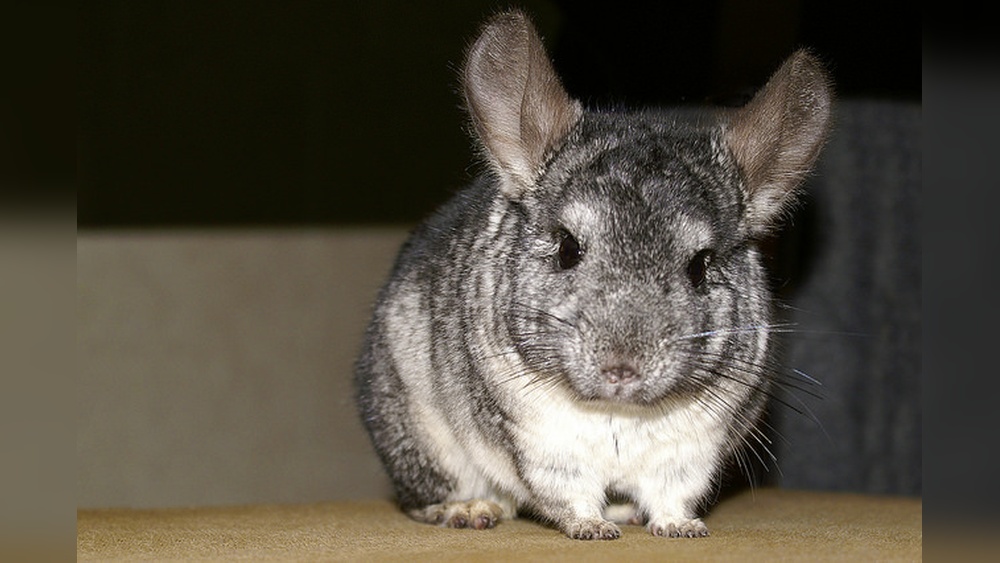
Chinchillas have the densest fur of any land animal. Each hair follicle holds over 50 hairs. This thick fur helps protect them in cold environments.
The fur feels very soft and silky to touch. It rarely sheds, unlike many other pets. Less shedding means fewer loose hairs spread around.
Because their fur is so dense, it traps oils and dust. This can reduce the amount of loose dander floating in the air. Their fur also dries quickly, preventing bacteria growth.
Dander Production Compared
Dander is tiny skin flakes that cause most pet allergies. Chinchillas produce less dander than cats or dogs. This lower dander level can help reduce allergic reactions.
Their dander does not spread easily. This makes the environment cleaner for allergy sufferers. Owners still need to clean their cages regularly to keep dander low.
Even with less dander, some people may still react. Allergies depend on personal sensitivity and exposure amount. Testing is the best way to know for sure.
Hypoallergenic Claims Examined
Many people wonder if chinchillas are hypoallergenic pets. This question matters to allergy sufferers who want a furry companion. The idea that chinchillas do not cause allergies is popular. Examining these claims helps to understand the truth better.
Allergy reactions depend on proteins in animal fur, skin, and saliva. Knowing what hypoallergenic means clears up confusion about chinchillas and allergies.
What Hypoallergenic Means
Hypoallergenic means less likely to cause an allergic reaction. No animal is completely allergy-free. Hypoallergenic pets produce fewer allergens than others. Allergens are tiny proteins found in fur, dander, or saliva. These proteins trigger symptoms like sneezing, itching, or watery eyes.
People with allergies need to find pets with low allergen levels. Hypoallergenic pets may still cause mild reactions. Sensitivity varies from person to person. Understanding hypoallergenic helps set realistic expectations for pet owners.
Are Chinchillas Truly Hypoallergenic?
Chinchillas have dense fur that traps allergens. They groom themselves often, which may reduce loose fur and dander. Some say this lowers allergen spread around the home. But chinchillas still produce proteins that cause allergies.
Scientific studies about chinchilla allergens are limited. Anecdotal reports show mixed results. Some allergy sufferers tolerate chinchillas well. Others experience symptoms despite the claims.
Cleaning cages regularly and limiting direct contact can help. Allergy sufferers should spend time near chinchillas before adopting. This test helps check personal allergy response.
Allergy Testing And Reactions
Allergy testing helps identify if chinchillas cause allergic reactions. Testing shows how the body reacts to pet allergens. This process guides people in managing allergies around chinchillas.
How Allergies Are Diagnosed
Doctors use skin or blood tests to find allergies. Skin tests involve small pricks with allergen extracts. Redness or swelling means an allergic reaction. Blood tests measure antibodies linked to allergies. Both tests show sensitivity to chinchilla proteins.
Chinchilla Allergy Cases
Some people react to chinchilla fur or dust. Symptoms include sneezing, itchy eyes, and skin rashes. Severe reactions are rare but possible. Allergy cases help doctors advise on pet care. Understanding these reactions aids in choosing pets wisely.
Reducing Allergy Risks
Chinchillas are not completely hypoallergenic. They can still cause allergies in some people. The dust from their fur and dander can trigger reactions. Taking steps to reduce exposure helps manage allergy symptoms. Simple habits and regular cleaning lower allergy risks. These small efforts make living with chinchillas easier for sensitive individuals.
Cleaning Tips For Chinchilla Owners
Clean the cage at least once a week. Use a vacuum to remove dust and fur around the cage. Avoid strong cleaning chemicals. Use gentle soap and water instead. Wash chinchilla bedding regularly. Replace old bedding with fresh, dust-free material. Clean your hands after handling your chinchilla. This reduces the spread of allergens.
Managing Exposure Effectively
Keep your chinchilla in a well-ventilated room. Use air purifiers with HEPA filters to reduce airborne allergens. Limit chinchilla access to bedrooms or carpeted areas. Wash clothes and furniture covers often. Avoid touching your face after handling your pet. These steps lower the chance of allergy flare-ups.

Credit: www.icecreamfactoryny.com
Alternatives For Allergy Sufferers
Allergy sufferers often face challenges when choosing a pet. Chinchillas, while cute, may still cause allergic reactions. Finding alternatives that suit sensitive individuals is important. This section explores small pets with low allergies and tips to pick the right pet.
Other Small Pets With Low Allergies
Some small pets produce fewer allergens. Fish are a great option. They live in water and do not shed dander or fur. Reptiles like turtles and geckos also cause fewer allergies. Their scales do not trigger common pet allergies. Hermit crabs are another choice. They require simple care and do not shed fur. These pets can bring joy without allergy worries.
Choosing The Right Pet For You
Consider your allergy sensitivity first. Spend time near the pet before buying it. Observe if symptoms appear. Think about the pet’s care needs and lifespan. Some pets need daily attention, others less so. Choose a pet that fits your lifestyle and health. This approach helps avoid allergy problems and keeps you happy.
Frequently Asked Questions
Are Chinchillas Truly Hypoallergenic Pets?
Chinchillas are often considered hypoallergenic because they produce less dander than other pets. However, some people may still react to their fur or dust baths. It’s best to spend time around chinchillas to test for allergies before adopting one.
What Causes Allergic Reactions To Chinchillas?
Allergic reactions typically stem from proteins in chinchilla saliva, urine, or dander. Their dense fur can trap allergens, which may trigger symptoms in sensitive individuals. Regular cleaning and proper ventilation can help reduce these allergens in your home.
Can Chinchilla Dust Baths Trigger Allergies?
Yes, chinchilla dust baths may cause irritation for allergy sufferers. The fine dust can become airborne and trigger respiratory issues. Using dust in a well-ventilated area and limiting exposure can help minimize allergic reactions.
How To Reduce Allergy Symptoms Around Chinchillas?
To reduce allergies, clean the cage frequently and use air purifiers. Avoid direct contact if you are sensitive, and wash hands after handling chinchillas. Regular grooming and proper ventilation also help keep allergens low.
Conclusion
Chinchillas may seem like good pets for allergy sufferers. Their fur is dense, which can trap allergens. Still, they produce dander and saliva that can cause reactions. Some people with allergies might feel fine, while others may sneeze or itch.
It’s best to spend time with a chinchilla before adopting one. Watching your body’s response helps decide if they suit you. Clean their cage often to reduce allergens. This care helps make living with chinchillas easier for sensitive people. Choose pets that fit your health needs and lifestyle.