
Can Chinchillas And Rabbits Live Together: Ultimate Guide & Tips
Are you thinking about keeping chinchillas and rabbits together? You might wonder if these two cute animals can share the same space safely and happily.
It’s a common question for pet owners who want to create a cozy home for their furry friends. But before you put them in the same cage or play area, there are important things you need to know. Keep reading to discover the truth about their behavior, needs, and how to make sure both your chinchillas and rabbits stay healthy and stress-free.
Don’t risk your pets’ well-being—get the facts first!
Chinchilla And Rabbit Basics
Chinchillas and rabbits are popular small pets. Many wonder if these two animals can live together peacefully. Understanding their basic traits and behavior helps answer this question. Both animals have unique needs and ways of acting.
Knowing these differences is important before keeping them in the same space. Let’s explore what makes chinchillas and rabbits special and how they act.
Chinchilla Traits
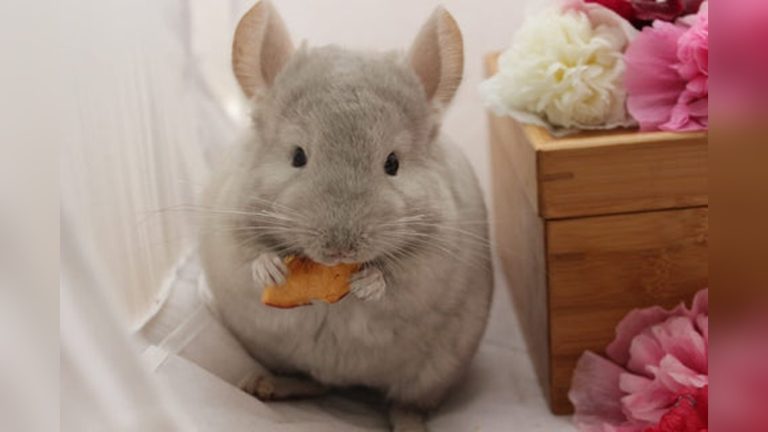
Chinchillas have soft, dense fur that needs regular care. They come from cool mountain areas and dislike heat. These animals are mostly active at night. They love to jump and explore high places. Chinchillas need dust baths to keep clean. They are very sensitive to stress and loud noises. Their diet mainly includes hay and special pellets. Chinchillas live long, up to 15 years with care.
Rabbit Traits
Rabbits have soft fur but not as dense as chinchillas. They prefer moderate temperatures and need space to hop. Rabbits are active during the day and night. They like to dig and chew on things. Their diet includes hay, fresh vegetables, and pellets. Rabbits need daily exercise and social interaction. They can live about 8 to 12 years. Rabbits have strong back legs for quick escapes.
Behavioral Differences
Chinchillas are shy and avoid loud noise. Rabbits are curious and enjoy gentle petting. Chinchillas jump high and move quickly. Rabbits run fast but stay close to the ground. Chinchillas prefer quiet and dark places to hide. Rabbits like open spaces and social contact. Chinchillas may be nervous around new animals. Rabbits often seek attention and can be friendly.

Credit: www.microcomenviro.com
Compatibility Factors
Understanding the compatibility factors between chinchillas and rabbits helps keep both pets safe and happy. These animals have different habits and needs. Their social behavior, living space, and diet play key roles in their ability to live together.
Social Needs
Chinchillas are shy and prefer quiet environments. They enjoy being alone or with their own kind. Rabbits are more social and like company. They often seek attention from humans or other rabbits. These differences can cause stress if they share the same space. Careful observation is important to notice any signs of discomfort.
Space Requirements
Both chinchillas and rabbits need enough room to move freely. Chinchillas like to jump and climb high places. Rabbits need a wide area to hop around. Crowded spaces can lead to fights or injuries. Separate hiding spots and resting areas help reduce tension. Proper space allows each pet to feel safe and secure.
Dietary Differences
Chinchillas eat mostly hay, pellets made for chinchillas, and fresh water. They cannot digest fresh vegetables or fruits well. Rabbits eat hay, fresh veggies, and some fruits in small amounts. Feeding the wrong food to either pet can cause health issues. Keep their food separate and provide what each animal needs.
Housing Setup
Setting up the right housing is key for chinchillas and rabbits to live safely. Their needs differ a lot. Proper space, design, and environment keep them happy and healthy. Careful planning avoids stress and fights.
Separate Vs Shared Enclosures
Chinchillas and rabbits should have separate enclosures. They have different habits and space needs. Rabbits like to stretch and hop around. Chinchillas need vertical space to jump and climb. Shared cages cause stress and possible injury. Separate homes reduce fights and keep peace.
Safe Habitat Design
Each habitat must be safe and secure. Use chew-proof materials for chinchillas as they love to chew. Provide hiding spots for both animals to feel safe. Avoid sharp edges or small gaps. Good ventilation is a must. Soft bedding helps rabbits stay comfortable.
Temperature And Environment
Chinchillas prefer cooler temperatures around 60-70°F. Rabbits can handle slightly warmer but not hot places. Keep both habitats away from direct sunlight and heat sources. Avoid damp or drafty areas. Proper humidity prevents health problems. Check temperature often for comfort.

Credit: www.microcomenviro.com
Introducing Them Safely
Introducing chinchillas and rabbits safely is key to a peaceful home. Both animals have different ways to show feelings. Careful steps help them get used to each other. Patience and calm are important during this process.
Proper introduction lowers risks and builds trust between pets. It also stops fights and stress. Follow these tips to make the meeting smooth and safe.
Initial Meeting Tips
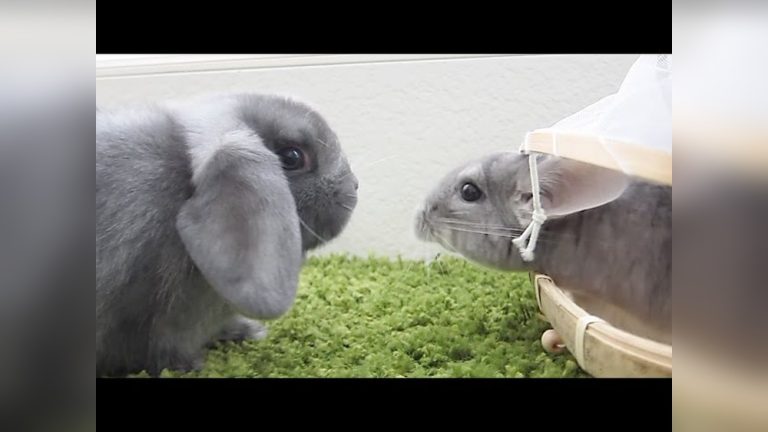
Start by placing each pet in separate cages near each other. Let them see and smell but not touch. This helps them get used to new scents and sounds. Keep the first meeting short, about 10 minutes. Repeat daily until both seem calm and curious.
Use treats to create positive feelings. Speak softly and stay calm to avoid scaring them. Never force them to interact before they are ready.
Supervised Interaction
After several calm cage meetings, try a short, supervised face-to-face. Choose a quiet room with no hiding spots. Keep the floor clean and free of dangerous items. Watch closely for any signs of fear or aggression.
Use a barrier if needed, like a baby gate, to control contact. Always stay calm and ready to separate them quickly. Gradually increase the interaction time as they get more comfortable.
Signs Of Stress Or Aggression
Watch for signs like growling, biting, or chasing. Chinchillas may puff up or freeze. Rabbits might thump their back legs or try to escape. Heavy breathing and wide eyes show fear.
If you see these signs, separate them immediately. Give them time to relax before trying again. Never ignore aggressive behavior; it can lead to injury.
Daily Care And Maintenance
Daily care and maintenance are key to keeping chinchillas and rabbits healthy and happy. Both animals have unique needs. Meeting these needs helps them live well together. Care routines must focus on food, cleanliness, and health checks. These habits prevent problems and build trust.
Feeding Strategies
Chinchillas and rabbits eat different foods. Chinchillas need dust-free hay and special pellets. Rabbits enjoy fresh vegetables and grass hay. Separate feeding areas stop fights and food mix-ups. Always provide fresh water for both. Monitor their eating habits closely each day.
Cleaning Routines
Clean cages every day to prevent odors and germs. Remove soiled bedding and replace it with fresh material. Clean food bowls and water bottles regularly. Use safe, gentle cleaners. Spot clean any messes between deep cleans. A clean environment keeps both pets comfortable.
Health Monitoring
Watch for signs of illness like loss of appetite or lethargy. Check fur and skin for parasites or wounds. Observe their behavior for stress or aggression. Regularly check teeth, as both animals can have dental issues. Early detection helps avoid serious health problems.
Common Challenges
Keeping chinchillas and rabbits together can be tricky. Both animals have different needs and behaviors. These differences can cause problems in their shared space. Understanding common challenges helps you prepare better for their care.
Read on to learn about aggression, health risks, and behavior conflicts between chinchillas and rabbits.
Aggression Issues
Chinchillas and rabbits may show aggression toward each other. Rabbits can be territorial and may chase chinchillas. Chinchillas might bite if scared or stressed. This fighting can cause injuries to both pets. Aggression often happens without clear signs at first.
Health Risks
Both animals carry different germs and parasites. These can spread easily when they live together. Rabbits might have bacteria harmful to chinchillas and vice versa. Sharing food or water bowls increases health risks. Stress from sharing space also lowers their immune systems.
Behavioral Conflicts
Chinchillas are nocturnal and active at night. Rabbits are crepuscular, active mostly at dawn and dusk. Their activity times may not match, causing stress. Rabbits like to dig and chew on many things. Chinchillas need dust baths and specific toys. Their habits can clash, causing frustration and anxiety.
Expert Tips For Harmony
Keeping chinchillas and rabbits together needs care and attention. Each animal has different needs and habits. Experts suggest ways to help them live peacefully. Small changes in their environment can make a big difference. The goal is a calm and happy home for both pets.
Enrichment Ideas
Provide toys that suit both animals. Chinchillas love dust baths and chew toys. Rabbits enjoy tunnels and soft bedding. Offer separate play areas to avoid fights. Rotate toys often to keep them interested. Safe spaces help each pet feel secure.
Stress Reduction Techniques
Keep noise levels low around them. Loud sounds can scare chinchillas and rabbits. Feed them on time to avoid hunger stress. Watch their body language for signs of fear. Gentle handling builds trust slowly. Quiet time helps them relax and bond.
When To Separate Them
Look for signs of aggression or fear. Growling, biting, or hiding means trouble. Separate them immediately to avoid injuries. If one pet seems sick, keep them apart. Long-term separation may be needed for safety. Always prioritize their health and comfort.

Credit: www.youtube.com
Frequently Asked Questions
Can Chinchillas And Rabbits Share The Same Cage?
Chinchillas and rabbits should not share the same cage. Their different needs and behaviors can cause stress and health issues. Separate enclosures ensure both animals have safe, comfortable spaces tailored to their specific requirements.
Are Chinchillas And Rabbits Compatible Pets?
Chinchillas and rabbits can coexist but require careful supervision. They have different social and environmental needs. Introducing them gradually in a controlled setting helps prevent conflicts and promotes peaceful interaction.
What Are The Risks Of Housing Chinchillas With Rabbits?
Housing chinchillas with rabbits risks injury and stress. Rabbits may unintentionally harm delicate chinchillas. Disease transmission is also a concern. Separate habitats reduce these risks and promote animal well-being.
How To Safely Introduce Chinchillas To Rabbits?
Introduce chinchillas to rabbits slowly and in neutral territory. Monitor their behavior closely for signs of aggression or stress. Use separate cages initially and allow supervised interaction to build trust safely.
Conclusion
Chinchillas and rabbits have different needs and habits. They may not share space happily. Separate cages keep them safe and stress-free. Both animals need room to move and play. Careful observation helps avoid fights or injuries. Each pet deserves a calm and clean home.
Think about their comfort before housing them together. Peaceful pets make happy companions for you. Choose what works best for your furry friends.