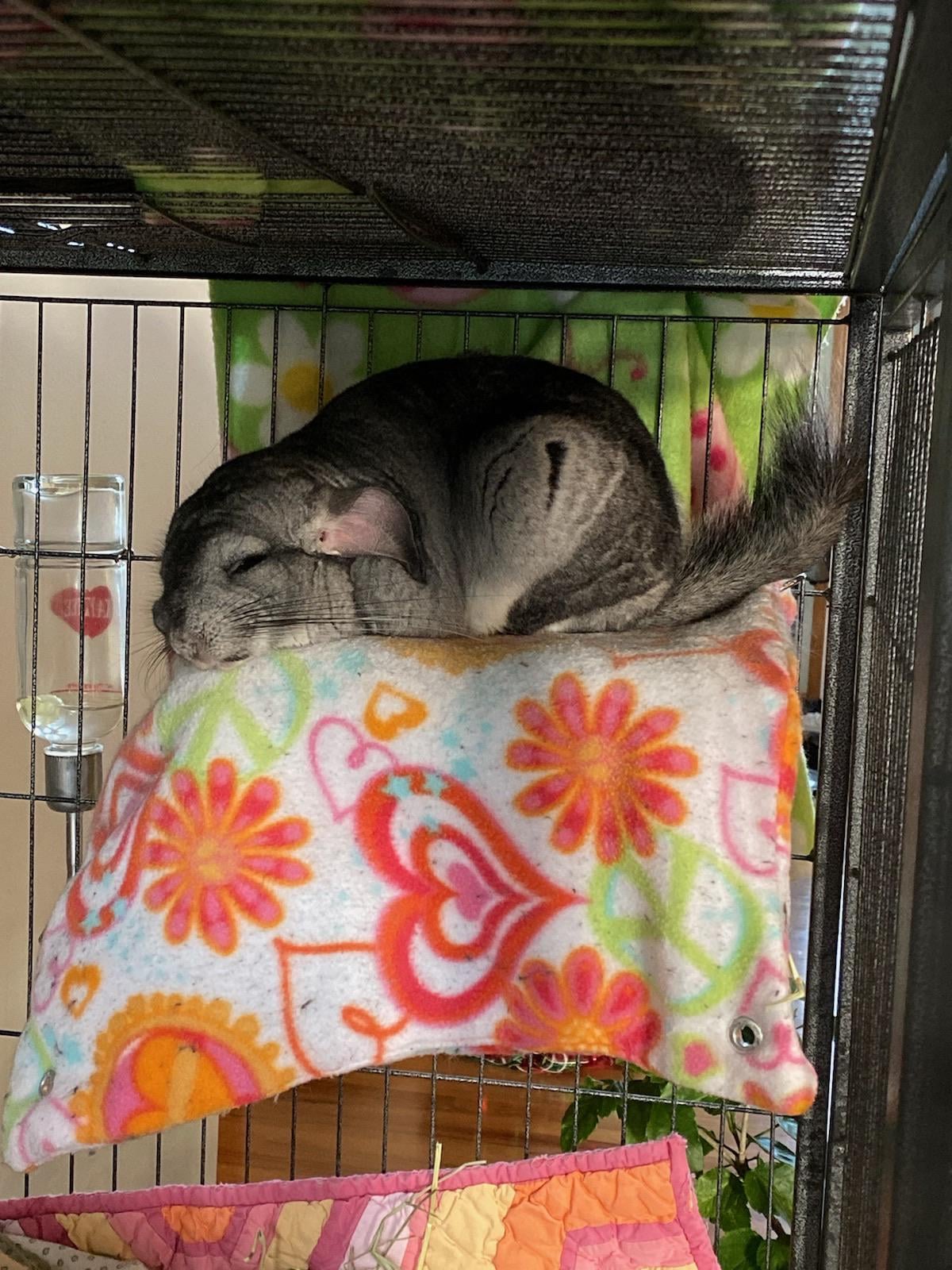
Do Chinchillas Hibernate: Uncovering the Surprising Truth
No, chinchillas do not hibernate. These small rodents stay active throughout the year.
Chinchillas are fascinating creatures, known for their soft fur and playful nature. Understanding their habits can help you take better care of them. Unlike some animals, chinchillas do not enter a state of hibernation during cold months. Instead, they stay active and maintain their energy levels.
This unique trait makes them different from many other small mammals. Knowing this can help you provide the best environment for your chinchilla. Whether you are a new chinchilla owner or just curious, this information is essential. Let’s explore more about these delightful pets and their behavior.
Introduction To Chinchillas
Chinchillas are fascinating creatures. These small mammals are known for their soft fur and playful nature. Many people are curious about their habits, especially if they hibernate.
Origin And Habitat
Chinchillas come from the Andes Mountains in South America. They live in rocky, mountainous regions. These areas have cool temperatures and sparse vegetation. This environment has shaped their unique characteristics.
Physical Characteristics
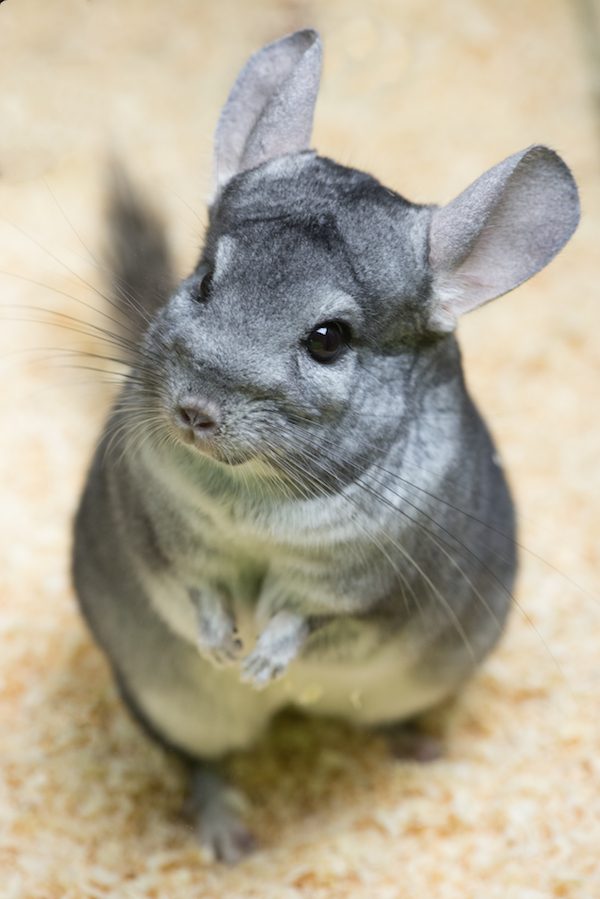
Chinchillas have dense, soft fur. This helps them stay warm in cold climates. They are small, weighing between 1 and 2 pounds. Their large ears and bushy tails are distinctive features. Chinchillas also have strong hind legs for jumping. Their long whiskers help them navigate in the dark.
Natural Behavior
Chinchillas are fascinating creatures with unique natural behaviors. Unlike some animals, they do not hibernate. Their daily routines and social structures are quite interesting. Understanding these behaviors can help in providing the best care for them.
Daily Activities
Chinchillas are nocturnal. They are most active during the night. During the day, they rest and sleep. They love to jump and climb. Their strong back legs help them leap high. Dust baths are a favorite activity. It keeps their fur clean and healthy. They also chew often. This keeps their teeth from growing too long.
Social Structure
Chinchillas are social animals. They prefer to live in groups. In the wild, they live in colonies. This helps them feel safe. In captivity, they enjoy the company of other chinchillas. They communicate through various sounds. Squeaks, barks, and chirps are common. Understanding these sounds can help in bonding with them.
Understanding Hibernation
Understanding hibernation is essential to knowing how different animals survive harsh climates. Chinchillas, like other animals, have unique ways of coping with temperature changes. To understand their behavior, we first need to grasp what hibernation means.
Definition Of Hibernation
Hibernation is a state of dormancy that some animals enter during winter. It involves a drastic drop in body temperature, heart rate, and metabolism. This helps them conserve energy when food is scarce.
Hibernation In The Animal Kingdom
Many animals hibernate to survive cold seasons. Common examples include bears, bats, and ground squirrels. Each species has its unique way of entering and exiting this state. Not all animals hibernate, but many have adapted other methods to cope with winter.
| Animal | Hibernation Method |
|---|---|
| Bears | Lower metabolism, stay in dens |
| Bats | Enter torpor, cluster together |
| Ground Squirrels | Burrow underground, reduce activity |
Chinchillas, though not hibernators, still need warmth. They thrive in stable temperatures and can suffer in extreme cold. Understanding these differences helps in providing better care.

Credit: www.sciencedirect.com
Chinchillas’ Response To Cold
Chinchillas are fascinating creatures with unique responses to different temperatures. Understanding how they react to cold is crucial for their well-being. Let’s explore how they handle chilly conditions.
Temperature Tolerance
Chinchillas thrive in cool environments. They prefer temperatures between 60-70°F. Above 75°F, they risk overheating. Cold temperatures are less harmful, but they still need protection.
Behavior In Cold Weather
In cold weather, chinchillas become less active. They seek warmth in their nests. You might notice them huddling together. This behavior helps retain body heat.
Ensure their habitat is draft-free. Provide soft bedding. This keeps them comfortable and warm. Monitor their behavior closely during cold spells.
Do Chinchillas Hibernate?
Chinchillas are fascinating creatures with unique behaviors. Pet owners often wonder, Do chinchillas hibernate? It’s essential to understand their natural habits to ensure proper care. This section delves into scientific findings and debunks common myths.
Scientific Findings
Chinchillas are native to the Andes Mountains in South America. Their natural habitat is cold and rocky. Despite this, chinchillas do not hibernate. Scientific studies show they remain active throughout the year. They have adapted to survive in harsh conditions without hibernation.
Chinchillas have thick fur to keep warm. This fur helps them stay active even during colder months. Unlike some animals, they do not need to slow down their metabolism. Instead, they maintain regular activity and eating patterns.
Common Myths
There are several myths about chinchillas hibernating. One common myth is that chinchillas sleep more in winter. This is not true. Chinchillas may seek warmer spots, but they do not enter a hibernation state.
Another myth is that chinchillas need special diets in winter. In reality, their diet remains consistent year-round. Providing a balanced diet of hay, pellets, and occasional treats is sufficient.
It’s also believed that chinchillas become less active in cold weather. Again, this is false. Chinchillas stay active and playful regardless of the season. Understanding these myths helps provide better care for your pet.
| Myth | Fact |
|---|---|
| Chinchillas hibernate in winter | Chinchillas do not hibernate |
| Chinchillas need special winter diets | Diet remains the same year-round |
| Chinchillas become less active in cold | Chinchillas stay active all year |
Understanding chinchilla behavior is crucial. Knowing they do not hibernate helps ensure their well-being. Keep your chinchilla warm and comfortable, and they will stay happy and healthy.
Credit: smallpetselect.com
Chinchilla Care In Winter
Chinchillas are sensitive to temperature changes. Winter can be challenging for them. Proper care is crucial to keep them healthy and comfortable.
Ideal Temperature Range
Chinchillas thrive in cooler temperatures. The ideal range is between 60°F to 70°F (15°C to 21°C). Temperatures above 75°F (24°C) can cause heat stress. Monitor the room temperature regularly.
Winter Housing Tips
Provide a draft-free environment. Place their cage away from windows and doors. Use a solid floor cage to keep out cold drafts. Ensure the room is well-insulated.
Add extra bedding. Use materials like fleece or hay. This helps keep chinchillas warm. Avoid using heating pads or electric blankets. They can overheat and cause burns.
Check for moisture. Wet bedding can make chinchillas cold. Replace damp bedding immediately. Keep their cage dry at all times.
Provide plenty of hay. Chinchillas need hay for warmth and nutrition. Keep their water bottle from freezing. Use a heated water bottle if necessary.
Regularly check on your chinchillas. Ensure they are eating and active. Look for signs of illness or discomfort. Prompt action is key to their well-being.
Health Risks In Cold Weather
Chinchillas are native to the Andes Mountains in South America. They are used to a cool and dry climate. Yet, domestic chinchillas can face significant health risks in cold weather. Understanding these risks is crucial for pet owners.
Frostbite And Hypothermia
Frostbite occurs when a chinchilla’s skin and tissues freeze due to extreme cold. Ears, paws, and tails are most vulnerable. Signs include pale or gray skin, swelling, and blisters. Immediate action is necessary to prevent permanent damage.
Hypothermia happens when a chinchilla’s body temperature drops too low. Symptoms include shivering, weakness, and lethargy. Without quick intervention, hypothermia can be fatal. Providing warmth is essential to recovery.
Preventive Measures
To protect chinchillas from cold weather, follow these preventive measures:
- Keep their environment between 60-70°F (15-21°C).
- Use a thermostat to monitor room temperature.
- Provide a heated pet pad or insulated bedding.
- Avoid placing cages near windows or drafts.
- Limit outdoor exposure, especially in winter.
By maintaining a warm and stable environment, you can safeguard your chinchilla’s health. Prevention is the key to avoiding cold weather health risks.
| Health Risk | Signs | Prevention |
|---|---|---|
| Frostbite | Pale skin, swelling, blisters | Keep warm, avoid drafts, monitor temperature |
| Hypothermia | Shivering, weakness, lethargy | Use heated pads, insulate bedding, limit outdoor time |
Credit: pangovet.com
Frequently Asked Questions
Do Chinchillas Hibernate In The Winter?
No, chinchillas do not hibernate in the winter. They are native to the Andes Mountains, where temperatures can be cold, but they remain active year-round.
How Do Chinchillas Stay Warm?
Chinchillas stay warm with their dense fur. It provides excellent insulation. Keeping their living environment at a stable temperature also helps.
What Temperature Is Too Cold For Chinchillas?
Temperatures below 50°F (10°C) can be too cold for chinchillas. They thrive best in temperatures between 60°F and 70°F (15°C to 21°C).
Can Chinchillas Live Outside?
No, chinchillas should not live outside. They need a controlled indoor environment to stay healthy and safe from extreme temperatures.
Conclusion
Chinchillas do not hibernate, even in cold climates. They stay active all year round. Proper care and environment are crucial. Provide warmth and a balanced diet to keep them healthy. Understanding their needs ensures they thrive. Chinchillas are unique pets requiring specific attention.
Always research and consult experts for best practices. Happy and healthy chinchillas make wonderful companions.