How to Litter Train a Ferret: Easy Steps for Quick Success
If you have a ferret, you know how playful and curious they can be. But you might also be dealing with the challenge of keeping your home clean.
Learning how to litter train a ferret can make your life much easier. Imagine having a happy pet that knows exactly where to go when nature calls. In this guide, you’ll discover simple, effective steps to teach your ferret good bathroom habits.
Stick with me, and you’ll soon enjoy a cleaner home and a happier ferret. Let’s get started!
Choosing The Right Litter Box
Choosing the right litter box is key to successful ferret litter training. A good litter box makes your ferret feel safe and comfortable. It helps them learn fast and keeps your home clean.
Size And Shape Considerations
Pick a litter box that fits your ferret’s size. Small boxes can trap them inside. Large boxes give room to move but need more space in your home. A low entrance helps ferrets get in and out easily. Rounded corners make cleaning simpler and avoid sharp edges that can hurt your pet.
Material Options
Plastic is the best material for litter boxes. It is easy to clean and lasts long. Avoid metal or wood as they can absorb smells. Look for boxes with smooth surfaces to stop bacteria build-up. Some come with covers to reduce smell, but many ferrets prefer open boxes for better air flow.
Placement Tips
Place the litter box in a quiet, low-traffic area. Ferrets like privacy when they go. Avoid noisy or busy spots. Keep the box near where your ferret spends time. Check the spot daily and clean the box often to keep your ferret using it happily.
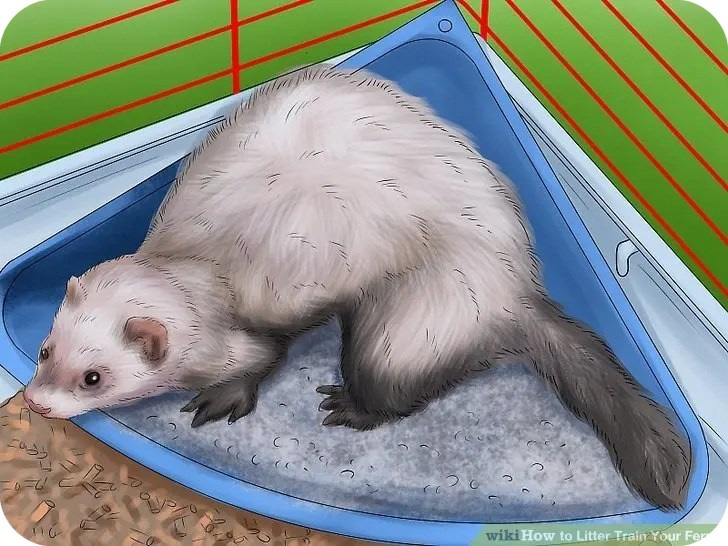
Credit: www.dangerfieldsofshakopee.com
Selecting Suitable Litter
Selecting the right litter for your ferret is a key step in litter training. The litter must be safe and comfortable for your pet. It should also help control odor to keep your home fresh. Choosing suitable litter makes training easier and keeps your ferret healthy.
Safe Litter Types
Choose litter made from natural materials like recycled paper or wood pellets. These are gentle on your ferret’s paws and easy to clean. Avoid dusty litters that can irritate your ferret’s lungs and eyes. Clumping clay litter is not safe as your ferret might eat it. Always pick litter labeled as safe for small animals.
Avoiding Harmful Materials
Stay away from litters with strong chemicals or fragrances. These can harm your ferret’s sensitive nose and skin. Avoid pine or cedar shavings because they release oils that may cause breathing problems. Do not use clumping clay litter since it can cause blockages if ingested. Always check the ingredients before buying.
Odor Control
Ferrets have a strong smell, so odor control is important. Use litter that absorbs moisture well to reduce bad smells. Natural litter with baking soda helps keep odors low without chemicals. Change the litter regularly to keep the area fresh. Good odor control makes your home pleasant and helps your ferret stay clean.
Preparing Your Ferret
Preparing your ferret for litter training sets the stage for success. Start by creating a calm and safe environment. Ferrets are curious but can get nervous easily. Patience is key during this early phase. Observe your ferret’s habits to understand their needs better.
Introducing The Litter Box
Place the litter box in a quiet corner your ferret visits often. Choose a shallow box for easy access. Use a litter that is safe and dust-free. Let your ferret explore the box without pressure. Show them the box after play or naps. Familiarity helps reduce fear and confusion.
Recognizing Bathroom Signals
Watch for signs your ferret needs to go. They may sniff around or pace nervously. Some ferrets circle before bathroom time. Catching these signals helps you guide them to the box. Early recognition prevents accidents and builds good habits.
Positive Reinforcement
Reward your ferret with gentle praise or treats after using the box. Keep rewards consistent and immediate. Avoid punishment, which can scare your pet. Celebrate small wins to keep motivation high. Positive vibes make learning smooth and joyful.
Training Techniques
Training your ferret to use a litter box takes patience and clear steps. Using the right techniques helps your ferret learn faster. Consistency is key. Positive reinforcement guides your ferret to good behavior. Let’s explore some effective training methods.
Consistent Scheduling
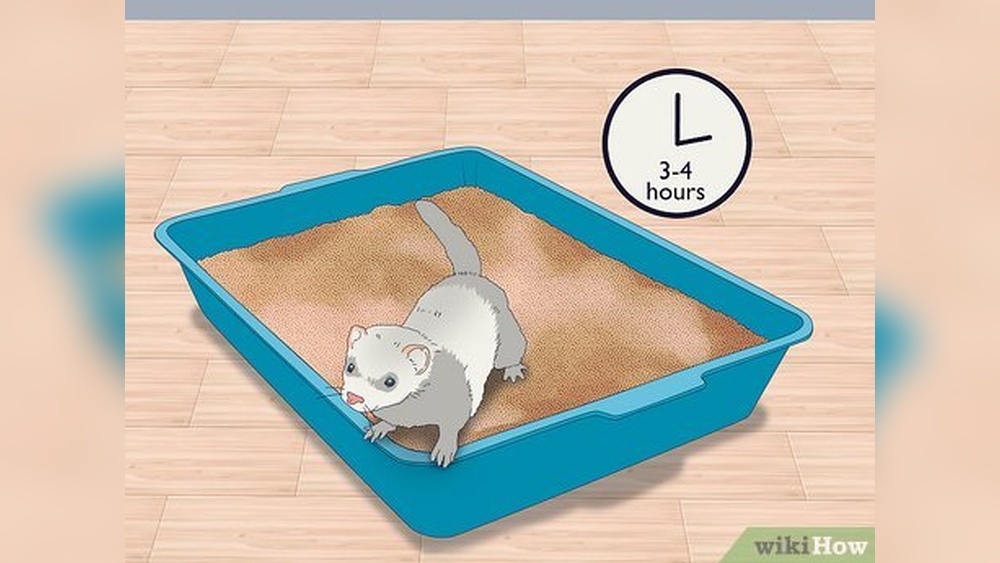
Set specific times for your ferret to use the litter box. Take your ferret to the box after meals and naps. Regular visits build a habit. Avoid long gaps between litter breaks. Consistency helps your ferret understand where to go.
Using Treats And Praise
Give small treats when your ferret uses the litter box. Praise softly to encourage good behavior. Rewards make learning enjoyable. Keep treats healthy and easy to eat. Positive feedback motivates your ferret to repeat good actions.
Handling Accidents
Clean accidents quickly with an enzyme cleaner. Avoid scolding or punishment. Negative reactions can cause fear or confusion. Instead, gently place your ferret in the litter box after an accident. Patience helps your ferret learn the right spot.
Maintaining Cleanliness
Maintaining cleanliness is key to successful ferret litter training. A clean environment keeps your ferret healthy and happy. It also encourages them to use the litter box regularly. Dirty cages or litter boxes can cause stress and bad habits. Consistent cleaning helps avoid these problems and makes your home smell fresh.
Daily Cleaning Routine
Remove soiled litter every day. Scoop out clumps and waste to keep the box fresh. Replace with clean litter as needed. Wipe the edges of the litter box to remove any spills. Clean your ferret’s cage floor to prevent buildup. A quick daily clean keeps odors low and encourages good habits.
Deep Cleaning Methods
Once a week, empty the entire litter box. Wash it with mild soap and warm water. Avoid strong chemicals that can harm your ferret. Rinse well and dry completely before adding fresh litter. Clean the cage bedding and toys too. Deep cleaning prevents bacteria and keeps your ferret safe.
Preventing Odors
Use absorbent, dust-free litter to reduce smells. Replace litter frequently to keep the area fresh. Ventilate the room where your ferret lives. Baking soda in small amounts can help absorb odors. Avoid scented litter, as it may irritate your ferret. A clean, odor-free space makes your ferret more comfortable.
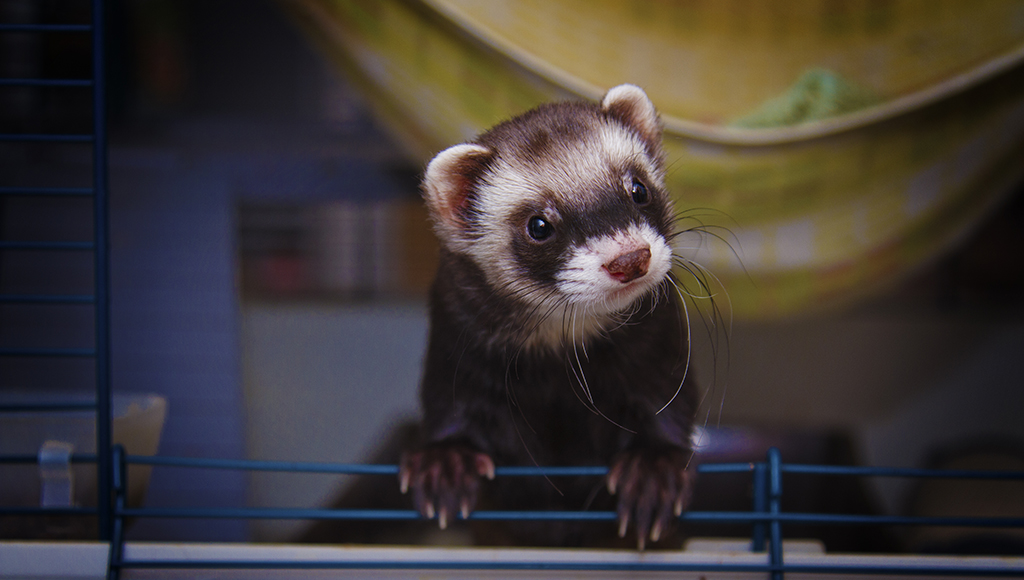
Credit: www.petassure.com
Troubleshooting Common Issues
Troubleshooting common issues is key to successful ferret litter training. Some ferrets may not use the litter box right away. Others might mark or spray around the house. Health problems can also cause accidents. Understanding these issues helps you train your ferret better.
Ignoring The Litter Box
Ferrets sometimes ignore the litter box for many reasons. The box might be dirty or in a noisy place. Change the litter often. Place the box where your ferret feels safe. Try different types of litter to find one your ferret likes. Patience is important. Reward your ferret when it uses the box correctly.
Spraying And Marking
Spraying is a natural way ferrets mark territory. Neutered ferrets spray less. Males spray more than females. Clean sprayed areas with enzyme cleaner to remove odors. Use multiple litter boxes in different rooms. Spaying or neutering can reduce spraying. Watch your ferret’s behavior to catch spraying early.
Health Concerns Affecting Training
Health issues may cause accidents outside the box. Urinary tract infections or bladder problems are common. Pain or discomfort can stop your ferret from using the litter box. Take your ferret to the vet if accidents increase suddenly. Regular vet checks keep your ferret healthy and happy. Healthy ferrets learn litter training faster.
Credit: www.youtube.com
Frequently Asked Questions
How Long Does It Take To Litter Train A Ferret?
Litter training a ferret typically takes 2 to 4 weeks. Consistency and patience are key during this period. Use positive reinforcement and keep the litter box clean to encourage good habits.
What Type Of Litter Is Best For Ferrets?
Choose unscented, dust-free clumping litter or recycled paper pellets. Avoid clay or clumping litters that can harm ferrets. Safe litter ensures comfort and prevents respiratory issues.
Where Should I Place The Ferret’s Litter Box?
Place the litter box in a quiet, accessible area your ferret frequents. Common spots include corners of their cage or play area. Consistent placement helps your ferret learn where to go.
How Often Should I Clean The Ferret’s Litter Box?
Clean the litter box daily to prevent odor and encourage use. Replace litter fully once a week. Regular cleaning maintains hygiene and keeps your ferret comfortable.
Conclusion
Training a ferret to use a litter box takes time and patience. Start with a good litter box and place it where your ferret likes to go. Praise your ferret when it uses the box correctly. Clean the box often to keep it fresh.
Watch your ferret’s habits and adjust as needed. Small steps lead to success. With care and consistency, your ferret will learn quickly. Enjoy the process and the clean home that follows.