Gerbil Vs Hamster Vs Guinea Pig: Ultimate Pet Comparison Guide
Small pets like gerbils, hamsters, and guinea pigs are popular choices. Each has unique traits and care needs.
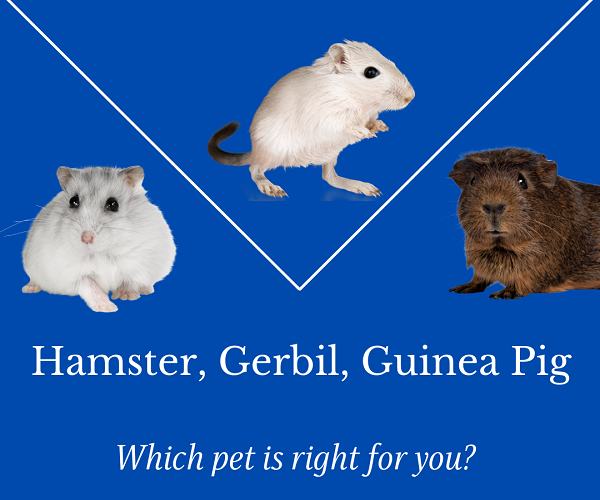
Choosing the right small pet can be a challenge. Gerbils, hamsters, and guinea pigs all have their own charm. This blog post will help you understand the differences between these furry friends. We will explore their habits, care requirements, and personalities.
This comparison will guide you in making an informed decision. Whether you’re a first-time pet owner or looking to add another pet, understanding these differences is key. Let’s delve into the world of gerbils, hamsters, and guinea pigs. Find out which one suits your lifestyle and preferences best. Read on to make the best choice for you and your new pet.

Credit: petsbynumbers.com
Introduction To Small Pets
Small pets like gerbils, hamsters, and guinea pigs are popular among pet lovers. They are cute, easy to handle, and require less space. These pets can bring a lot of joy and companionship. Each small pet has unique needs and characteristics. Understanding these differences helps in choosing the best pet for your home.
Choosing The Right Pet
Choosing between gerbils, hamsters, and guinea pigs can be challenging. It’s important to consider your lifestyle and preferences. Let’s look at what makes each of these small pets special.
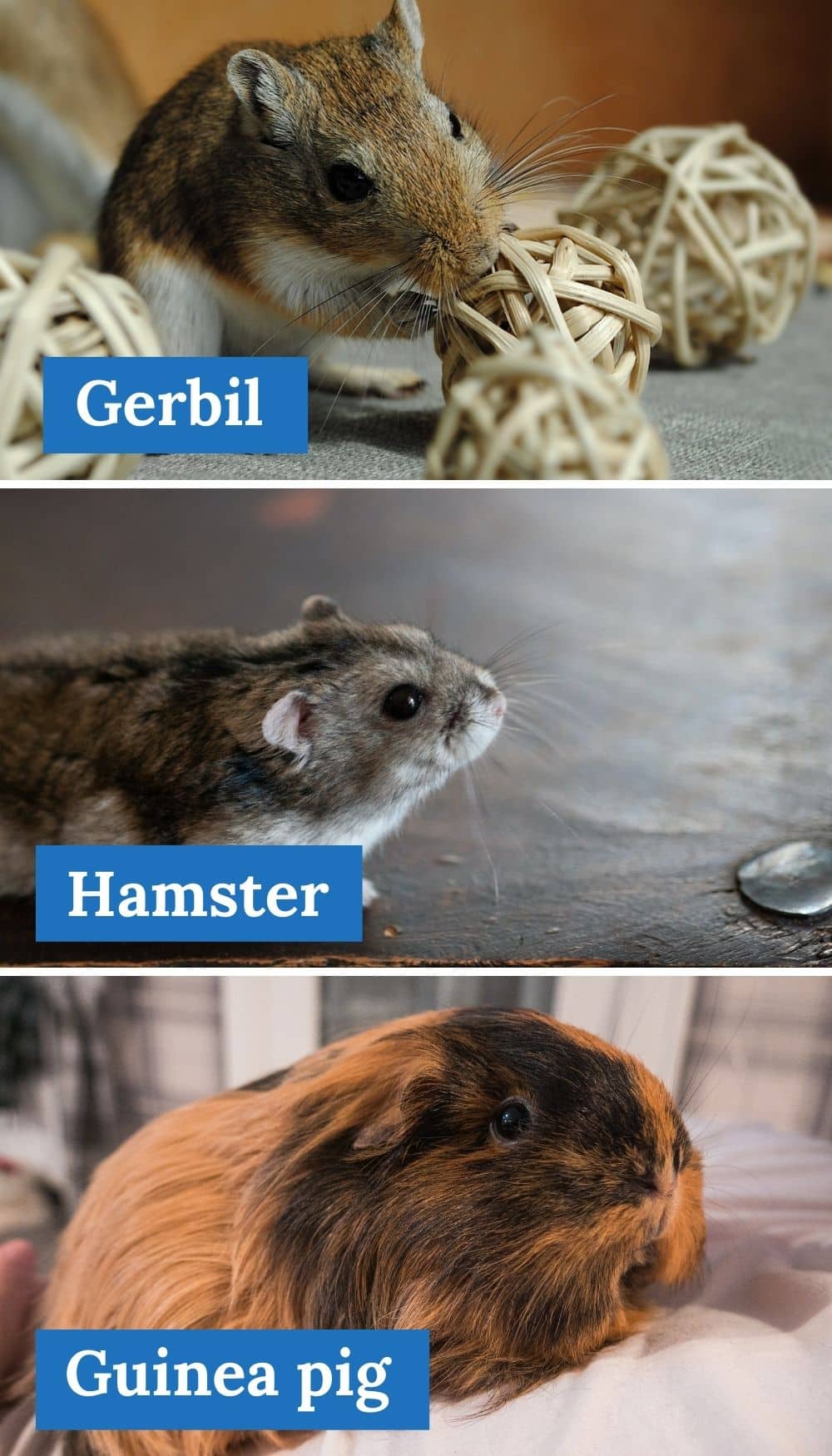
Gerbils: These active and social creatures are fun to watch. Gerbils enjoy digging and need a spacious cage.
Hamsters: They are nocturnal and prefer to be alone. Hamsters are great for those who like to observe their pet’s night-time activities.
Guinea Pigs: These friendly pets enjoy human interaction. They need more space and time with their owners.
Factors To Consider
When deciding on a small pet, consider the following factors:
- Space: Gerbils and hamsters need less space than guinea pigs.
- Time: Guinea pigs need more daily interaction compared to gerbils and hamsters.
- Activity Level: Gerbils are very active. Hamsters are active at night. Guinea pigs are more relaxed.
- Social Needs: Gerbils and guinea pigs are social and may need companions. Hamsters prefer solitude.
- Diet: Each pet has specific dietary needs. Guinea pigs need fresh vegetables daily.
Consider these points to ensure a happy and healthy pet. Understanding the differences helps in making an informed decision. Your lifestyle and the pet’s needs should align for the best experience.

Credit: allanspetcenter.com
Gerbils: Pros And Cons
Gerbils are small, active rodents that make great pets. They are unique in their behavior and needs. Understanding the pros and cons of owning gerbils can help you decide if they are the right pet for you. Below, we explore the characteristics, advantages, and disadvantages of owning gerbils.
Gerbil Characteristics
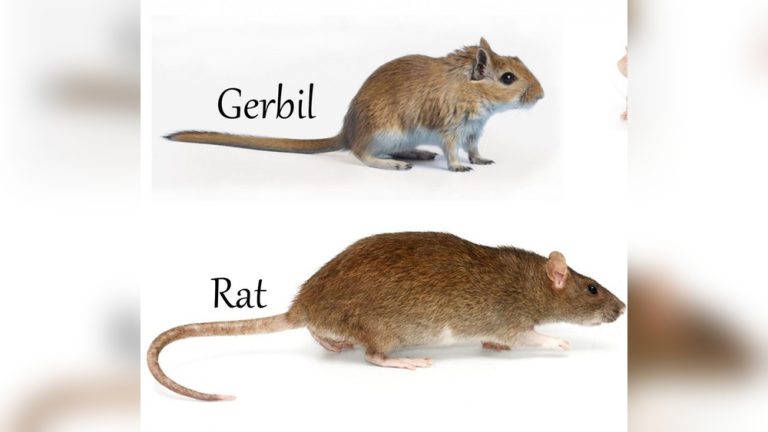
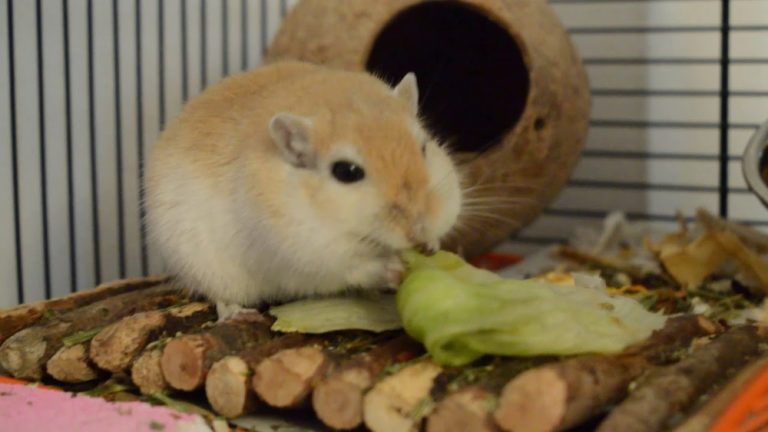
Gerbils are social animals that prefer living in pairs or groups. They are active and curious, often seen exploring their habitat. Gerbils have long tails and strong hind legs for jumping. They are usually awake during the day, unlike some other rodents. Gerbils are clean animals and do not have a strong odor.
Pros Of Owning Gerbils
Gerbils are low-maintenance pets. They require minimal grooming and care. Their cages do not need frequent cleaning. Gerbils are friendly and enjoy interaction with their owners. They rarely bite, making them safe for children. Gerbils are also entertaining to watch due to their active nature. They are inexpensive to keep, with affordable food and supplies.
Cons Of Owning Gerbils
Gerbils can be challenging to handle for small children. They are quick and can escape easily. Gerbils need a spacious cage with plenty of toys and tunnels. They may chew on plastic or wood, causing damage. Gerbils can be noisy, especially at night. They have a short lifespan, typically living 2-3 years. This can be hard for young pet owners to understand.
Hamsters: Pros And Cons
Hamsters are small, adorable pets. They are popular among families and singles alike. But, before getting one, it’s important to know their characteristics, pros, and cons.
Hamster Characteristics
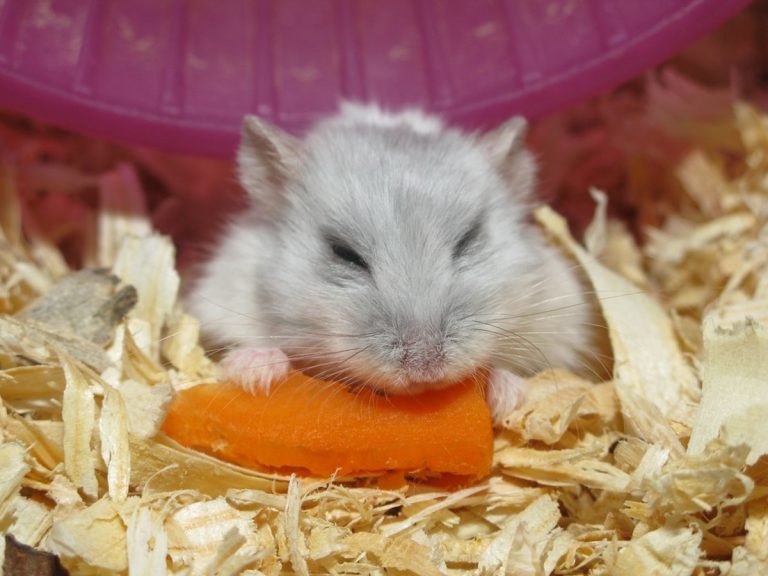
Hamsters are nocturnal animals. They are most active at night. They have a short lifespan, usually 2-3 years. Hamsters come in various breeds and sizes. They need a comfortable cage with tunnels and bedding. Hamsters are solitary creatures. They prefer living alone.
Pros Of Owning Hamsters
Hamsters are low-maintenance pets. They don’t need much attention. They are small and easy to handle. Hamsters are quiet, making them great for apartments. They are also inexpensive to care for. Kids love watching their playful activities. Hamsters can be trained to use a litter box.
Cons Of Owning Hamsters
Hamsters are nocturnal, so they may keep you up at night. They can be difficult to handle for young children. Hamsters have a short lifespan, which can be sad for owners. They may bite if they feel threatened. Their cages need frequent cleaning to avoid bad smells. Hamsters can escape from their cages easily.
Guinea Pigs: Pros And Cons
Are you thinking of getting a small pet? Guinea pigs might be a great choice. Below, we explore the characteristics, pros, and cons of owning guinea pigs.
Guinea Pig Characteristics
Guinea pigs are small rodents known for their friendly nature. They have a lifespan of around 5-7 years. Guinea pigs are larger than hamsters and gerbils, typically weighing between 1.5 to 2.5 pounds.
They are social creatures and prefer the company of other guinea pigs. These pets are less active at night and do not climb much, making them easier to handle. They have a wide range of vocalizations, which can be quite entertaining.
Pros Of Owning Guinea Pigs
- Friendly Nature: Guinea pigs are known for their gentle and social behavior. They enjoy human interaction and rarely bite.
- Low Maintenance: They require less frequent cage cleaning compared to other small pets.
- Vocalization: Their various sounds can be amusing and help you understand their needs.
- Diet: Their food is easily available and includes hay, fresh vegetables, and pellets.
Cons Of Owning Guinea Pigs
- Space Requirements: They need a larger cage compared to hamsters and gerbils.
- Social Needs: Guinea pigs thrive better in pairs, which means you may need to get more than one.
- Vocalization: While their sounds can be fun, they can also be loud at times.
- Health Care: They may require regular vet visits to check for common issues like dental problems.
Dietary Needs
Understanding the dietary needs of your pet is crucial for their health. Each type of small pet has unique nutritional requirements. Let’s explore what gerbils, hamsters, and guinea pigs need to stay healthy and happy.
Gerbil Diet
Gerbils are omnivores. They need a mix of seeds, grains, and vegetables. A balanced gerbil diet includes:
- Seeds and grains: Sunflower seeds, millet, and oats.
- Fresh vegetables: Carrots, broccoli, and peas.
- Protein sources: Mealworms and boiled eggs.
Gerbils also need a constant supply of fresh water. Avoid sugary treats and limit fruits.
Hamster Diet
Hamsters are also omnivores. Their diet should include a variety of foods. Key components of a hamster diet are:
- Pelleted hamster food: Specially formulated for balanced nutrition.
- Fresh fruits and vegetables: Apples, carrots, and spinach.
- Protein sources: Cooked chicken, tofu, and mealworms.
Hamsters need clean water daily. Avoid citrus fruits and high-fat foods.
Guinea Pig Diet
Guinea pigs are herbivores. They need a diet rich in fiber and vitamin C. Essential parts of a guinea pig diet include:
- Hay: Timothy hay for fiber and dental health.
- Fresh vegetables: Bell peppers, kale, and cucumbers.
- Vitamin C supplements: Essential since they cannot produce vitamin C.
Guinea pigs also need fresh water at all times. Avoid iceberg lettuce and cabbage.
Habitat And Housing
Choosing the right habitat and housing for your small pet is crucial. Gerbils, hamsters, and guinea pigs have unique needs. Understanding these can help you provide the best environment for your furry friend.
Ideal Gerbil Habitat
Gerbils are active and love to dig. A spacious, glass tank with a secure lid works best. This setup prevents them from escaping. Add deep bedding to allow burrowing. Choose materials like aspen shavings or paper-based bedding. Avoid cedar or pine, as these can harm their health.
Provide a wheel for exercise. Ensure it has a solid surface to prevent injuries. Gerbils also need tunnels, hiding spots, and chew toys. These keep them mentally stimulated and healthy.
Ideal Hamster Habitat
Hamsters need a roomy cage with good ventilation. A wire cage with a plastic base is ideal. Ensure the bars are close together. This prevents your hamster from squeezing through. The cage should have a solid floor to protect their delicate feet.
Include at least 6 inches of bedding for burrowing. Safe options include aspen, paper-based bedding, or hemp. Offer a wheel for exercise. Solid surface wheels are safer than wire ones. Add hideouts, tunnels, and chew toys for mental stimulation.
Ideal Guinea Pig Habitat
Guinea pigs require a larger living space. A minimum of 7.5 square feet is ideal for one or two guinea pigs. A C&C cage (Cubes and Coroplast) is a popular choice. These cages are customizable and provide ample space.
Use fleece liners or paper-based bedding. This helps keep the cage clean and dry. Guinea pigs need hideouts, tunnels, and chew toys for enrichment. Provide a hay rack and fresh water bottle. These ensure they have constant access to food and hydration.
| Pet | Habitat | Bedding | Accessories |
|---|---|---|---|
| Gerbil | Glass tank | Aspen, paper-based | Wheel, tunnels, chew toys |
| Hamster | Wire cage with plastic base | Aspen, paper-based, hemp | Wheel, hideouts, chew toys |
| Guinea Pig | C&C cage | Fleece liners, paper-based | Hideouts, tunnels, hay rack |
Health And Lifespan
Understanding the health and lifespan of your pet is crucial. Whether you own a gerbil, hamster, or guinea pig, each has unique needs. This guide will help you understand their common health issues and expected lifespan.
Common Health Issues
Gerbils are generally healthy, but they can suffer from respiratory infections, tumors, and dental problems. It’s essential to keep their cage clean to prevent these issues.
Hamsters often face wet tail, a serious bacterial infection. They also have sensitive digestive systems and can suffer from diarrhea. Regular veterinary check-ups can help catch these issues early.
Guinea Pigs are prone to scurvy due to their need for Vitamin C. They can also suffer from respiratory infections and dental problems. A balanced diet is key to their health.
Expected Lifespan
| Pet | Expected Lifespan |
|---|---|
| Gerbil | 2-4 years |
| Hamster | 2-3 years |
| Guinea Pig | 4-8 years |
Gerbils typically live for 2-4 years. Hamsters have a slightly shorter lifespan, living around 2-3 years. Guinea pigs enjoy a longer lifespan, often living between 4-8 years.
To ensure your pet lives a long and healthy life, provide proper nutrition, regular veterinary care, and a clean living environment.
Credit: katesk9petcare.com
Interaction And Handling
Choosing the right pet involves understanding how they interact and handle. Each small pet, whether it’s a gerbil, hamster, or guinea pig, has unique behaviors. Knowing these traits helps you decide which pet fits best with your lifestyle.
Gerbil Interaction
Gerbils are social and active creatures. They love to play and explore. They enjoy interacting with their owners. They rarely bite, making them good pets for gentle handling. Gerbils do best in pairs or small groups. They thrive on social interaction. Handling them regularly keeps them tame and friendly.
Hamster Interaction
Hamsters are solitary animals. They prefer to be alone. They can be nippy if not handled gently. Hamsters need time to get used to human touch. Patience is key. They are more active at night. This makes them less interactive during the day. Regular handling can help build trust and reduce nipping.
Guinea Pig Interaction
Guinea pigs are very social animals. They love human interaction and company. They rarely bite, making them excellent for handling. Guinea pigs enjoy being held and petted. They communicate through sounds and gestures. Keeping them in pairs or groups is best. They are more active during the day. This makes them great for daytime interaction.
Frequently Asked Questions
What Are The Key Differences Between Gerbils And Hamsters?
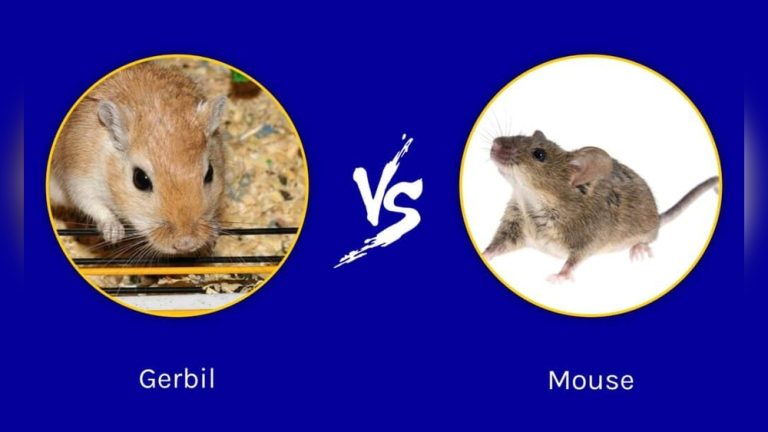
Gerbils are social and active during the day. Hamsters are solitary and mostly nocturnal. Gerbils have long tails, while hamsters have short, stubby tails. Both require different habitats and care.
Which Pet Is Easier To Care For: Gerbil Or Guinea Pig?
Guinea pigs are easier to care for due to their docile nature. Gerbils are more active and may require more interaction and space.
Do Guinea Pigs Get Along With Gerbils Or Hamsters?
Guinea pigs should not be housed with gerbils or hamsters. They have different social needs and may fight or stress each other out.
What Do Hamsters Eat Compared To Gerbils?
Hamsters eat a mix of seeds, grains, and fruits. Gerbils prefer seeds, grains, and occasional vegetables. Both need fresh water and balanced diets.
Conclusion
Choosing between a gerbil, hamster, or guinea pig depends on your lifestyle. Each pet has unique needs and personalities. Gerbils are active and curious. Hamsters are small and independent. Guinea pigs are social and gentle. Consider space, time, and interaction level.
Research each option to find the best fit. A well-chosen pet brings joy and companionship. Make an informed decision for a happy pet experience.