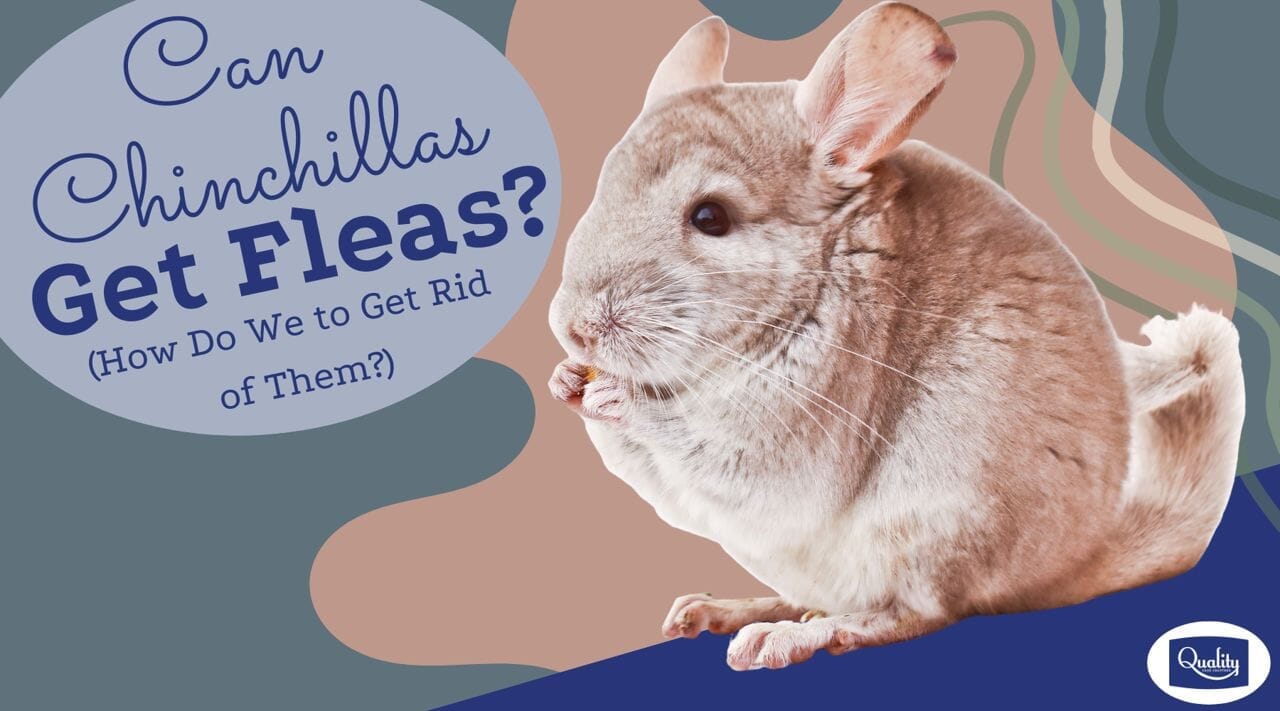
Do Chinchillas Have Fleas? Essential Facts You Need to Know
No, chinchillas do not usually have fleas. Their dense fur makes it difficult for fleas to thrive.
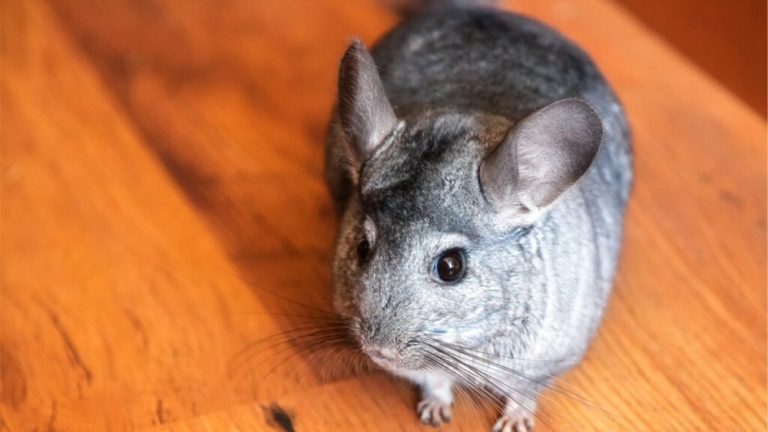
Chinchillas are unique pets. Their thick fur is one of their most striking features. This fur not only makes them adorable but also serves a practical purpose. It is so dense that it becomes almost impossible for parasites like fleas to live on them.
Unlike other pets, chinchillas have different care requirements. Understanding these differences helps ensure their health and happiness. In this blog, we will explore why chinchillas are unlikely to have fleas. We will also discuss how to keep them clean and comfortable. Let’s dive in and learn more about these fascinating creatures.
Introduction To Chinchillas
Chinchillas are fascinating creatures. These small, furry animals are popular pets due to their soft fur and playful nature. But, do chinchillas have fleas? Before answering that, let’s understand more about these unique animals.
Origin And Habitat
Chinchillas come from the Andes mountains in South America. They live in rocky, arid regions at high altitudes. Their thick fur helps them survive cold temperatures. In the wild, they live in burrows or crevices to stay safe from predators.
Common Behaviors
Chinchillas are active and curious. They enjoy exploring their surroundings. They are also nocturnal, meaning they are most active at night. These animals love to jump and can leap up to six feet. Chinchillas are social and prefer living in pairs or small groups.

Credit: qualitycage.com
Flea Infestation In Pets
Fleas are tiny parasites that can cause significant discomfort to pets. These pests feed on the blood of animals, leading to itching, irritation, and potential infections. Understanding flea infestations is crucial for pet owners to keep their pets healthy and comfortable.
What Are Fleas?
Fleas are small, wingless insects that live off the blood of mammals and birds. Their bodies are flattened, making it easy for them to navigate through their host’s fur. Fleas can jump long distances, which helps them move from one host to another.
Here are some quick facts about fleas:
- Fleas are about 1/8 inch long.
- They are usually dark brown or reddish-brown.
- Fleas have strong hind legs for jumping.
- They can lay up to 50 eggs per day.
Common Hosts
Fleas are not picky and can infest a variety of hosts. While common in dogs and cats, they can also affect other animals.
Here is a list of common hosts for fleas:
- Dogs: One of the most common hosts for fleas. Dog fleas can cause severe itching and skin problems.
- Cats: Fleas on cats can lead to flea allergy dermatitis, a painful condition.
- Rabbits: These small pets can also suffer from flea infestations, leading to discomfort.
- Rodents: Mice, rats, and other rodents can carry fleas, which can then spread to pets and humans.
- Birds: Some bird species can also be hosts to fleas, causing feather damage and irritation.
Understanding the common hosts of fleas can help in preventing and managing infestations. Regular checks and proper hygiene can go a long way in keeping these pests at bay.
Chinchillas And Fleas
Chinchillas, with their dense fur, are beloved pets. Many wonder if these fluffy creatures are susceptible to fleas. Understanding this can help in keeping your chinchilla healthy and comfortable.
Susceptibility To Fleas
Chinchillas are less susceptible to fleas compared to other pets. Their thick fur makes it difficult for fleas to thrive. Fleas prefer animals with less dense fur. But, chinchillas can still get fleas under certain conditions.
Signs Of Flea Infestation
It’s crucial to watch for signs of flea infestation in chinchillas. Here are some common indicators:
- Excessive scratching or grooming
- Red or inflamed skin
- Visible fleas or flea dirt in the fur
- Restlessness or discomfort
If you notice these signs, inspect your chinchilla’s fur carefully. Use a flea comb to check for fleas or flea dirt. Early detection is key to effective treatment.

Credit: qualitycage.com
Preventing Fleas In Chinchillas
Preventing fleas in chinchillas is crucial for their health and well-being. Fleas can cause discomfort and lead to more severe health issues. By taking some simple steps, you can keep your chinchilla free from these pests.
Maintaining Clean Environments
Keep your chinchilla’s cage clean to prevent fleas. Remove waste and old bedding daily. Use a mild disinfectant to clean the cage weekly. Ensure the cage is dry before placing your chinchilla back inside. Fleas thrive in dirty, damp environments.
Also, keep the area around the cage clean. Vacuum floors and carpets regularly. Wash any fabrics or toys your chinchilla interacts with. Clean surroundings reduce the chance of fleas.
Regular Health Checks
Inspect your chinchilla for fleas regularly. Check their fur and skin for signs of fleas. Fleas are tiny and can be hard to spot. Look for scratching or signs of discomfort.
If you notice any signs, consult a vet immediately. Regular vet visits can catch flea problems early. Your vet can provide advice on flea prevention products. Keep your chinchilla healthy and happy with regular checks.
Treating Fleas In Chinchillas
Treating fleas in chinchillas is a delicate process. Chinchillas have sensitive skin and unique needs. Using the wrong treatment can harm them. It’s essential to know safe methods for flea control.
Safe Flea Treatments
Veterinarians recommend specific flea treatments for chinchillas. These treatments are designed for their sensitive skin. Topical treatments are common. They are applied to the fur and skin. Always consult a vet before using any product. They can guide you on the best options.
Avoid using flea collars. They can be too strong for chinchillas. Oral medications are also risky. They can upset a chinchilla’s digestive system. Stick to vet-approved treatments only.
Natural Remedies
Natural remedies can be a safer option. Diatomaceous earth is one such remedy. It’s a fine powder that kills fleas. Sprinkle it lightly on the chinchilla’s fur. Be careful not to get it near the eyes or mouth.
Another option is a vinegar solution. Mix water and vinegar in equal parts. Use a spray bottle to apply it to the fur. This can help repel fleas. Again, avoid the eyes and mouth.
Regular cleaning of the cage is crucial. Wash all bedding in hot water. This kills any fleas or eggs present. Keep the living area clean to prevent re-infestation.
Other Parasites Affecting Chinchillas
Chinchillas are adorable, but they can face issues with parasites. Besides fleas, chinchillas may encounter other pests. Mites and lice are common concerns. These tiny parasites can cause discomfort and health problems for your furry friend. Understanding these threats is essential for proper care.
Mites
Mites are microscopic creatures. They burrow into the chinchilla’s skin. This causes itching and irritation. You might notice your chinchilla scratching often. Red, inflamed skin is also a sign. Mites can lead to infections if not treated.
There are different types of mites. Ear mites and fur mites are the most common. Each type requires specific treatment. Regular check-ups with a vet can help detect mites early.
Lice
Lice are another concern for chinchillas. These small insects live on the skin. They feed on blood and skin debris. Lice cause itching and discomfort. You might see your chinchilla scratching frequently. Lice are visible to the naked eye. You can spot them on the fur.
Lice infestations need prompt action. Special shampoos and treatments are available. Consult your vet for the best course of action.
Preventive Measures
Prevention is key to keeping your chinchilla healthy. Maintain a clean living environment. Regularly clean the cage and bedding. Avoid contact with wild animals. These can carry parasites.
Regular grooming helps too. Brush your chinchilla’s fur to check for any signs of pests. Monthly vet check-ups can catch problems early. Use safe, vet-approved products for any treatment.
With proper care, you can keep your chinchilla free from mites and lice. Your pet will stay happy and healthy.
General Chinchilla Care
Chinchillas are delightful pets. They are known for their soft, dense fur and playful nature. To keep your chinchilla happy and healthy, proper care is essential. This includes a balanced diet, regular grooming, and a clean living environment. Let’s explore some key aspects of general chinchilla care.
Proper Diet
Chinchillas need a high-fiber diet. Hay should be their main food source. Timothy hay is a popular choice. It helps maintain their digestive health. Fresh water should always be available. You can also give them chinchilla pellets. These pellets are specially formulated for their needs. Avoid feeding them fruits or vegetables. These can upset their stomachs.
Grooming Tips
Chinchillas have dense fur. They do not need frequent baths. Instead, they take dust baths. Provide a dust bath a few times a week. Use special chinchilla dust. It helps keep their fur clean and free of oils. Brush their fur gently. This prevents matting and removes loose fur. Check their ears and teeth regularly. Healthy teeth are vital. Trim their nails if they get too long.

Credit: www.reddit.com
Frequently Asked Questions
Do Chinchillas Get Fleas?
Chinchillas can get fleas, but it’s rare. Their dense fur makes it hard for fleas to thrive. Regular grooming and keeping their environment clean can help prevent flea infestations.
How To Check Chinchillas For Fleas?
Check your chinchilla’s fur by parting it and looking for signs of fleas. Watch for excessive scratching or biting, which can indicate a flea problem.
Can Fleas Harm Chinchillas?
Yes, fleas can cause discomfort and health issues for chinchillas. Fleas can lead to skin irritations, infections, and even transmit diseases. It’s important to treat flea infestations promptly.
How To Prevent Fleas On Chinchillas?
Keep your chinchilla’s habitat clean and regularly groom them. Avoid contact with other animals that might have fleas. Use flea prevention products recommended by a vet.
Conclusion
Chinchillas typically don’t get fleas due to their dense fur. Fleas find it hard to survive in their coats. Regular grooming and a clean habitat help prevent any issues. Always monitor your chinchilla for signs of discomfort. Quick action ensures your pet stays healthy.
Consult a vet if you notice unusual scratching or fur loss. Your pet’s well-being is important. Keep their environment clean and stress-free. This ensures a happy, flea-free chinchilla.