How Often Do You Bathe a Ferret: Essential Care Tips
Ferrets are fun, energetic pets. But how often do you bathe them?
The answer is not as often as you might think. Ferrets have unique grooming needs. Unlike dogs or cats, frequent bathing can harm their skin. Their skin produces oils that keep their coat healthy. Bathing too often strips these oils away.
It’s best to bathe a ferret only when necessary. This could be once a month or even less. Understanding their grooming needs is crucial. In this blog, we’ll explore the best practices. You’ll learn how to keep your ferret clean and happy. Let’s dive into the details!
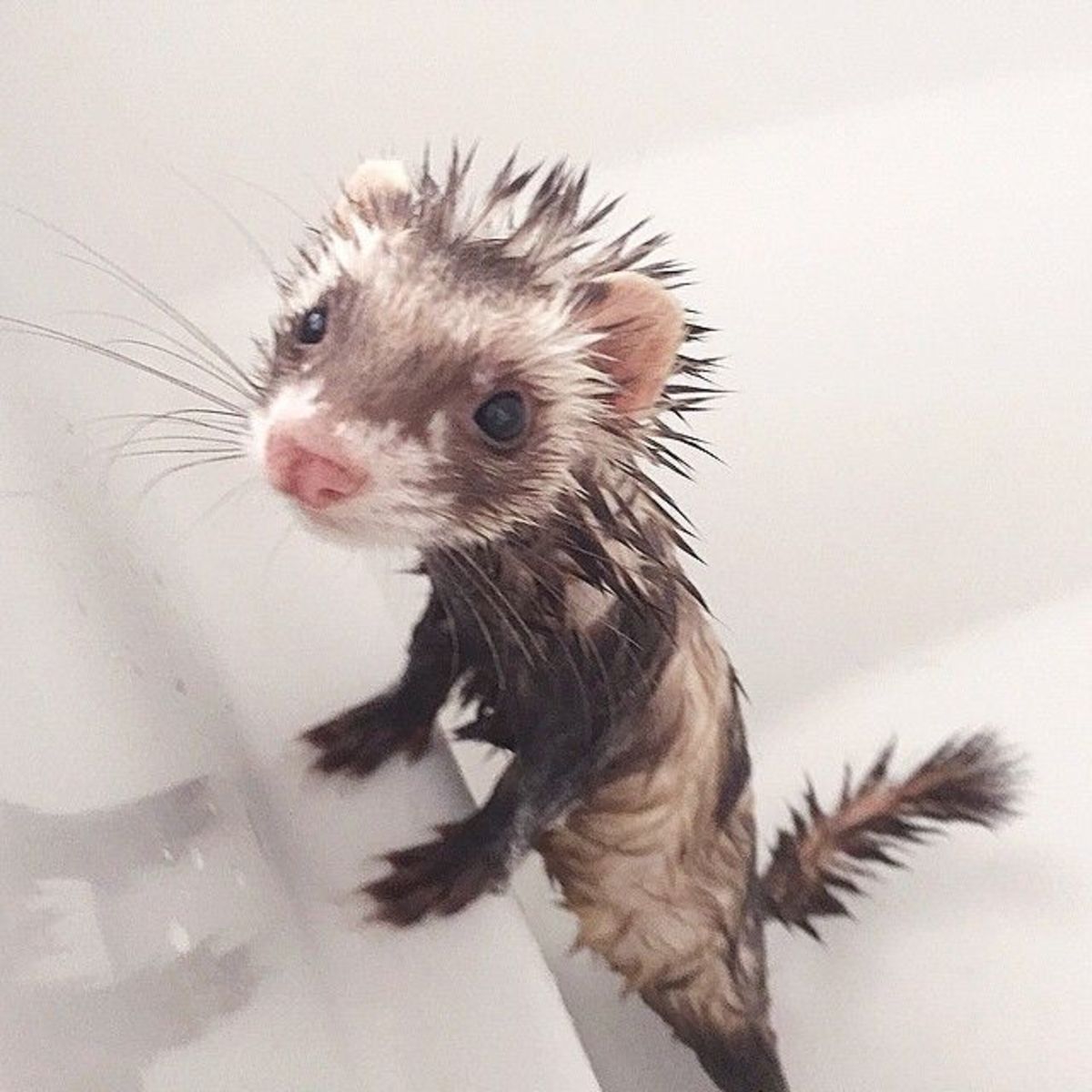
Credit: pethelpful.com
Ferret Grooming Basics
Ferret grooming is crucial for their health and happiness. Regular grooming ensures your ferret stays clean and comfortable. It also helps in checking for any health issues early. Let’s dive into the basics of ferret grooming.
Ferret Fur Care
Ferrets have a unique type of fur. It needs regular care to stay clean and healthy. Brush your ferret’s fur at least once a week. This helps remove loose hair and prevents matting. Use a soft brush to avoid hurting their skin. Keep an eye out for any bald spots or redness. These can be signs of skin issues.
Nail Trimming
Ferret nails grow quickly and need regular trimming. Long nails can cause discomfort and injuries. Trim your ferret’s nails every two to three weeks. Use a nail clipper designed for small animals. Be careful not to cut too close to the quick. The quick is the sensitive part of the nail. If you cut it, it can bleed and hurt your ferret. If you are unsure, ask a vet to show you how to trim nails safely.
Bathing Frequency
How often do you bathe a ferret? This question puzzles many ferret owners. Bathing your furry friend is essential, but overdoing it can harm their skin. Knowing the right frequency is key. Let’s dive into the details.
Seasonal Considerations
Seasons play a role in how often to bathe a ferret. In winter, ferrets produce more oils to stay warm. Bathing too often can strip these oils. Once a month or less is ideal. In summer, they might need more frequent baths. They sweat more and might get dirtier. Twice a month could be better.
Age Factors
Age matters too. Younger ferrets are more active and get dirty faster. They may need baths more often. Older ferrets are less active. They might need fewer baths. Always consider your ferret’s age and activity level. Adjust the bathing routine accordingly.
Choosing The Right Products
Choosing the right products for bathing your ferret is crucial. Ferrets have sensitive skin that can react to harsh chemicals. Using the wrong products can lead to irritation or dryness. It’s important to select shampoos and conditioners that are designed for ferrets.
Shampoos
Not all shampoos are safe for ferrets. Human shampoos and even some pet shampoos can be too harsh. Opt for a shampoo specifically formulated for ferrets. These shampoos are gentle and often contain natural ingredients. They help maintain your ferret’s skin and coat health. Avoid scented or medicated shampoos unless prescribed by a vet.
Conditioners
Conditioners can help keep your ferret’s fur soft and shiny. Like shampoos, choose a conditioner made for ferrets. Ferret conditioners are designed to match their unique skin and fur needs. Apply the conditioner after shampooing and rinse thoroughly. This helps prevent any residue that could cause irritation.
Bathing Process
Ferrets need a bath once a month. Too much bathing can dry out their skin. Use ferret-friendly shampoo and warm water.
Bathing your ferret is an important part of its care routine. It helps to keep their coat clean and reduce odors. But how do you ensure the process is safe and comfortable for your furry friend? Follow these steps to make bath time a pleasant experience for both of you.Preparation Steps
Before starting, gather all necessary supplies. You will need a ferret-friendly shampoo, a small tub or sink, and a towel. Make sure the room is warm to prevent your ferret from getting cold. Fill the tub or sink with lukewarm water, about 3 inches deep. Test the water temperature with your wrist. It should be neither too hot nor too cold. Place a non-slip mat at the bottom of the tub. This will help your ferret feel secure and prevent slipping. Have treats ready to reward your ferret after the bath.Bathing Techniques
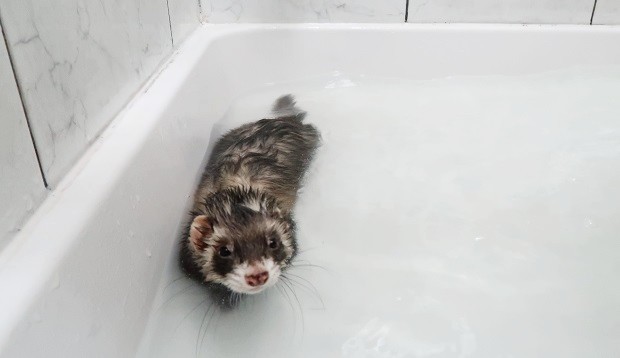
Gently place your ferret in the water. Talk to it in a calm voice to keep it relaxed. Use a cup to pour water over its body, avoiding the face. Apply a small amount of ferret shampoo and lather it gently. Be careful around sensitive areas. Rinse the shampoo thoroughly. Make sure there are no residues left as they can irritate the skin. Lift your ferret out of the water and wrap it in a towel. Gently pat it dry, avoiding vigorous rubbing. Once dry, let your ferret groom itself. This helps it feel comfortable and removes any remaining moisture. Give your ferret a treat to associate bath time with positive experiences. Regular bathing, about once a month, keeps your ferret clean without stripping its skin of natural oils. Following these steps ensures a stress-free bath for your pet. “`Post-bath Care
After giving your ferret a bath, proper post-bath care is crucial. This ensures your pet stays comfortable and healthy. Let’s explore the essential steps you need to follow.
Drying Your Ferret
Drying your ferret properly is vital. A wet ferret can get cold quickly. Use a soft towel to gently pat your ferret dry. Avoid rubbing vigorously as this can irritate their skin.
Once you’ve removed most of the water, you can use a hairdryer on a low, warm setting. Keep the dryer moving to avoid overheating any part of their skin. Hold the dryer at a safe distance.
Ensure your ferret is completely dry before allowing them to roam freely. This prevents them from catching a chill. You might need to dry their underbelly and tail more thoroughly as these areas retain moisture.
Brushing Tips
Brushing your ferret after a bath helps remove loose fur and prevents matting. Use a soft-bristle brush or a comb designed for small animals. Gently brush in the direction of hair growth.
For longer-haired ferrets, you may need to spend extra time brushing. This helps in untangling any knots. Be gentle around their sensitive areas like the face and belly.
Brushing is also an excellent opportunity to check for any skin issues or parasites. If you spot anything unusual, consult your vet promptly.
Regular brushing after baths keeps your ferret’s coat healthy and shiny. It also reduces shedding and keeps your home cleaner.

Credit: www.ferret-world.com
Common Mistakes
Bathing a ferret is essential, but many owners make common mistakes. These mistakes can harm your pet’s health. Let’s discuss some of these common errors.
Over-bathing
Many owners think frequent baths keep their ferrets clean. This is a mistake. Over-bathing can strip the skin of natural oils. This leads to dryness and irritation.
Ferrets have a natural musky smell. Bathing too often won’t remove this odor. Instead, it makes it worse. Their skin produces more oils to compensate.
How often should you bathe your ferret? Once a month is enough. In most cases, even less frequent bathing is better. Always monitor your ferret’s skin condition.
Using Human Products
Another common mistake is using human products on ferrets. Human shampoos and soaps are too harsh. They can cause allergic reactions and skin problems.
Always choose pet-specific products. Look for shampoos made for ferrets. These are designed to be gentle on their skin. They maintain the natural pH balance.
Using the right products is crucial. It helps keep your ferret’s skin healthy. It also prevents unnecessary discomfort and health issues.
Alternative Cleaning Methods
Ferrets require regular cleaning, but frequent bathing can harm their skin. Bathing too often strips their natural oils. Luckily, there are alternative cleaning methods that keep your ferret fresh and healthy. These methods are gentle and effective, ensuring your ferret stays clean without overbathing.
Dry Shampoo
Dry shampoo is a great option for cleaning ferrets. It absorbs dirt and oils without water. Apply the dry shampoo to your ferret’s fur. Gently massage it in, then brush out the excess. Your ferret will smell clean and feel fresh.
Wipes
Pet wipes are another excellent cleaning method. They are convenient and easy to use. Choose wipes that are safe for ferrets. Wipe your ferret’s fur gently. Pay attention to areas that get dirtier. Wipes help remove dirt and odors between baths.
Signs Of Health Issues
Keeping a close eye on your ferret’s health is essential. Bathing frequency impacts their well-being. Pay attention to signs of health issues. Here are some key indicators:
Skin Problems
Ferrets can suffer from various skin problems. Watch out for dry, flaky skin. Redness or swelling is a concern. It could be due to allergies or infections. Frequent scratching also indicates skin issues. Check for bald spots or sores.
| Skin Problem | Possible Cause |
|---|---|
| Dry, Flaky Skin | Allergies, Poor Diet |
| Redness, Swelling | Infections, Parasites |
| Bald Spots, Sores | Excessive Scratching |
Behavioral Changes
Notice any behavioral changes in your ferret. It could be a sign of health problems. Lethargy or reduced activity is concerning. If your ferret hides more, check for illness. Increased aggression could indicate pain. Changes in eating habits are also important.
- Lethargy: Check for signs of illness.
- Hiding: Could indicate discomfort.
- Aggression: Pain or stress may be the cause.
- Eating Habits: Loss of appetite is concerning.
Monitor these signs regularly. Early detection helps keep your ferret healthy and happy.
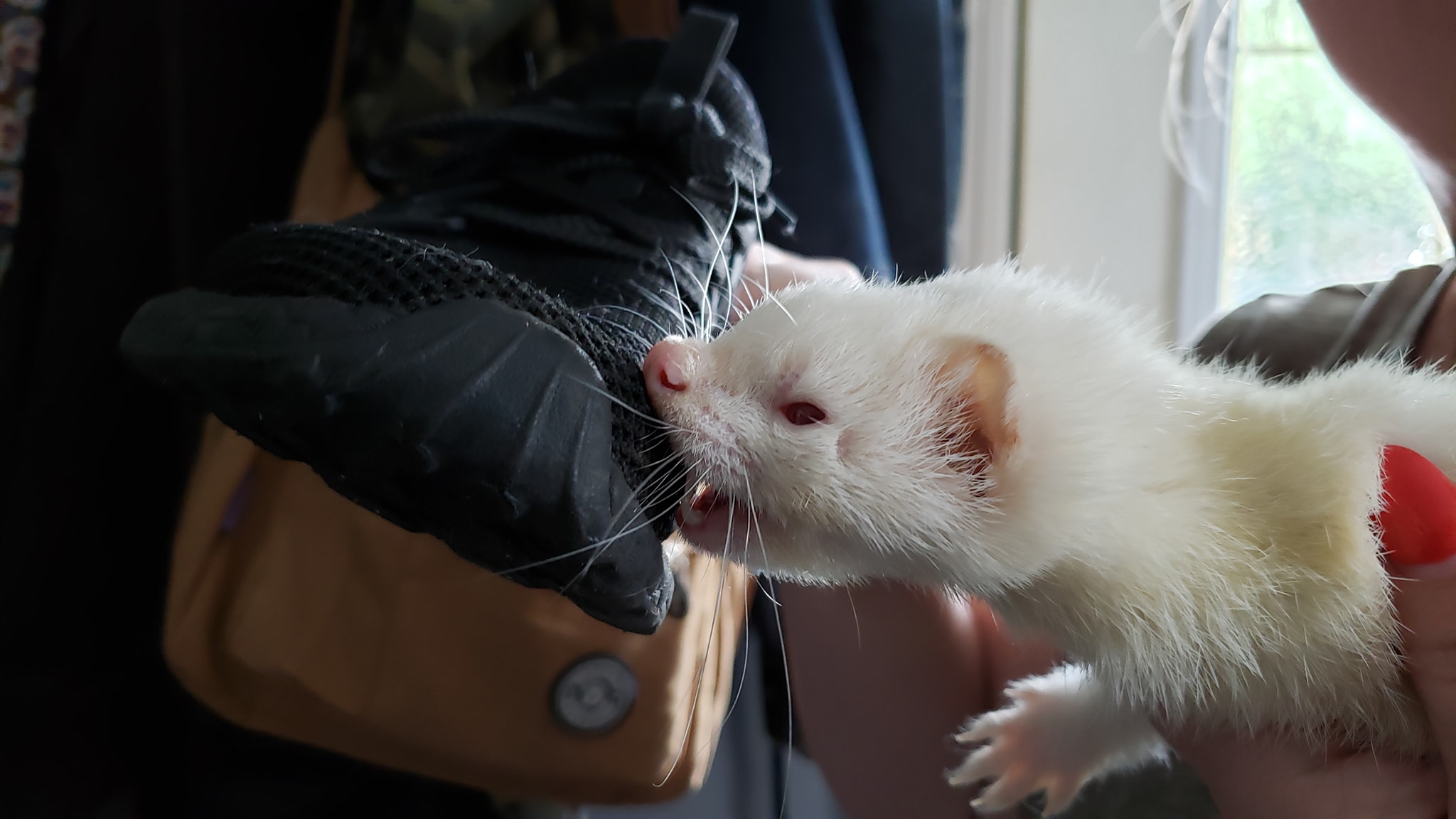
Credit: www.facebook.com
Frequently Asked Questions
How Often Should I Bathe My Ferret?
You should bathe your ferret once a month. Frequent bathing can dry out their skin. Ferrets groom themselves and stay clean naturally.
Can I Use Human Shampoo On My Ferret?
No, you should not use human shampoo. Use a shampoo specifically designed for ferrets. Human shampoos can irritate their skin.
What If My Ferret Hates Baths?
If your ferret hates baths, try making it a positive experience. Use treats and toys. Keep bath time short and gentle.
How Can I Keep My Ferret Clean Between Baths?
Wipe your ferret with a damp cloth between baths. Clean their bedding regularly. This helps maintain their cleanliness.
Conclusion
Bathing your ferret too often can harm its skin. Aim for once a month. Use ferret-safe shampoo to avoid irritation. Make bath time fun and stress-free. Always dry your ferret thoroughly after a bath. Watch for signs of discomfort or skin problems.
Regular grooming and cleaning are essential. Healthy ferrets are happy ferrets. Keep their environment clean and odor-free. This keeps your ferret comfortable and thriving.