Do Ferrets Hibernate: Uncovering the Truth About Ferret Sleep Patterns
No, ferrets do not hibernate. They remain active all year round.
Ferrets are fascinating creatures with unique behaviors that spark curiosity. Many people wonder if these playful animals hibernate like some other mammals. Unlike bears or groundhogs, ferrets stay awake and active throughout the year. Understanding their behavior can help provide better care for these pets.
In this blog post, we will explore the habits and needs of ferrets during different seasons. This will help you ensure they stay healthy and happy in every climate. Let’s dive into the world of ferrets and discover their seasonal behaviors.
Introduction To Ferret Sleep
Ferrets are known for their playful nature and energetic behaviors. But do they hibernate? Understanding ferret sleep patterns can help answer this question. Ferrets have unique sleep habits that might surprise many pet owners.
Common Sleep Habits
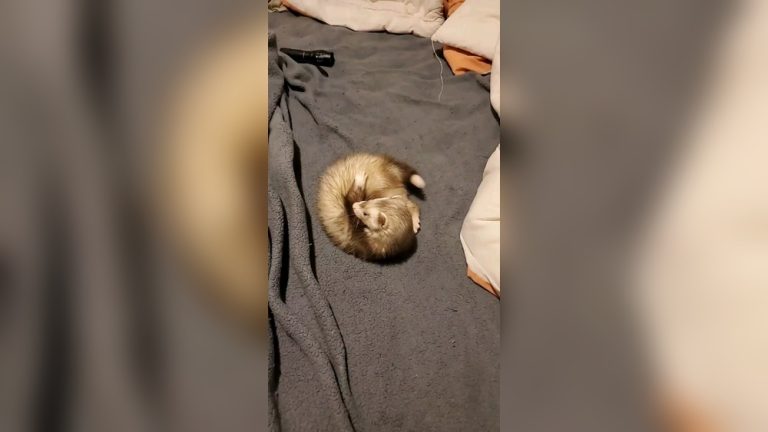
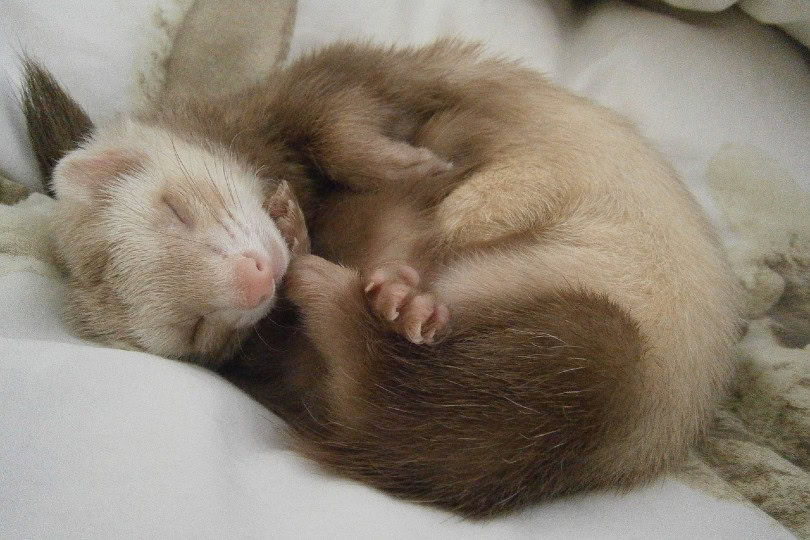
Ferrets are crepuscular animals. This means they are most active during dawn and dusk. During the day, ferrets often find cozy spots to rest. They can sleep in hammocks, blankets, or even in your lap.
Ferrets also enjoy sleeping in enclosed spaces. Tunnels, boxes, and dens are some favorite spots. They feel secure and comfortable in these places.
Daily Sleep Duration
Ferrets sleep a lot. On average, they sleep between 14 to 18 hours a day. This long sleep duration is essential for their health and energy levels.
Young ferrets, or kits, may sleep even more. As they grow, their sleep patterns become more consistent. Adult ferrets tend to have a regular sleep schedule.
| Ferret Age | Average Sleep Duration |
|---|---|
| Kit (0-6 months) | 18-20 hours |
| Adult (6 months – 5 years) | 14-18 hours |
| Senior (5+ years) | 16-20 hours |
It’s clear that ferrets do not hibernate. They have distinct sleep patterns and high energy bursts. Understanding their sleep habits ensures they remain happy and healthy.
Credit: nationalzoo.si.edu
Hibernation Vs. Torpor
Understanding the difference between hibernation and torpor is essential. Many people confuse the two. This misunderstanding often leads to incorrect assumptions about animal behavior. Ferrets, in particular, can be a subject of confusion. Do they hibernate, or do they enter torpor?
Definition Of Hibernation
Hibernation is a long-term state of inactivity. Animals enter this state to survive cold winters. During hibernation, an animal’s body temperature drops. Their heart rate and metabolism slow down. This helps them conserve energy.
Hibernating animals eat a lot before winter. They build up fat reserves. These reserves sustain them through the hibernation period.
What Is Torpor?
Torpor is a short-term state of reduced activity. It’s similar to hibernation but lasts for shorter periods. Animals enter torpor to conserve energy during tough times. This can be during cold nights or food shortages.
During torpor, an animal’s body temperature and heart rate drop. But not as much as during hibernation. They can wake up easily if conditions improve. Torpor can last for a few hours or days.
Ferrets do not hibernate. They can enter torpor in response to cold or lack of food. Understanding this helps in providing proper care for your pet.
Do Ferrets Hibernate?
Do ferrets hibernate? This question often puzzles new ferret owners. Ferrets are known for their playful and curious nature. Understanding their behavior helps in providing better care. Let’s explore if ferrets hibernate during colder months.
Scientific Evidence
Ferrets do not hibernate. Unlike some animals, they stay active year-round. Scientists have studied ferret behavior in various climates. They found no evidence of hibernation. Ferrets belong to the weasel family, which also stays active in winter.
Ferrets have a high metabolism. Hibernation requires a slow metabolism, which ferrets lack. They continue to eat and play even in cold weather. This trait sets them apart from true hibernators like bears or hedgehogs.
Expert Opinions
Experts agree that ferrets do not hibernate. Veterinarians and ferret specialists confirm this. They observe ferrets throughout the year. They note that ferrets may sleep more in winter, but this is not hibernation.
Experts advise maintaining a warm environment for ferrets. Cold weather can affect their health. Proper care ensures they stay active and healthy. Providing a cozy bed and regular playtime is essential.
Ferret owners should monitor their pets’ behavior. Sudden lethargy or excessive sleep could signal health issues. Consulting a vet helps in understanding any unusual behavior.
Ferret Sleep Cycles
Ferrets are known for their playful and curious nature. Yet, they sleep a lot. Ferrets can sleep up to 18 hours a day. Understanding their sleep cycles is key to their health. Ferret sleep cycles include two main stages: REM sleep and Non-REM sleep.
Rem Sleep
REM stands for Rapid Eye Movement. In this stage, ferrets dream. Their eyes move quickly under their eyelids. You may see twitching paws or whiskers. Their breathing may become irregular. REM sleep helps in brain development. It also aids memory and learning.
Non-rem Sleep
Non-REM sleep is deeper and more restful. Ferrets go through several stages in Non-REM sleep. They start with light sleep. Their muscles relax. Then they move into deeper sleep stages. Their body repairs itself during this time. Growth and immune functions improve. Non-REM sleep is essential for their overall health.
Factors Affecting Ferret Sleep
Ferrets are lively creatures, but they need plenty of sleep. Several factors influence their sleep patterns. Understanding these factors helps ensure your ferret gets the rest it needs.
Environmental Influences
Ferrets are sensitive to their surroundings. Temperature plays a significant role. They sleep better in a cool, comfortable environment. Keep their cage away from direct sunlight and heat sources.
Noise levels also affect their sleep. Ferrets prefer quiet places for rest. Loud noises can disturb their sleep cycles. Try to place their cage in a calm area of your home.
Light exposure is another crucial factor. Too much light can disrupt their sleep. Cover their cage partially with a blanket to create a dark, cozy atmosphere.
Diet And Nutrition
What a ferret eats impacts its sleep. A well-balanced diet promotes better sleep. Ensure their diet includes high-quality proteins and fats. Ferrets need a diet rich in animal protein.
Avoid giving them sugary foods. Sugar can make them hyper and affect their sleep. Also, provide fresh water at all times. Dehydration can disturb their sleep patterns.
| Food Type | Impact on Sleep |
|---|---|
| High-Quality Proteins | Improves sleep quality |
| Sugary Foods | Disrupts sleep |
| Fresh Water | Essential for sleep |
Credit: nationalzoo.si.edu
Common Myths About Ferret Sleep
Ferrets are curious creatures with unique sleep patterns. Many people believe they hibernate. This is a common misconception. Let’s explore and debunk some myths.
Misconceptions About Hibernation
Many assume ferrets hibernate like bears. This isn’t true. Ferrets do not hibernate. They stay active during all seasons.
A ferret might sleep up to 18 hours a day. This can be confused with hibernation. But their sleep is simply deep and frequent.
Ferrets might seem sluggish in winter. But this is not hibernation. They are just less active due to colder weather.
Clarifying Torpor Myths
Torpor is another misunderstood concept. It is a state of reduced activity. Ferrets do not enter torpor like some animals.
Ferrets can have short periods of deep sleep. But this is not the same as torpor. They wake up and become active again quickly.
Ferrets maintain body temperature even during sleep. They do not lower it as animals in torpor do.
Here is a quick comparison to clarify:
| Ferrets | Animals in Torpor |
|---|---|
| Stay active year-round | Reduce activity significantly |
| Maintain body temperature | Lower body temperature |
| Sleep deeply but briefly | Stay inactive for long periods |
Understanding these differences helps in better caring for ferrets. They need warmth and regular activity, not hibernation or torpor conditions.
Ensuring Healthy Sleep For Ferrets
Ferrets do not hibernate. Yet, they need good sleep to stay healthy. Ensuring a comfortable environment is key. A regular sleep schedule helps too. These steps ensure your ferret gets the rest it needs.
Creating A Comfortable Environment
A cozy sleeping area helps ferrets relax. Use soft bedding. Make sure the area is quiet and dim. Ferrets prefer dark spaces. A small sleeping box or hammock works well. These provide a sense of security.
Keep the sleeping area clean. Wash the bedding often. This prevents odors and keeps your ferret happy. A clean space also reduces stress.
Regular Sleep Schedule
Ferrets need a consistent sleep schedule. They usually sleep 14 to 18 hours a day. Ensure they have a quiet time to rest. Avoid disturbing them during sleep hours.
Set a routine. Feed them at the same times daily. Play with them at regular intervals. This helps them know when it’s time to sleep.
A regular routine keeps your ferret healthy. It also reduces stress. Happy, well-rested ferrets are more playful and affectionate.
Signs Of Sleep Issues In Ferrets
Ferrets are known for their playful and curious nature. But, like all pets, they can experience sleep issues. Recognizing the signs of sleep problems in ferrets is crucial for their overall health. Below, we explore the key indicators and steps you can take to ensure your ferret is getting the rest it needs.
Identifying Sleep Disorders
Ferrets usually sleep between 14 to 18 hours a day. If your ferret shows signs of sleep disorders, their behavior will change. Here are some signs to look out for:
- Restlessness: Your ferret moves around frequently and seems unable to settle down.
- Excessive Sleeping: If your ferret sleeps more than usual, it might indicate a problem.
- Difficulty Waking: A ferret that is hard to wake might be experiencing sleep issues.
- Changes in Activity Level: Reduced playfulness and lethargy are red flags.
When To See A Vet
If you notice any of these signs, it might be time to consult a vet:
- Persistent lethargy and lack of interest in play.
- Unusual weight loss or gain.
- Visible signs of pain or discomfort.
- Any changes in eating habits.
Early detection of sleep issues can prevent more serious health problems. Regular check-ups ensure your ferret remains healthy and happy.
Credit: exoticdirect.co.uk
Frequently Asked Questions
Do Ferrets Hibernate In Winter?
No, ferrets do not hibernate in winter. They are active year-round and need regular care.
What Should I Do If My Ferret Is Lethargic?
If your ferret is lethargic, consult a vet. Lethargy can indicate health issues.
How Do Ferrets Stay Warm?
Ferrets stay warm with proper shelter and bedding. Ensure their living area is cozy.
Can Ferrets Live Outdoors In Winter?
It’s not recommended for ferrets to live outdoors in winter. They need a stable, warm environment.
Conclusion
Ferrets do not hibernate, but they love cozy, warm places. They may sleep more in winter, but that’s normal. Providing a comfortable environment helps keep them happy and healthy. Regular check-ups ensure they stay in good health. Understanding their needs builds a strong bond with your pet.
Keep them active with toys and playtime. Your ferret will thrive with proper care and attention. Enjoy the playful energy they bring to your home.