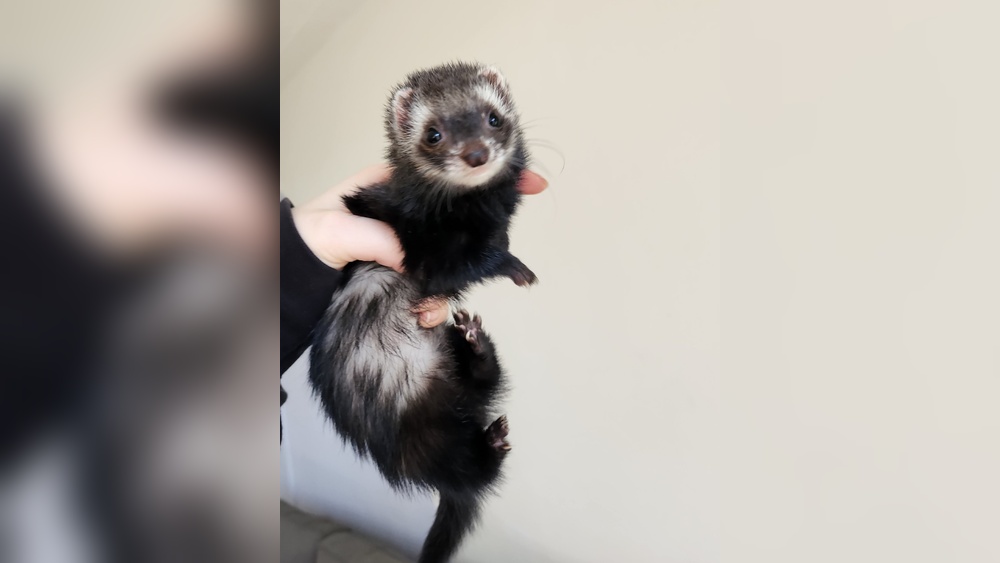
Do Ferrets Shed: Essential Facts Every Owner Must Know
Are you wondering if your playful ferret is leaving tiny fur trails everywhere? If you’ve noticed small tufts of hair around your home, you’re probably asking, “Do ferrets shed?” Understanding your ferret’s shedding habits can help you keep your space clean and your pet comfortable.
You’ll discover the truth about ferret shedding, why it happens, and simple ways to manage it. Keep reading to find out how to make life easier for both you and your furry friend.

Credit: holisticferret.com
Ferret Shedding Basics
Ferret shedding is a natural process. It is how ferrets lose old fur and grow new. Understanding ferret shedding basics helps you care for your pet better. It also keeps your home cleaner and your ferret comfortable.
Shedding can vary in amount and timing. Knowing what causes shedding and its cycles makes it easier to manage. Seasonal changes also play a big role in how much your ferret sheds.
What Causes Shedding
Shedding happens because ferrets grow new fur regularly. Old fur must fall out to make space for new hair. This process helps ferrets keep their coats healthy.
Other causes include changes in light and temperature. Stress and diet also affect shedding. Healthy ferrets shed less and have shinier coats.
Shedding Cycles
Ferrets shed in cycles. Usually, they shed twice a year. These cycles help ferrets adjust to weather changes.
Each cycle lasts several weeks. During this time, ferrets lose a lot of fur. Regular brushing helps remove loose hair and reduces shedding mess.
Seasonal Changes
Seasons affect shedding strongly. In spring, ferrets lose thick winter coats. This prepares them for warmer weather.
In fall, fur grows back to keep ferrets warm. Shedding is lighter in summer and winter. Seasonal light changes signal when shedding starts.
Shedding Patterns In Ferrets
Ferrets shed their fur regularly. This process helps them stay healthy and comfortable. Understanding their shedding patterns can help you care for your pet better.
Shedding varies by many factors. Knowing these differences helps manage your ferret’s coat and skin well.
Differences Between Coat Types
Ferrets have different coat types. Some have thick, dense fur, while others have thinner coats. Thick coats shed more noticeably. Thin coats shed less but still regularly. Coat color does not affect shedding much.
Age And Shedding
Young ferrets shed less than adults. As ferrets grow, shedding becomes more frequent. Older ferrets may shed less due to slower hair growth. Shedding usually peaks during spring and fall seasons.
Gender And Shedding
Male and female ferrets shed differently. Males often have thicker coats, leading to more shedding. Females may shed less but still go through regular cycles. Hormones play a role in these shedding patterns.
Managing Ferret Shedding
Ferrets shed their fur throughout the year, but shedding increases during seasonal changes. Managing ferret shedding helps keep your home clean. It also keeps your ferret healthy and comfortable. Regular care reduces loose fur and skin problems.
Using simple methods can control shedding. These methods include grooming, bathing, and diet. Each step supports your ferret’s coat and skin health.
Grooming Techniques
Brush your ferret’s coat two to three times a week. Use a soft-bristle brush or grooming mitt. This removes loose fur and dirt. Grooming also improves blood flow to the skin. Be gentle to avoid hurting your ferret. Check for skin issues during grooming sessions.
Bathing Tips
Bathe your ferret only when necessary. Too much bathing dries out their skin. Use a mild, ferret-safe shampoo. Rinse thoroughly to remove all soap. Dry your ferret well with a towel. Avoid cold water and drafts after the bath.
Diet And Nutrition
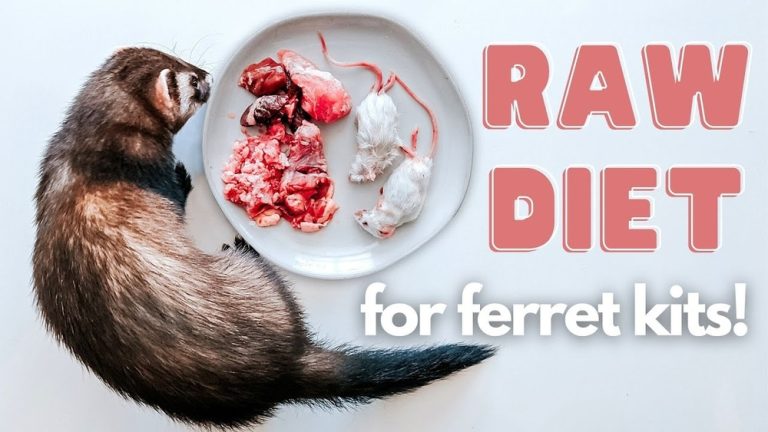
Feed your ferret a balanced diet rich in protein. Healthy fats support shiny fur and skin. Include high-quality ferret food or raw meat. Avoid sugary treats and fillers. Fresh water should always be available. Good nutrition reduces excessive shedding and skin problems.
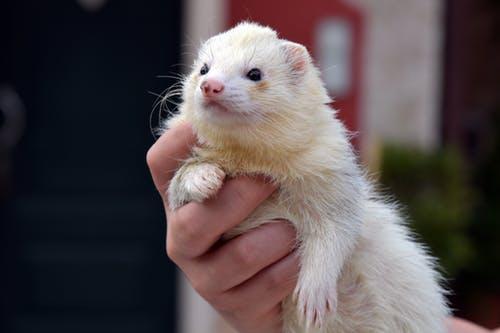
Credit: www.ferret-world.com
Health Issues Related To Shedding
Shedding is a natural process for ferrets. It helps them get rid of old fur and grow new hair. But sometimes, shedding can signal health problems. Paying attention to shedding patterns helps keep your ferret healthy.
Excessive Shedding Causes
Excessive shedding happens when ferrets lose more fur than normal. Stress, poor diet, or changes in environment can cause this. Illness or hormonal imbalances may also increase shedding. Watch for bald patches or rough fur during these times.
Skin Conditions
Skin problems often show through shedding changes. Mange, fungal infections, or allergies cause itching and hair loss. These conditions make the skin red and flaky. Ferrets may scratch a lot, leading to wounds or scabs. Early treatment helps prevent serious issues.
When To See A Vet
Visit a vet if shedding is heavy or uneven. Bald spots, sores, or constant scratching need medical attention. A vet can find hidden infections or parasites. Quick action improves your ferret’s comfort and health.
Shedding And Allergies
Ferrets shed fur just like other pets. Their shedding can cause allergies in some people. Understanding how ferret shedding affects allergies helps owners manage their pets better.
Ferret Allergens
Ferret allergens come from fur, skin flakes, and saliva. These tiny particles float in the air and land on surfaces. People sensitive to allergens may sneeze or have itchy eyes.
Ferrets shed more during spring and fall. This increases allergen levels around the home. Knowing when shedding happens helps prepare for allergy symptoms.
Reducing Allergic Reactions
Keep ferrets out of bedrooms and living rooms. Use air purifiers to reduce airborne allergens. Regularly wash your hands after touching ferrets.
Brushing your ferret gently removes loose fur. This lowers the amount of shedding fur in the house. Choose brushes made for small animals.
Cleaning Tips For Owners
Vacuum floors and furniture often to remove fur and dust. Use a vacuum with a HEPA filter for best results. Wash ferret bedding weekly in hot water.
Wipe down cages and play areas with mild soap. Clean surfaces reduce allergen buildup. These habits help keep your home fresh and safe.
Credit: www.ferret-world.com
Frequently Asked Questions
Do Ferrets Shed Their Fur Regularly?
Yes, ferrets shed their fur twice a year during seasonal changes. This shedding helps them adapt to temperature variations and stay comfortable.
How Long Does Ferret Shedding Last?
Ferret shedding typically lasts about 2 to 3 weeks. During this time, you may notice more loose fur around your home.
Can Ferret Shedding Cause Allergies?
Ferret shedding can trigger allergies in sensitive individuals. Regular grooming and cleaning can help reduce allergen exposure effectively.
What Is The Best Way To Manage Ferret Shedding?
Brushing your ferret regularly helps remove loose fur and reduces shedding. A healthy diet also supports good coat condition and less fur loss.
Conclusion
Ferrets do shed, but not as much as many other pets. Their fur changes with seasons, becoming thicker in winter. Regular brushing helps keep shedding under control. Clean homes reduce loose hair and allergens. Knowing about ferret shedding makes pet care easier.
Enjoy your ferret without worrying too much about fur. Simple steps keep your home neat and your ferret happy. Shedding is natural and part of a ferret’s life. Stay patient and consistent with grooming routines. Your ferret will feel better, and so will you.